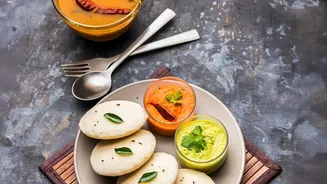




The simple joy of a plate of soft, steaming idlis served with a bowl of aromatic sambar is a cornerstone of South Indian cuisine. But beyond its comforting taste, this pairing is a masterclass in food science and nutritional wisdom.
The Magic of Fermentation
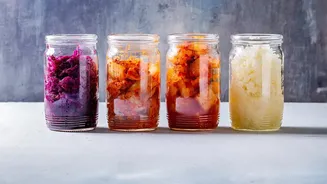
The secret to the idli's
characteristic light, fluffy texture lies in fermentation. When the batter of ground rice and urad dal (black gram) is left to rest overnight, a host of naturally occurring microorganisms get to work. Lactic acid bacteria and wild yeasts, present on the grains themselves, begin to break down the starches and proteins. This process produces carbon dioxide gas, which gets trapped in the batter, causing it to rise and creating the spongy structure we love. But it does more than just leaven; fermentation also makes the idlis easier to digest and increases the bioavailability of nutrients like B vitamins. It also breaks down anti-nutrients like phytic acid, which can interfere with the body's ability to absorb minerals.
Sambar: The Nutrient-Rich Companion
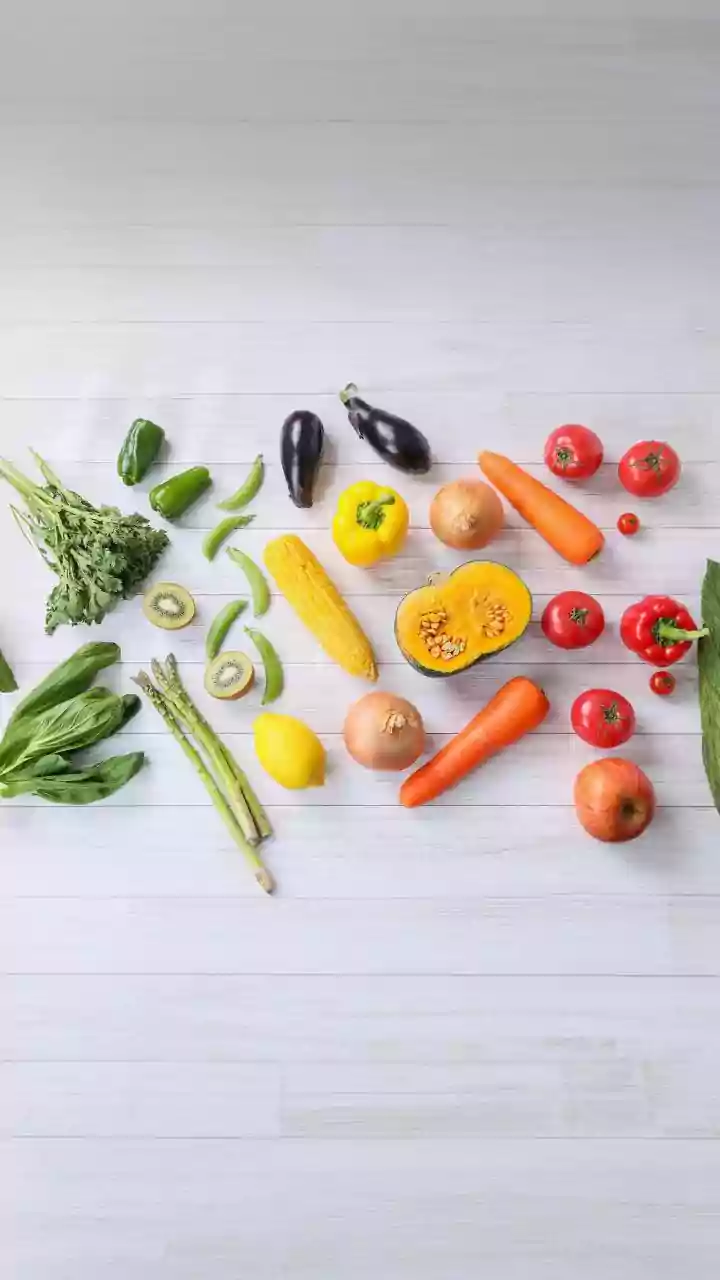
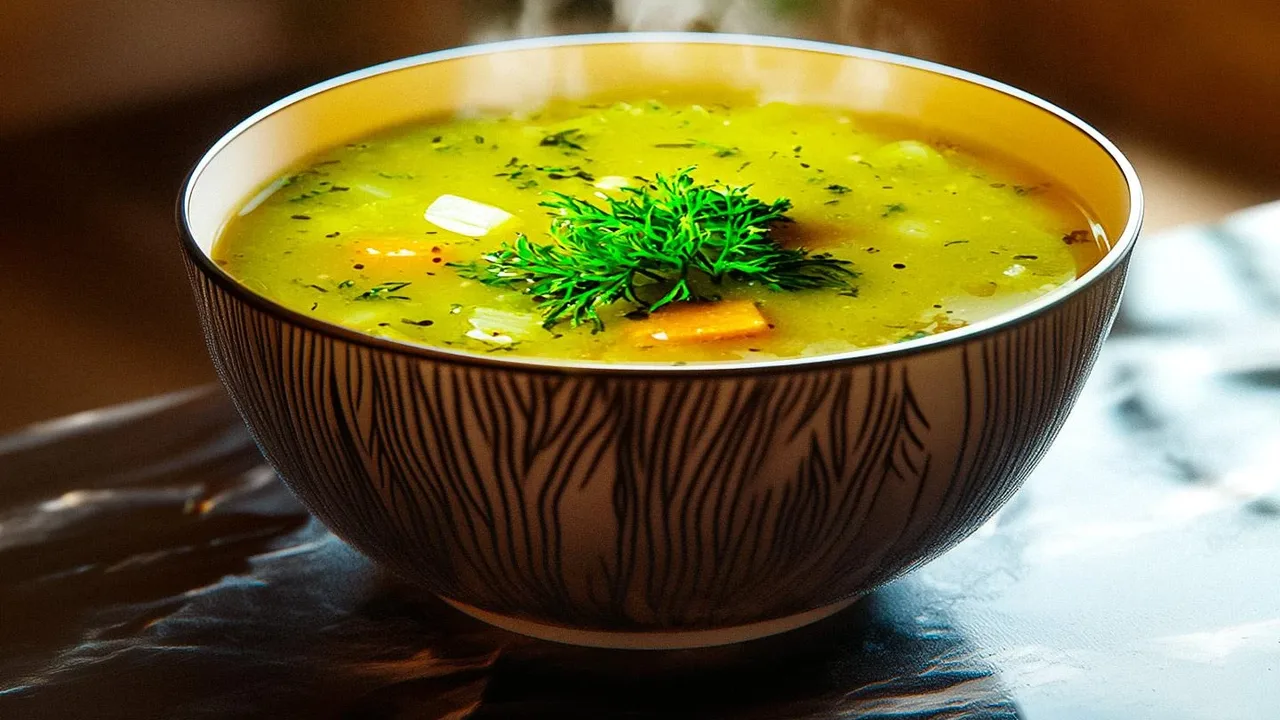
Sambar is far more than just a dip; it's a complex and nutritious stew in its own right. The base is typically toor dal (pigeon peas), a great source of plant-based protein and dietary fibre. To this, a medley of vegetables is added—often including drumsticks, pumpkin, carrots, tomatoes, and onions. This vegetable mix contributes a wide array of essential vitamins, minerals, and antioxidants to the meal, such as vitamins A and C, potassium, and folate. The distinct tangy and spicy flavour comes from tamarind and a blend of aromatic spices like turmeric, cumin, and curry leaves, which are also known for their digestive and anti-inflammatory properties.
A Lesson in Protein Complementation
One of the most remarkable aspects of the idli-sambar combination is how it forms a 'complete protein'. Proteins are made of amino acids, nine of which are essential and must be obtained from food. Most plant-based foods are 'incomplete', meaning they are low in one or more of these essential amino acids. Grains like rice are typically low in the amino acid lysine, while legumes like lentils (dal) are low in methionine. When you eat them together, they perfectly compensate for each other's deficiencies. The rice in the idli provides the methionine that the dal lacks, and the urad dal in the idli and the toor dal in the sambar provide the lysine that the rice is missing. This makes the meal's protein profile as complete as that from animal sources like meat or eggs.
A Balanced and Gentle Meal
Together, idli and sambar create a breakfast that is balanced, easily digestible, and provides sustained energy. The idlis are steamed, not fried, making them naturally low in fat and calories. The combination of complex carbohydrates from the rice and protein from the lentils ensures a slow release of energy, preventing the sharp blood sugar spikes associated with sugary breakfasts. The fermentation process pre-digests many of the components, making it gentle on the stomach. The fibre from both the idlis and the sambar promotes a feeling of fullness, aids digestion, and supports overall gut health.