


Hype Meets a Harsh Reality
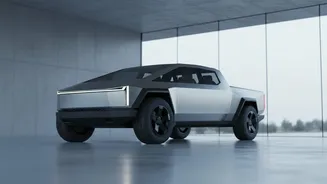
When Elon Musk projected annual sales of 250,000 units, the world paid attention. The Cybertruck, with its sci-fi design and stainless-steel exoskeleton, was positioned as a revolutionary force. However, the reality of the market has been far more sobering.
In its first full year of 2024, Tesla sold just under 39,000 units. The decline steepened in 2025 with sales falling by nearly half to around 20,237 vehicles. The first quarter of 2026 hit a record low, with only 3,519 deliveries. This stark gap between ambition and results has led industry analysts to draw comparisons with the Ford Edsel, long considered one of the biggest commercial flops in automotive history.
The Manufacturing Nightmare
A core part of the Cybertruck's problem lies in the very thing that makes it unique: its construction. The ultra-hard, cold-rolled stainless steel body is incredibly difficult to manufacture at scale. The material's limited malleability is the reason for the truck's angular, flat-paneled design, as traditional stamping and shaping processes are not feasible. This has created what Musk himself called “production hell.” The specialized process requires inventing new manufacturing techniques on the fly, leading to slow ramp-ups and quality control issues. Adding to the complexity, a recent dispute with a key tooling supplier, Angstrom Automotive Group, has threatened to halt production altogether, with Tesla warning in a federal lawsuit that its supply of crucial components could be exhausted in days.
A Polarizing and Pricey Proposition
While manufacturing throttles supply, there are growing questions about the scale of actual demand. The Cybertruck’s polarizing design, once a source of viral buzz, may be limiting its mainstream appeal. While owners who have taken delivery are often overwhelmingly positive, the broader market seems hesitant. A significant factor is price. Initial promises of a more accessible starting price vanished by the time deliveries began, with the dual-motor configuration launching at a price point that put it in direct competition with established and more conventional electric trucks like the Ford F-150 Lightning and Rivian R1T. This higher-than-expected cost has likely alienated a large portion of the initial reservation holders and traditional truck buyers who value practicality and familiarity.
Inflated Numbers and a Shrinking Market
A closer look at the sales figures reveals another troubling trend. A significant portion of early sales were not to individual consumers but to other companies controlled by Elon Musk. In the fourth quarter of 2025, SpaceX alone purchased 1,279 Cybertrucks, accounting for roughly 18% of all registrations in that period. Without these internal sales, the numbers would look even more concerning. This reliance on affiliated companies to boost numbers suggests that organic, retail demand is weaker than headline figures imply. This is all happening as the overall market for electric pickups in US has contracted, making the fight for market share even more intense.
What’s Next for the Cybertruck?
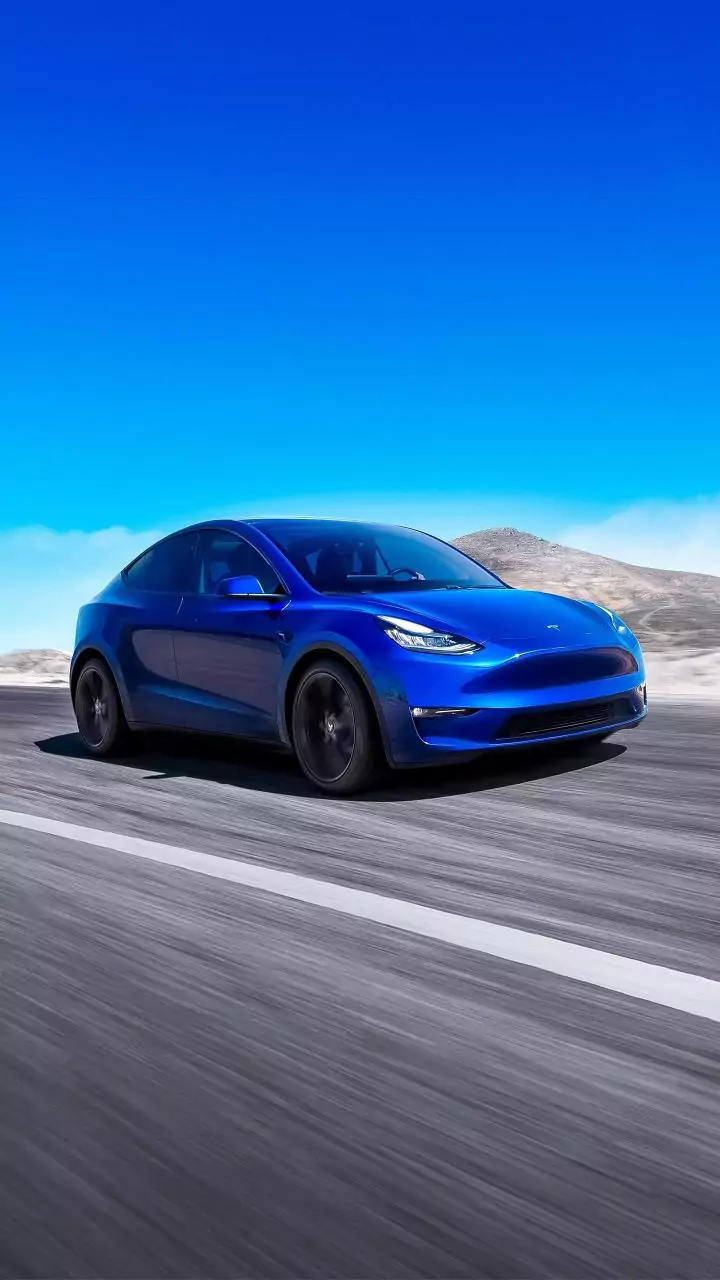
The Cybertruck is now at a crossroads. Its radical design and a manufacturing process that prioritizes novelty over scalability have created a perfect storm of high costs and low volume. Tesla is a company that thrives on mass-market disruption, as seen with the Model 3 and Model Y. The Cybertruck, by contrast, is struggling to find its footing beyond a niche group of early adopters and brand loyalists. The current production challenges, coupled with negative analyst commentary and falling investor confidence, put immense pressure on Tesla to either fix the Cybertruck's trajectory or pivot its strategy. The company may need to reposition the vehicle as a lower-volume halo product rather than the mass-market titan it was intended to be.