


The Rise of a Botanical Star
In the quest for natural and effective skincare, ingredients sourced from nature have gained immense popularity. African Hibiscus, known in Ayurveda as 'Japa', has a long history of use in traditional wellness. Its jump into modern cosmetic labs is driven
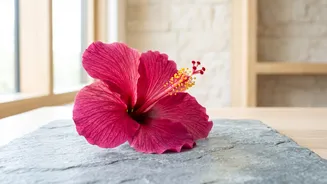
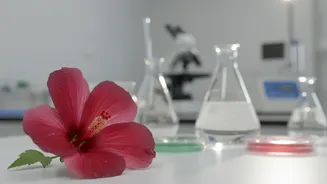
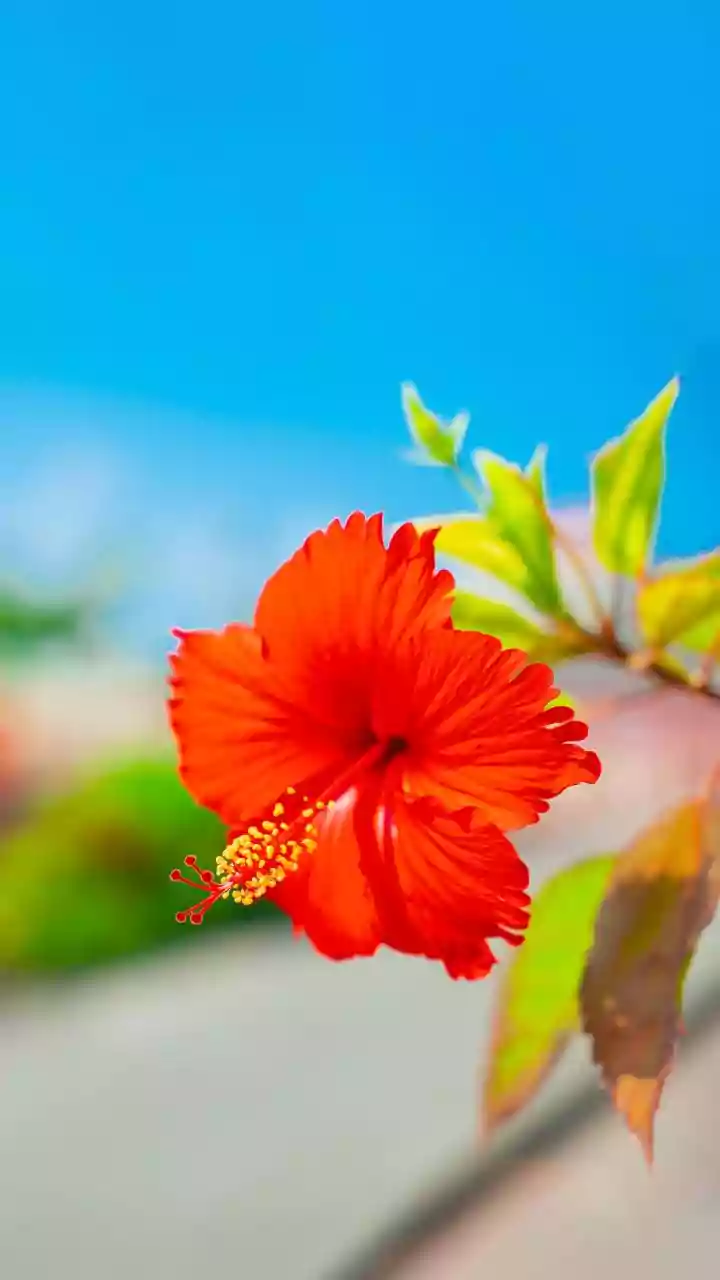
by a consumer demand for plant-based solutions that are both gentle and powerful. The flower's rich, red petals are not just beautiful; they are packed with compounds that have intrigued scientists and formulators. This has led to its exploration as a key ingredient in everything from serums and creams to facial masks, all banking on its perceived ability to rejuvenate the skin. Marketers often highlight its exotic origins and natural potency, positioning it as a must-have for a youthful glow.
Claim: The 'Botox Plant'?
The most sensational claim attached to hibiscus is that it is 'nature's Botox'. This comparison comes from the idea that it can deliver similar smoothing and firming results as the popular cosmetic injection. This claim is primarily linked to the flower's ability to inhibit elastase, an enzyme that breaks down elastin, the protein responsible for our skin's ability to snap back into place. By preserving elastin, the theory goes, hibiscus helps keep skin firm and reduces the appearance of sagging. However, this comparison is a major overstatement. Botox is a medical treatment that works by temporarily paralysing muscles to smooth wrinkles. Hibiscus extract, when applied topically, works on the skin's surface and does not affect muscle movement. While it may support skin firmness over time, it cannot replicate the dramatic and immediate effects of a clinical procedure.
Reality: A Potent Antioxidant Shield
Where hibiscus truly shines is in its scientifically supported role as a powerful antioxidant. The flower is rich in compounds called anthocyanins, which are responsible for its deep red colour and possess strong antioxidant properties. Antioxidants are essential for skin health because they help neutralise free radicals—unstable molecules generated by UV radiation and pollution. This damage, known as oxidative stress, is a primary driver of premature ageing, leading to fine lines, wrinkles, and a loss of radiance. By helping to protect the skin from these environmental aggressors, hibiscus can play a valuable role in a preventative anti-ageing skincare routine, supporting a healthier and more resilient complexion.
Reality: Gentle Exfoliation and Hydration
Beyond antioxidant protection, hibiscus offers two other tangible benefits: gentle exfoliation and hydration. The plant contains natural organic acids, such as citric and malic acid, which function as mild Alpha Hydroxy Acids (AHAs). These acids help to slough off dead skin cells from the surface, promoting a brighter, more even-toned complexion without the harshness of stronger chemical exfoliants. Furthermore, hibiscus is rich in a sticky substance called mucilage. This component is excellent at storing water, and on the skin, it acts as a humectant, drawing in moisture and helping to keep the skin hydrated, soft, and supple.
Understanding the Evidence Gap
The headline's caution about a lack of evidence for 'miracle results' is an important one. Much of the promising research on hibiscus has been conducted on isolated extracts in a laboratory setting, not on final cosmetic products applied to human skin. As some experts point out, the positive results from a lab study do not automatically guarantee the same effect from a cream or serum you buy off the shelf. The concentration of the extract, the formulation of the product, and how it interacts with other ingredients all play a critical role. This doesn't mean hibiscus is useless; it simply means it should be seen as a supportive ingredient with proven benefits, not a single miracle worker.
How to Be a Smart Consumer
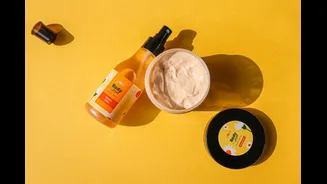
When shopping for products containing African Hibiscus, it is wise to manage expectations. Look for it as part of a well-rounded formula rather than relying on it as the sole active ingredient. Check the ingredient list to see where Hibiscus Sabdariffa or Hibiscus Rosa-Sinensis Flower Extract appears; the higher up the list, the higher the concentration. Pair it with other proven ingredients like Vitamin C, hyaluronic acid, and niacinamide. See hibiscus for what it is: a beneficial botanical that offers antioxidant protection, mild exfoliation, and hydration. It can certainly contribute to healthier, more radiant skin as part of a consistent routine, but it is not a substitute for professional treatments or a magic potion for eternal youth.