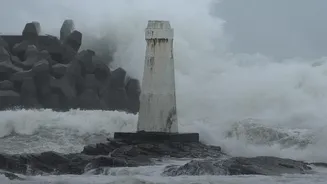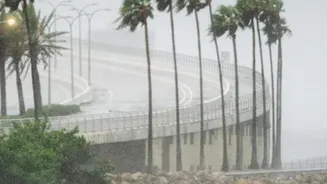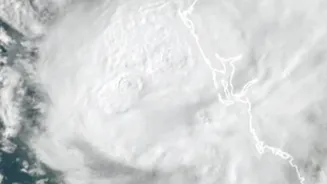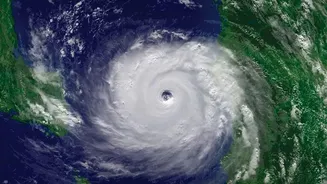






As coastal communities brace for Cyclone Akvan, there is a weary sense of familiarity. This is not an isolated event but the third major storm in a rapid succession, following the impacts of Cyclones Murasu and Arnab just weeks earlier.
The Immediate Threat of Akvan
Cyclone Akvan is
the latest system to form in the Bay of Bengal, currently tracking towards the Andhra Pradesh coast, a region already saturated and damaged. The India Meteorological Department (IMD) has issued warnings for heavy rainfall, strong winds, and significant storm surges. Emergency response teams are on high alert, and evacuation orders are in place for the most vulnerable low-lying areas. The primary concern is not just the storm's intrinsic power but its arrival on the heels of two other destructive cyclones, creating a scenario where a region's capacity to cope is already stretched to its breaking point. The October-December post-monsoon period is a peak cyclone season, but the formation of three strong systems targeting the same coastline in such a short span is an unusual and worrying pattern.
A Landscape Scarred by Murasu and Arnab
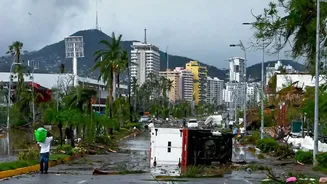
Before Akvan loomed, the very same coastal districts were grappling with the aftermath of Cyclone Murasu and, just before it, Cyclone Arnab. Arnab, a very severe cyclonic storm, made landfall in late October, followed by Severe Cyclonic Storm Murasu in the first week of November. Both storms battered the south-eastern coast, causing widespread damage. Reports indicated that the two storms were responsible for over a dozen fatalities and damaged crops across more than 4.5 lakh hectares. Infrastructure, including power lines, communication towers, and roads, suffered significant blows. For many communities, the recovery from Arnab had barely begun when Murasu struck, and now Akvan threatens to turn a difficult recovery into a prolonged crisis.
The Compounding Crisis of Successive Storms
The danger of sequential cyclones goes beyond the sum of their individual impacts. This phenomenon, known as a compounding crisis, creates a cascade of escalating problems. Emergency resources, from disaster response force personnel to medical supplies, are depleted. Infrastructure weakened by one storm is easily destroyed by the next. Farmers who lost one crop have no time to replant before the next deluge arrives, creating deep economic and food security risks. Furthermore, the psychological toll on residents—facing repeated evacuations and the loss of homes and livelihoods—is immense, leading to long-term community stress and trauma. Each successive storm erodes the resilience that is so critical for recovery.
A 'New Normal' in the North Indian Ocean?
While an active post-monsoon season is normal, the intensity and rapid succession of storms are raising urgent questions about the influence of climate change. Scientists have noted a significant warming trend in the Indian Ocean, particularly the Arabian Sea, which has seen an increase in cyclone frequency and intensity. Warmer sea surface temperatures provide more energy for cyclones to form and intensify. While the Bay of Bengal has historically been the more active basin, changing climate patterns may be altering storm behaviour, leading to more intense systems and unusual tracks. This season's trio of storms serves as a stark reminder that preparing for isolated, 'once-in-a-decade' events is no longer sufficient. The focus must shift to building resilience against a more frequent and ferocious storm cycle.
Strengthening Defences for a Stormier Future
India has made remarkable strides in cyclone preparedness over the past two decades, drastically reducing fatalities through improved forecasting, early warning systems, and mass evacuation protocols. The National Cyclone Risk Mitigation Project (NCRMP) has helped build critical infrastructure like cyclone shelters and strengthened embankments. However, the challenge posed by compounding disasters like the Arnab-Murasu-Akvan sequence requires an even more robust strategy. This includes investing in climate-resilient infrastructure that can withstand multiple impacts, promoting nature-based solutions like mangrove restoration to act as natural buffers, and enhancing community-level disaster management plans that account for the possibility of back-to-back crises.