




As married women prepare for the rigours of the Karwa Chauth nirjala fast on October 29, 2026, the pre-dawn meal of sargi becomes essential. But beyond the food, strategic hydration is the secret to a safe and comfortable day of devotion.
The Science of a Waterless Fast
Karwa Chauth
involves a 'nirjala' fast, meaning no food or water from sunrise until moonrise. This can last for 12 to 14 hours, placing significant stress on the body. When you don't drink water, your body can quickly become dehydrated, leading to common issues like headaches, dizziness, fatigue, and low blood pressure. The sargi, consumed before sunrise, is your only opportunity to fuel and hydrate your system for the entire day. Proper hydration during this meal helps regulate body temperature, support organ function, and can significantly reduce the discomfort associated with dehydration later in the day.
Smart Sips: What to Drink During Sargi
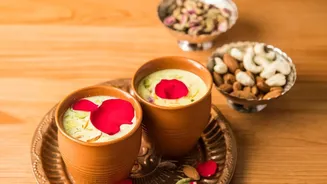
While plain water is a good start, some drinks are more effective at long-term hydration than others. Instead of gulping down a large amount of water at once, which your kidneys may process quickly, sip fluids steadily throughout your sargi meal. Consider including coconut water, which is rich in electrolytes like potassium that help your body retain fluid. Other excellent choices are fresh, unsweetened fruit juices, buttermilk (chaas), or a glass of milk. These drinks provide hydration along with essential minerals and some energy, making them more beneficial than water alone.
Eat Your Water: Hydrating Foods to Include
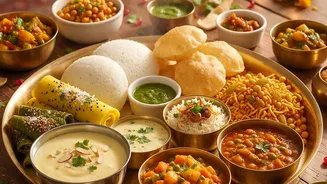
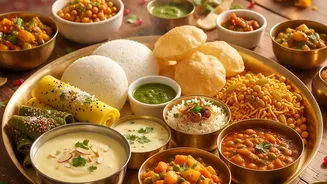
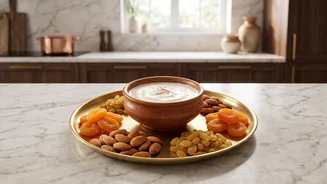
Your sargi meal should be a balance of sustained energy and hydration. Including water-rich fruits and vegetables can make a significant difference. Fruits like watermelon, oranges, pomegranates, and cucumbers are not only hydrating but also provide fibre and essential vitamins. A bowl of curd (yogurt) is another fantastic addition; it's cooling, provides protein, and helps with hydration. Pair these with complex carbohydrates like a whole-wheat roti or a bowl of oats, which provide slow-releasing energy to prevent hunger pangs and energy crashes.
The Dehydrators: What to Avoid Before Your Fast
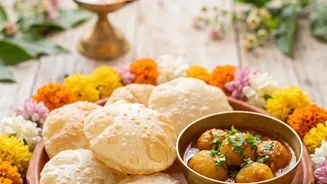
Just as important as what you consume is what you avoid. Certain foods and drinks can actively work against your hydration efforts. Steer clear of tea and coffee during sargi. As diuretics, they can increase urine production and lead to fluid loss. Extremely salty foods like pickles, papad, and savoury snacks (mathri) are also best avoided. Salt increases thirst, which can make the afternoon hours of the fast particularly challenging. Similarly, overly sugary sweets and deep-fried items can cause a quick energy spike followed by a crash, leaving you feeling lethargic and thirsty.
Your Pre-Fast Hydration Plan
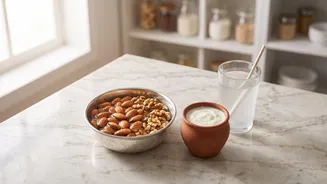
To set yourself up for success, think of hydration as a process, not a single event. Start sipping water about an hour before you plan to eat sargi. With your meal, have a glass of coconut water or milk. Incorporate hydrating foods like fruits and curd into your thali. Finish your meal with another glass of plain water before the fast begins at sunrise. This multi-pronged approach ensures your body absorbs and retains fluids more effectively, providing a reservoir of hydration that will sustain you through your fast. Remember to keep your activities light during the day to conserve energy and minimise fluid loss through sweat.