




The Grand Plan: From One-Off to Assembly Line
In the world of space exploration, the ultimate flex isn't just reaching orbit; it's doing so reliably, frequently, and affordably. This is the core of Skyroot Aerospace's business strategy. Following the historic success of its Vikram-1 orbital launch
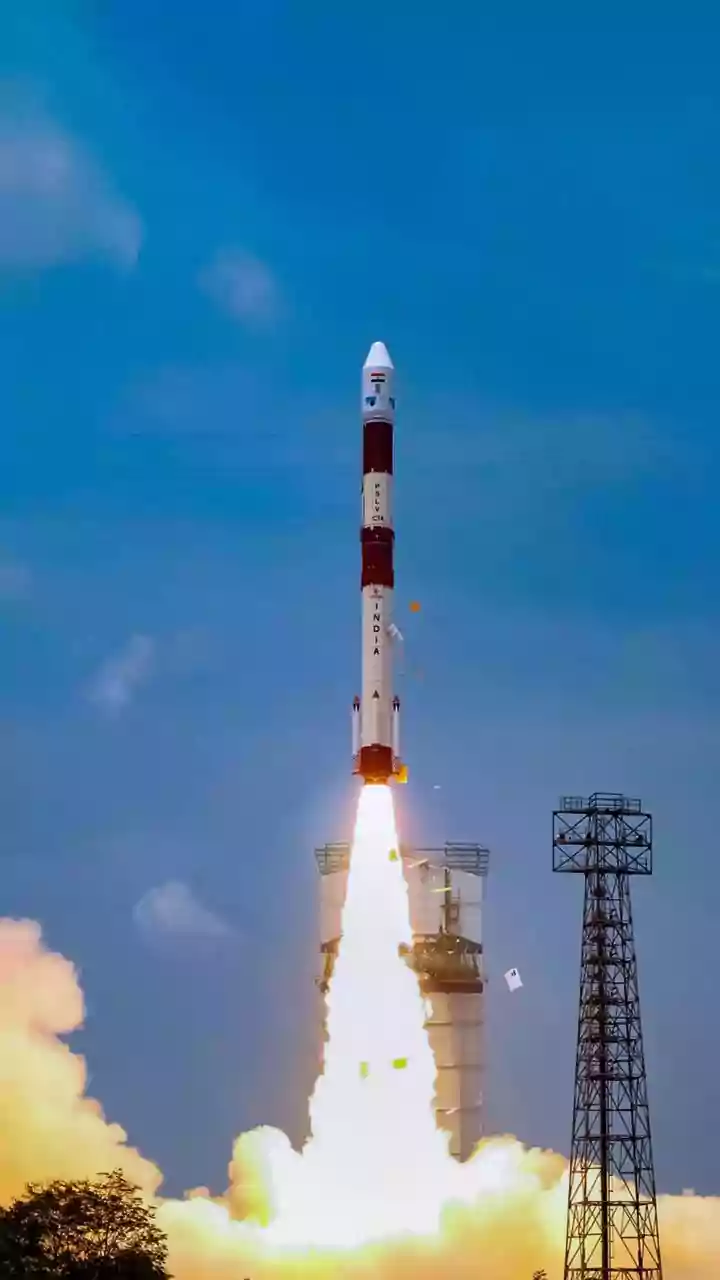
in July 2026, the company has set its sights on a new goal: achieving a launch cadence of one rocket per month starting from 2027. Co-founder and CEO Pawan Kumar Chandana has made it clear that after proving their technology, the next frontier is industrial-scale production and operations. This pivot from successful test flights to a regular launch service is crucial. It’s the difference between a science project and a sustainable business. By aiming for a frequent schedule, Skyroot intends to convert spaceflight from a rare, expensive event into something as predictable as booking a cab—an analogy Chandana himself has used, framing Skyroot as an 'Uber for space'.
The Economics of Repetition
Why is a high launch frequency so important? The answer lies in economics. In the rocket business, many costs are fixed. A launchpad, mission control, and a team of highly skilled engineers are expensive assets, whether you launch once a year or twelve times. By increasing the launch rate, Skyroot can spread these fixed costs over more missions, dramatically lowering the cost per launch. This model has been perfected by global players like SpaceX and is seen as the only viable path to long-term profitability in the commercial launch market. A higher cadence also builds customer confidence. For satellite companies, who are Skyroot’s primary customers, launch delays are costly. A provider that can offer reliable and frequent launch opportunities is far more attractive. Regular missions demonstrate the maturity and reliability of the technology, turning a high-risk decision into a routine procurement for clients in the booming global small satellite market.
Building the Workhorse: The Vikram Series
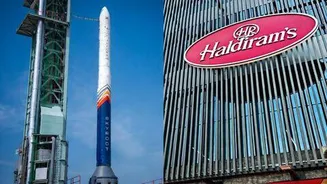
The vehicle at the heart of this strategy is the Vikram-1 rocket. Named after Dr. Vikram Sarabhai, the father of India's space program, it is specifically designed for the small satellite market. Capable of delivering payloads of up to 350 kg to Low Earth Orbit, Vikram-1 is an agile solution for customers who don't want to wait for a rideshare spot on a larger rocket. The rocket itself is a showcase of modern aerospace innovation, featuring an all-carbon composite structure, 3D-printed engines, and advanced avionics. These technologies not only improve performance but are key to enabling faster production. 3D printing, for example, drastically cuts down the time and complexity of manufacturing complex engine parts. Skyroot has invested heavily in its production infrastructure, including a large campus in Hyderabad designed for serial production—a clear sign that the company is built for scale, not just for one-off launches.
A Crowded Sky and the Path Forward
Skyroot's ambition does not exist in a vacuum. The global small satellite launch market is becoming increasingly competitive, with international rivals like Rocket Lab setting a high bar. In India, other startups like Agnikul Cosmos are also developing their own launch capabilities. However, the demand for small satellite launches currently outstrips the available supply, leaving a significant market opening for reliable new players. The successful maiden flight of Vikram-1 on July 18, 2026, was a monumental milestone, making India only the third country, after the US and China, with a private company capable of orbital launch. This success provides a powerful vote of confidence. The immediate next steps for Skyroot involve analysing the vast amount of data from the first flight, conducting another test launch by the end of 2026, and then moving into full commercial operations early next year. The company’s ability to execute this transition from testing to routine flights will determine its long-term success.