




A Spectacle Four Years Ahead of Schedule
For years, the magic number for Munnar’s next great natural event was 2030. That was when the famed Neelakurinji flowers of Eravikulam National Park were expected to bloom again, following their last major appearance in 2018. But nature, it seems, had
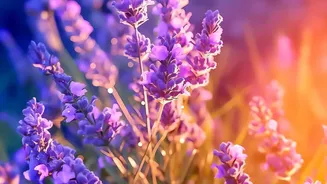
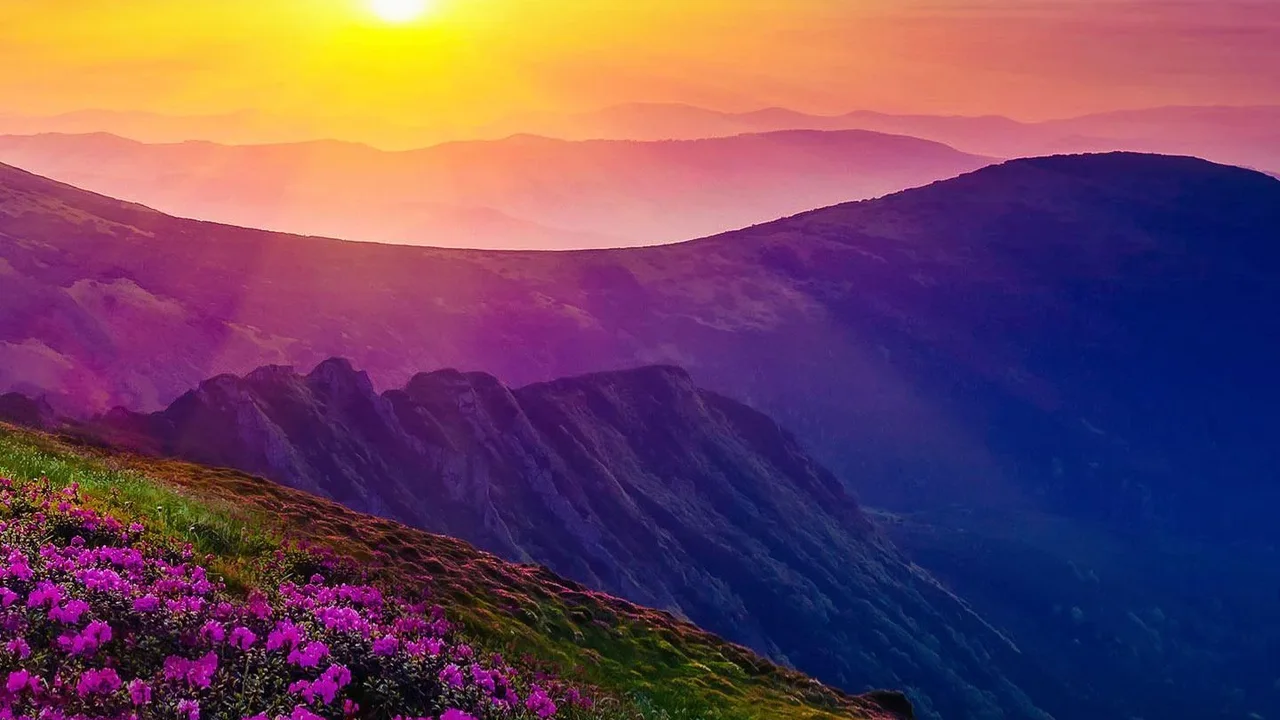
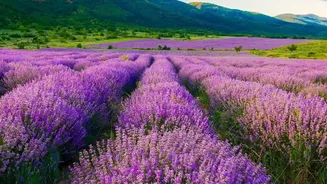
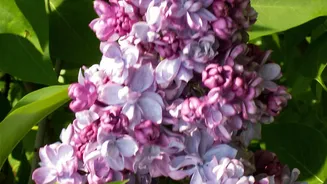
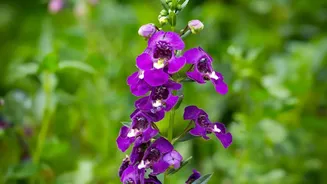
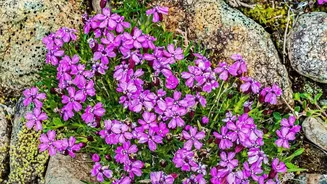
a surprise in store. In September 2026, the hillsides around Chokramudi and Mattupetty have unexpectedly burst into a sea of violet, four years earlier than many anticipated. This isn’t a mistake or an anomaly; it’s a reminder that the Western Ghats host different populations of Neelakurinji, each ticking to its own 12-year clock. The flowers currently carpeting the slopes near Mattupetty last bloomed in 2014, making 2026 their scheduled return. For travellers and nature lovers, it is a rare, unforeseen opportunity to witness a phenomenon that has defined these mountains for centuries.
The Science of a Synchronised Bloom
The Neelakurinji, or Strobilanthes kunthiana, is no ordinary plant. It belongs to a unique group of plants known as plietesials, which are characterised by long intervals between flowering. This particular shrub spends 12 years growing quietly in the high-altitude shola grasslands before bursting into flower in a synchronised mass event called gregarious flowering. This incredible evolutionary strategy, known as masting, serves a crucial purpose: predator satiation. By flowering all at once after a long hiatus, the plants produce an overwhelming number of seeds, ensuring that even after birds and insects have had their fill, plenty are left to germinate and begin the next 12-year cycle. After this singular, spectacular act of reproduction, the parent plant dies, its life’s purpose fulfilled.
An Ecological and Cultural Bellwether
The Neelakurinji is more than just a botanical curiosity; it is a vital part of the Western Ghats ecosystem and culture. The name Nilgiri, or 'Blue Mountains', is believed to have originated from the sight of these hills covered in the purplish-blue blossoms. For the local Paliyan tribal community, the bloom has historically been a way to mark the passage of time and calculate their age. Ecologically, the mass flowering provides a feast for pollinators like bees and butterflies, playing a crucial role in the local food web. The honey produced during this period is considered rare and of superior quality. As an indicator species, the health and cycle of the Neelakurinji reflect the health of the fragile shola grasslands it inhabits.
The Unseen Threat of Human Activity
While the 2026 bloom is a cause for celebration, it also casts a spotlight on the mounting pressures facing this unique habitat. Unlike the protected flowers within Eravikulam National Park, the current bloom around Chokramudi is happening in areas more vulnerable to human impact. Decades of habitat fragmentation from expanding tea plantations, infrastructure projects, and unregulated tourism have taken a toll. Reports have highlighted how trampling by tourists, accumulation of waste, and attempts to pluck the flowers disrupt the plant's natural regeneration cycle. In response, the plant was brought under Schedule III of the Wildlife (Protection) Act, making it a punishable offence to pick or destroy it. Authorities are now implementing stricter regulations, including restricting traffic and deploying additional staff to manage the influx of visitors, hoping to protect the very wonder people have come to see.
A Fragile Beauty Worth Protecting
The story of the 2026 Neelakurinji bloom is, therefore, a dual narrative. On one hand, it is a breathtaking display of nature’s precision and resilience. On the other, it is a stark reminder of what is at stake. The flower stands as a symbol of a delicate balance between celebrating natural heritage and the urgent need to preserve it. Each bloom is a gift, a fleeting spectacle that will not return to these specific hills until around 2038. Its survival depends on responsible tourism and robust conservation efforts that safeguard the shola grasslands. This purple carpet is not just a photo opportunity; it is a living legacy of the Western Ghats, asking us to be mindful custodians so that future generations can witness its magic.