



The Building Blocks: Understanding Amino Acids
Think of protein as a long chain made of smaller links called amino acids. Our bodies need 20 different amino acids to build and repair tissues, from muscles to hair. While our bodies can produce 11 of these, there are nine—known as 'essential amino acids'—that
we must get from food. Animal products like meat, eggs, and dairy are considered 'complete proteins' because they contain all nine of these essential amino acids in sufficient amounts. This is where vegetarian diets require a little more thought.
The 'Incomplete' Nature of Plant Proteins
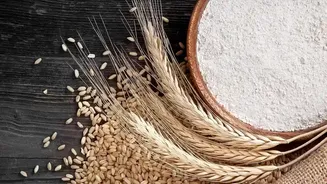
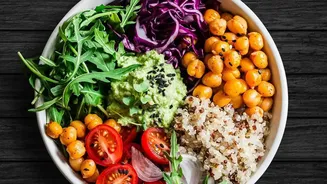
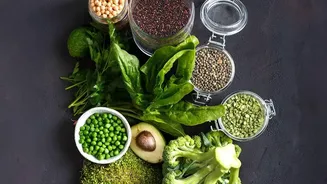
Most plant-based foods are fantastic sources of protein, but they are often 'incomplete'. This doesn't mean they are bad; it simply means they are low in one or more of the nine essential amino acids. For example, legumes like lentils (dal) and beans (rajma, chana) are rich in an amino acid called lysine but are typically low in methionine. On the other hand, grains like rice and wheat are low in lysine but have plenty of methionine. Relying on just one of these food groups means you might not be giving your body the full set of tools it needs.
The Power of Pairing: Creating Complete Proteins
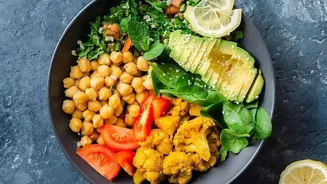
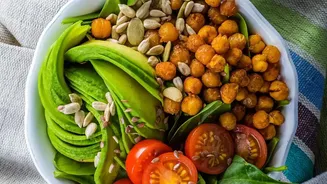
This is where the magic of 'protein combining' comes in. By pairing different plant foods, you can easily create a complete protein profile. The good news is that many traditional meals already do this naturally. The classic Indian meal of dal and rice is a perfect example. The lentils provide the lysine that rice lacks, and the rice provides the methionine that lentils are low in. Together, they form a complete protein that is comparable in quality to animal protein. Other powerful combinations include hummus (chickpeas) with pita bread (wheat), a peanut butter sandwich on whole-grain bread, and a roti eaten with any dal or bean-based sabzi.
Good News: Timing Isn't Everything
Years ago, nutrition experts believed you had to eat these complementary proteins in the same meal for your body to use them. However, modern research has shown that this isn't necessary. Our bodies are smart and maintain a pool of amino acids to draw from as needed. As long as you eat a variety of plant protein sources throughout the day—for instance, dal for lunch and a handful of nuts or seeds as an evening snack—your body can piece together the complete set of essential amino acids it requires. This makes getting high-quality protein on a vegetarian diet much more flexible and less stressful.
Meet the Plant-Based All-Stars
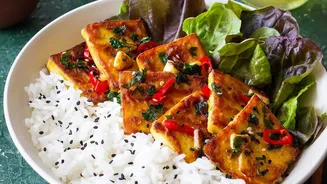
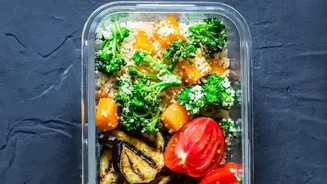
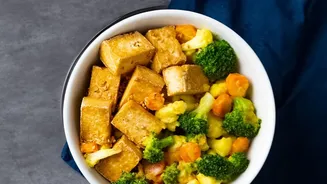
While combining foods is a great strategy, some plant foods are naturally complete proteins, containing all nine essential amino acids on their own. Incorporating these into your diet can simplify things even further. Excellent examples include quinoa, amaranth (rajgira), soy products like tofu and edamame, buckwheat (kuttu), and chia seeds. Quinoa can be used as a substitute for rice, while tofu makes a great addition to curries and stir-fries. Amaranth is another traditional grain in India that packs a powerful protein punch.