


More Than Just a Crunchy Topping
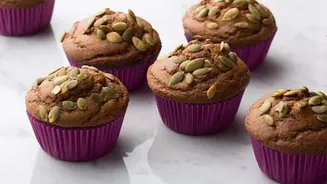
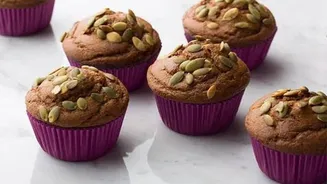
We often see pumpkin seeds, or pepitas, sprinkled over salads or soups for a bit of texture. But these small green seeds are nutritional powerhouses in their own right. When baked into a wholesome muffin, they transform the snack from a simple treat into something
genuinely beneficial. These seeds are packed with minerals, healthy fats, and antioxidants that your body needs to function well. Instead of thinking of them as a garnish, it’s time to recognise them as a star ingredient that delivers significant value in every bite, moving beyond their occasional use to become a staple for health-conscious food lovers.
A Powerhouse of Magnesium
One of the standout nutrients in pumpkin seeds is magnesium. Many people don't get enough of this vital mineral, which is involved in over 600 chemical reactions in the body. Adequate magnesium levels are crucial for regulating blood pressure, maintaining strong bones, controlling blood sugar, and ensuring proper muscle and nerve function. A diet rich in magnesium is linked to a lower risk of heart disease and stroke. So, that pumpkin seed muffin isn’t just curbing your mid-afternoon hunger; it’s also delivering a mineral that helps your heart keep a steady rhythm and your muscles work correctly.
Rich in Zinc for Immune Support
If you’re looking to keep your immune system in top shape, pumpkin seeds are an excellent ally. They are one of the best plant-based sources of zinc, a mineral essential for a robust immune response. Zinc helps your body develop and activate immune cells that fight off pathogens, and it plays a role in reducing inflammation. A deficiency in zinc can make you more susceptible to illness. By incorporating pumpkin seeds into your diet, whether in a muffin or on their own, you are helping to ensure your body’s defence mechanisms are well-supported, which is crucial for overall health and resilience.
Healthy Fats and Potent Antioxidants
Pumpkin seeds are a fantastic source of healthy unsaturated fats, including omega-3 and omega-6 fatty acids. These fats are known to be beneficial for heart health by helping to lower 'bad' LDL cholesterol levels. Beyond the healthy fats, pumpkin seeds are loaded with antioxidants like carotenoids and vitamin E. These compounds combat cellular damage caused by free radicals, which in turn helps protect your body against chronic diseases and reduces inflammation. This combination of good fats and protective antioxidants makes them a truly valuable addition to any diet, contributing to long-term wellness.
So, What About Better Memory?
This is where we need to separate the solid science from the wishful thinking. The nutrients in pumpkin seeds, particularly zinc, magnesium, and copper, are absolutely vital for brain health. Zinc, for instance, is crucial for nerve signalling, and a deficiency has been linked to several neurological conditions. Magnesium is essential for learning and memory processes. However, being essential for 'brain health' is not the same as 'improving memory'. While a nutrient deficiency can impair cognitive function, there is no strong scientific evidence to suggest that eating pumpkin seeds will magically boost your recall or sharpen your focus beyond normal levels. They support the brain's foundation, but they aren't a shortcut to a better memory.
Making Your Muffin Count
Not all muffins are created equal. To truly reap the benefits discussed, it's important to choose wisely. Many store-bought muffins are high in sugar, refined flour, and unhealthy fats, which can negate the positive effects of the pumpkin seeds. Look for or bake muffins that use whole grains like oat or whole wheat flour, are sweetened naturally with ingredients like banana or a small amount of honey, and use healthy oils. Reading the ingredient list is key. A truly healthy pumpkin seed muffin should have a short list of recognisable, whole-food ingredients. This way, you get a genuinely nutritious snack that supports your health goals.