



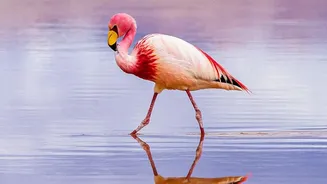

A Sky Half-Empty
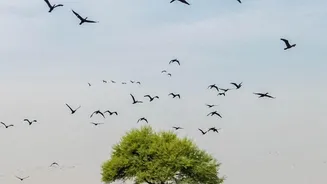
The numbers paint a grim picture. A major global study published in July 2026 revealed that approximately 51% of the world's migratory bird species are in decline. This isn't a problem confined to distant lands; it's being observed right here. The State
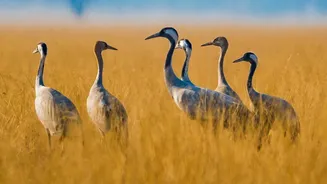
of India's Birds report, a comprehensive assessment, highlights a significant drop in many species that grace our wetlands and forests. Long-distance migrants have been hit particularly hard, with some populations that travel from the Arctic to India declining by as much as 80%. This includes species that were once considered common, forcing a re-evaluation of their conservation status and ringing alarm bells for ecologists and birdwatchers alike.
Journeys Without Borders, Dangers at Every Stop
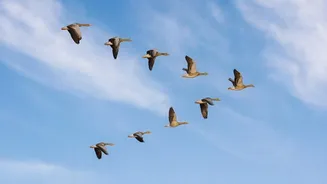
The very nature of migration is the source of both its wonder and its vulnerability. A bird journeying along the Central Asian Flyway (CAF)—a route covering 30 countries that brings many species to India—does not recognise national borders. Its survival depends on an unbroken chain of safe habitats: breeding grounds in Siberia, stopover sites for rest and refuelling in Central Asia, and wintering grounds in the Indian subcontinent. However, conservation efforts are often fragmented and confined within national boundaries. While a wetland might be protected in India, the destruction of a similar habitat thousands of kilometers away can doom a species just as effectively. This mismatch between the birds' borderless lives and humanity's bordered world is at the heart of the conservation crisis.
The Gauntlet of Modern Threats
Migratory birds today navigate a gauntlet of threats. The most significant is habitat loss and degradation. Wetlands are drained for agriculture and urbanisation, grasslands are converted into monoculture plantations, and coastal mudflats disappear under new infrastructure. This eliminates the food sources—insects, seeds, and aquatic vegetation—that birds desperately need to survive their arduous journeys. Climate change adds another layer of peril. Warmer springs can disrupt the environmental cues that trigger migration, causing birds to arrive at their breeding grounds out of sync with peak food availability, leading to failed nesting attempts. Furthermore, power lines, wind turbines, and rampant pollution pose constant dangers along their entire route.
India's Critical Role as a Sanctuary
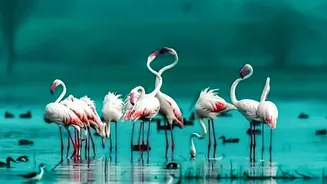
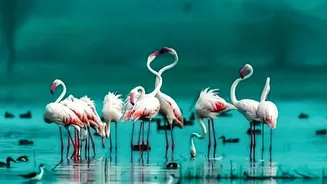
For hundreds of species, India is the final destination, a crucial winter sanctuary that allows them to survive the harsh northern winters. Our country's vast network of wetlands, from high-altitude lakes in Ladakh to the coastal plains of the south, serves as a vital refuge. The decline of birds like the Bar-headed Goose, which flies over the Himalayas, or the many shorebirds that dot our coasts, is a direct indicator of the health of these ecosystems. Their presence supports local environments by controlling pests and dispersing seeds, and fuels a passion for nature among millions of people. Recognizing this, conservation groups in India are implementing targeted projects to protect critical habitats, but these local actions must be part of a larger, coordinated international effort to be truly effective.
A Shared Sky, A Shared Responsibility
Reversing the decline of migratory birds is a complex challenge that no single country can solve alone. Because these birds connect continents, their conservation demands a new level of international cooperation. This means strengthening transboundary agreements, sharing data between nations, and coordinating efforts to protect the entire network of sites along a flyway. It also involves tackling the root causes of decline, such as unsustainable agricultural practices, pollution, and the overarching threat of climate change. The science is clear: we know what needs to be done to help many of these species recover. The question is whether we can muster the collective will to act. The fate of these incredible global travellers depends on it.