





Why Monsoon Is a Fermentation Challenge
Fermentation is a delicate dance between beneficial microbes and harmful ones. Under ideal conditions, good bacteria like Lactobacillus thrive, preserving food and giving it a characteristic tangy flavour. However, the monsoon's high humidity and fluctuating
temperatures can disrupt this balance. Warm, damp air accelerates fermentation, which can quickly turn into over-fermentation. This creates an environment where unwanted bacteria, yeasts, and fungi can multiply, leading to spoiled food and potential health risks like food poisoning. Proper hygiene and temperature control, which are always important, become absolutely critical during this season to ensure your fermented foods are safe to eat.
Handling Homemade Batters
Idli and dosa batters are staples in many Indian homes, but they are particularly sensitive to the monsoon climate. The batter may become watery or ferment too quickly, developing an overly sour or even alcoholic smell. To manage this, consider grinding the batter with slightly less water than usual. Once it has risen to the desired level, do not leave it out; promptly move it to the refrigerator in a clean, airtight container. This slows down the fermentation process, keeping the batter fresh for up to three or four days. Always check the batter before use. Any signs of mould, unusual discolouration (like pink or grey streaks), or a rotten, chemical-like smell are clear indicators that the batter must be discarded. A pleasantly tangy aroma is normal, but a sharp, unpleasant odour is a warning sign.
The Truth About Pickles and Preserves
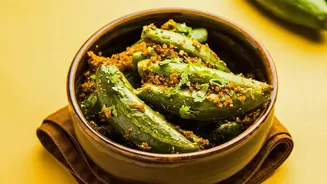
While pickles are designed for a long shelf life, they are not invincible, especially in a humid environment. The biggest threats to pickles during the monsoon are moisture and cross-contamination. Always use a completely dry spoon to serve pickles. A wet spoon introduces moisture, which can lead to fungal growth. Ensure that the layer of oil on top of the pickle remains intact, as it acts as a protective barrier against air and microbes. Keep the jar lid tightly sealed and store it in a cool, dark place. Check for visible signs of spoilage like mould or a fuzzy white layer (kahm yeast). While some surface yeast can be skimmed off, any prominent mould growth means the pickle is no longer safe to consume.
Yoghurt and Other Dairy Ferments
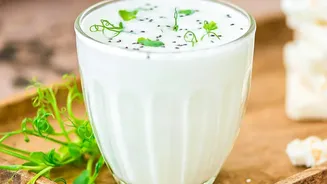
Homemade dahi (yoghurt) is another daily essential that requires extra attention during the rainy season. The process of setting curd can speed up significantly in the warmer, humid weather. The most crucial step is to use a thoroughly clean vessel to set the culture. Once the dahi has set to your desired consistency, it should be refrigerated immediately to halt further fermentation. If left out for too long, it can become excessively sour or even bitter. As with other ferments, your senses are your best guide. If the dahi has an off-smell or a texture that seems slimy or unusual, it's safest not to consume it.
General Rules for Safe Fermentation
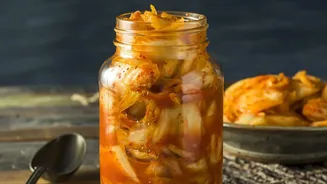
A few universal rules can help keep all your fermented creations safe. First, sanitation is non-negotiable. Always start with thoroughly cleaned and sterilised containers, preferably glass or food-grade steel, as these are non-reactive. Avoid using hands to mix batters or handle finished ferments; always use a clean, dry ladle or spoon. When making vegetable ferments like sauerkraut, ensure the ingredients are fully submerged in the brine, as this prevents exposure to oxygen which can cause mould. Finally, trust your judgment. The rule of thumb for any food, especially ferments, is: when in doubt, throw it out. A suspicious smell, colour, or texture is not worth the risk.