






A Diplomatic Arrival
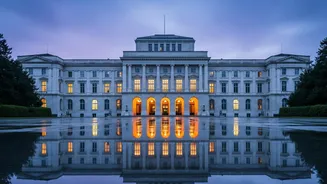
In early August, the grounds of the United Nations Office at Geneva (UNOG) welcomed new residents with a distinctly Indian heritage. In a formal ceremony, India gifted five young peacocks to the institution, a move celebrated as a vibrant display of soft
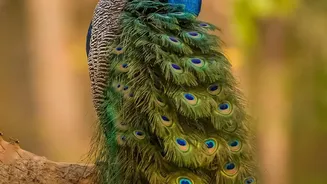
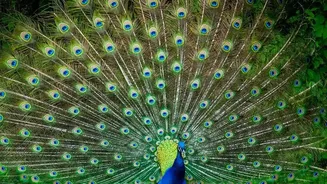
power and cultural exchange. The flock, comprising four classic blue peafowl and one rare white male, was presented by Arindam Bagchi, India's Permanent Representative to the UN in Geneva, to UNOG Director-General Tatiana Valovaya. The colours of the birds were noted to symbolically mirror the blue and white of the United Nations flag, adding another layer of meaning to the gesture. These young birds, all hatched this year, are the latest symbols of India's connection to the world body.
Reviving a Proud Tradition
This gift is not the first of its kind; rather, it revives a tradition of peacock diplomacy initiated decades ago. In 1981, then-Prime Minister Indira Gandhi arranged for a breeding pair of peacocks from the Delhi Zoo to be sent to Geneva, establishing a living link between India and the UN's European headquarters. The recent donation has been framed as a continuation of this legacy, reinforcing the enduring partnership between the nation and the multilateral organization. Ambassador Bagchi called the donation a privilege and a continuation of this longstanding association. The Indian mission stated that the peacock, as a symbol of “grace, beauty and resilience,” represents the country’s commitment to biodiversity and environmental stewardship.
A Park with a Peacock Legacy
While the Indian connection is significant, the history of peacocks at the Palais des Nations is even older, predating the United Nations itself. The story begins in 1890 with Gustave Revilliod, the Swiss philanthropist who bequeathed his sprawling estate, Ariana Park, to the city of Geneva. He did so with three conditions: that he be buried on the grounds, that the park remain open to the public, and that his beloved peacocks be allowed to roam freely forever. The park eventually became the home of the UN's European offices, but the peacock tradition endured. Over the years, the population has been supplemented by other donations, including from a zoo in Japan in 1997, making these birds an iconic feature of the diplomatic landscape.
Symbol of a Nation
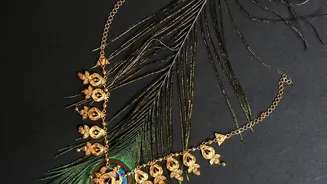
For an Indian audience, the presence of the national bird at such a prestigious global institution is deeply resonant. Designated the national bird in 1963, the Indian peafowl, or Mayura, is woven into the fabric of the country's culture and mythology. In Hinduism, it is the vehicle of Kartikeya, the god of war, and is associated with goddesses of knowledge and wealth, Saraswati and Lakshmi, respectively. Its feathers are often kept in homes to attract prosperity and ward off negative energy. Beyond religion, the peacock symbolizes beauty, royalty, and pride, famously inspiring the legendary Mughal Peacock Throne. This gift, therefore, is not just of birds, but of a rich cultural heritage.
A New Home and a Bright Future
Before the five new arrivals can explore their new home, they must undergo a period of acclimatisation. For the next three months, they will live in a specially constructed aviary within Ariana Park, allowing them to adjust to their surroundings. Their care is being overseen by the Geneva Bioparc, which handled their delicate transport in a modified veterinary ambulance. After this adjustment period, they will be released to roam the 46-hectare park, which experts describe as a “dream habitat” of old trees, gardens, and open grass. There is even a plan to hold a public competition to name the five peacocks, further endearing them to the Geneva community.