





The End of the Itinerary Race
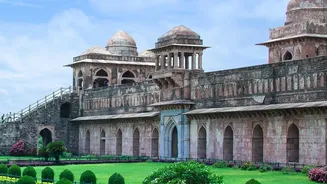
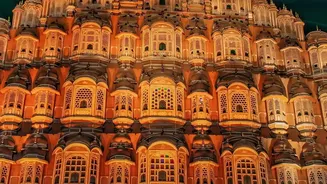
For decades, the success of a vacation was often measured by the number of pins dropped on a map. A trip to Rajasthan meant a whirlwind tour of Jaipur, Udaipur, Jodhpur, and Jaisalmer in under a week. A European holiday was a high-speed train journey
through Paris, Rome, and Amsterdam. But a significant shift is underway. Recent travel data reveals a clear trend: Indian travellers are increasingly choosing to explore fewer destinations and spend more time in one place. According to a Thrillophilia travel index from 2025, multi-city tours with four or more stops saw a 24% decline, while single-base itineraries enjoyed a 36% year-on-year increase. This move signals a maturing travel mindset, where the quality of the experience is finally trumping the quantity of sights seen.
From Sightseeing to 'Slow Travel'
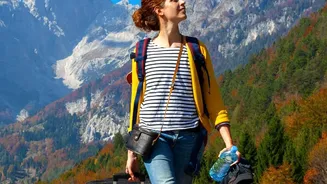
This evolving preference has a name: slow travel. It's the conscious choice to spend more time in a single location, allowing for a deeper, more meaningful connection. Instead of rushing between monuments, travellers are opting for leisurely strolls through local markets, unplanned conversations at neighbourhood cafes, and a genuine immersion into the local rhythm of life. A Booking.com report noted that 71% of Indian travellers are now intentionally extending their trips to have more time to rest and properly enjoy a destination. This approach swaps the exhaustion of constant transit for the richness of discovery. The goal is no longer just to see a place, but to understand it, returning home with stories, not just snapshots.
What’s Driving This Change?
Several factors are fuelling this move towards slower, more deliberate travel. The post-pandemic world has reshaped priorities, with a recent survey by Bain & Company and Google finding that nearly half of Indian travellers are willing to spend more on fewer, higher-quality trips. There is a clear move toward depth over breadth. Furthermore, the rise of experiential travel, which focuses on immersive cultural activities, has been massive. This market segment in India is projected to reach USD 45 billion by 2027, driven largely by younger travellers aged 18–35 who prioritise authentic engagement over conventional sightseeing. They seek cultural immersion, community engagement, and unique activities, from learning a local craft to exploring regional cuisine.
The Rise of the Mono-Destination Holiday
As a result, the mono-destination holiday is becoming the new standard. Instead of a hectic schedule, families, couples, and solo travellers are booking longer stays of 10 to 14 days in a single location. This allows for a more relaxed pace and the flexibility to be spontaneous. Tour operators are adapting to this demand, with custom and semi-custom itineraries gaining significant traction. The focus is on creating a seamless and reliable experience where peace of mind has become more valuable than a rock-bottom price. Travellers are seeking predictability and safety, often choosing destinations and properties that offer a controlled and self-contained environment. This is reflected in booking patterns, which show average trip durations increasing while the number of stops per itinerary shrinks.
The Future Is Immersive
This shift is more than a fleeting trend; it represents a fundamental change in how Indians define a valuable travel experience. The desire for authentic connection and personal well-being has replaced the old badge of honour that came with a packed itinerary. As travellers continue to seek out immersive and restorative journeys, the industry will continue to evolve. The future of Indian travel isn't about how many places you can go, but how deeply you can connect with the one place you’ve chosen to be. It’s a move from a travel log to a travel story, rich with detail, character, and genuine feeling.