







An Unforgettable Night-Time Perfume
The most enchanting quality of African Jasmine, scientifically known as Jasminum multipartitum, is its captivating fragrance. While pleasant during the day, the scent intensifies dramatically as evening falls, filling the air with a rich, sweet, and exotic
perfume. This night-time potency is a classic trait of plants pollinated by moths, which are drawn to strong scents in the dark. The aroma is often described as a quintessential floral bouquet—intensely sweet yet fresh, with a sensual, musky undertone that makes it both complex and universally appealing. Unlike the common Mogra (Jasminum sambac) so beloved in India, African Jasmine offers a slightly different but equally intoxicating olfactory experience, making it a prized addition to any sensory garden.
More Than Just a Scent
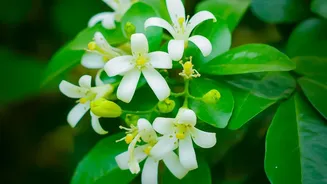
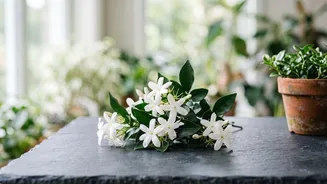
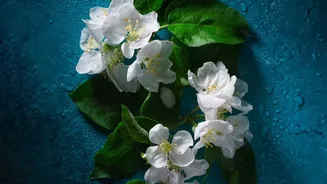
While its fragrance is its calling card, African Jasmine is also a visually stunning plant. Also called Starry Wild Jasmine, this evergreen is a vigorous scrambler or climber native to Southern Africa. It features glossy, dark green leaves that provide a lush backdrop for its prolific flowers. The blooms themselves are exquisite: elegant, star-shaped white flowers that emerge from beautiful pink or reddish-tinged buds. This contrast between the deep green foliage, colourful buds, and pure white petals makes it a decorative and rewarding plant even when you're not smelling it. It can be trained to climb a trellis, cover a fence, or be pruned to maintain a more shrub-like form, growing up to three metres tall.
Bringing African Jasmine into Your Home Garden
Growing African Jasmine is a rewarding endeavour, and it adapts well to Indian climates, especially in milder regions. The key is to provide it with the right conditions. This jasmine thrives in a spot that receives full sun to partial shade, needing at least four to six hours of light daily for abundant flowering. It prefers well-draining soil that is kept consistently moist but not waterlogged. Overwatering is a common mistake that can harm the plant. Because it’s a natural climber, providing a support structure like a trellis or fence will allow it to flourish. It also performs exceptionally well in containers, making it a perfect choice for balconies, patios, and terraces where its evening fragrance can be enjoyed up close.
A Plant with a Rich Heritage
Beyond its ornamental value, African Jasmine holds cultural significance and has traditional uses. In its native regions, it has been used to make herbal teas and its dried flowers are added to potpourri. Sprigs of the flower are often used in floral arrangements, as the buds will continue to open after being picked, perfuming an entire room. The plant also plays a role in its local ecosystem, attracting pollinators like butterflies and moths. While not as commercially widespread as other jasmines used for essential oils, its powerful scent and beautiful appearance have made it a 'must-have' for gardeners seeking a plant that engages all the senses.