




Understanding Fermentation as Preservation
For centuries, before refrigerators were a household staple, fermentation was a primary method of preserving food. The process relies on beneficial microorganisms, like bacteria and yeast, to transform the sugars in food into lactic acid, alcohol, or acetic
acid. This not only creates the unique sour and tangy flavours we love but also produces an acidic environment where harmful bacteria struggle to survive. Essentially, fermentation is a controlled process that encourages good microbes to thrive, which in turn protect the food from spoilage. This natural preservation is why items like sauerkraut and pickles can last for months. Once the food reaches the desired level of fermentation, the process needs to be slowed down, which is where proper storage becomes critical.
The Golden Rules of Handling
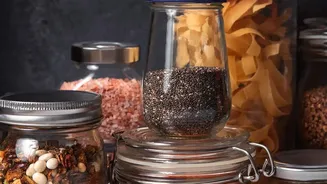
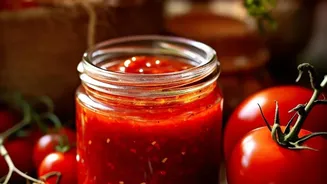
The safety of your fermented foods begins long before you put them in the fridge. Cleanliness is paramount. Always start by washing your hands and ensuring all containers, lids, and utensils are thoroughly cleaned or sterilised to prevent contamination from unwanted microbes. When making your own ferments, using the correct container is vital. Glass or food-grade ceramic jars are ideal because they don't react with the acids produced during fermentation. Avoid most metals, which can corrode and leach into your food. Another crucial rule is to keep the food fully submerged in its brine. Any vegetable matter exposed to air is a potential site for unwanted mould growth. Using a fermentation weight can help keep everything safely under the liquid. Lastly, follow recipes carefully, especially regarding salt. Salt is not just for flavour; it plays a critical safety role by inhibiting bad bacteria while allowing the good ones to work.
Temperature: Your Fermentation Control Dial
Temperature is the most effective tool for managing your ferment. During the active fermentation phase, most foods do best at a consistent room temperature, typically between 68 to 72 degrees Fahrenheit (20-22°C). This is the sweet spot where beneficial lactic acid bacteria work efficiently. If the temperature is too high, the fermentation can happen too quickly, potentially leading to a soft texture and off-flavours. If it's too cool, the process will be very slow. Once your ferment has reached the flavour and sourness you enjoy, it's time to move it to the refrigerator. The cold temperature acts like a pause button, dramatically slowing down the microbial activity. This preserves its flavour and texture for weeks or even months, preventing it from becoming overly sour. Most fermented foods should be stored in the fridge unless they have been properly canned.
Spotting the Signs: Good vs. Bad
It can be nerve-wracking for a beginner to tell if a ferment is safe. Trust your senses, as they are your best guide. Normal signs include a pleasantly sour or tangy aroma, some cloudiness in the brine, and bubbles, which indicate active fermentation. However, there are clear signs of spoilage to watch for. The most obvious red flag is mould, which often appears as fuzzy, colourful spots of green, black, blue, or pink. If you see this kind of mould, the entire batch should be discarded. A thin, white, non-fuzzy layer on top might just be Kahm yeast, which is generally harmless and can be skimmed off, but fuzzy mould is a definite no. Another major warning sign is the smell. If your ferment has a putrid, rotten, or foul odour, do not taste it; throw it away immediately. Unnatural sliminess or a mushy texture are also indicators that something has gone wrong.
Storing Common Ferments
Different ferments have slightly different needs. Vegetable ferments like kimchi and sauerkraut, once they have reached your desired taste, should be stored in an airtight container in the refrigerator. Make sure the vegetables stay submerged in the brine to maintain quality. Liquid ferments like kombucha and water kefir should also be refrigerated once they achieve the right balance of sweet and tart. Refrigeration will also slow down carbonation, although some pressure can still build. Dairy ferments like yogurt and kefir must always be kept refrigerated. Be wary of any dairy ferments that develop pink or orange spots or a bitter, unpleasant odour, as these are signs of spoilage. For all ferments, using a clean utensil every time you take a serving helps prevent introducing new bacteria and prolongs shelf life.