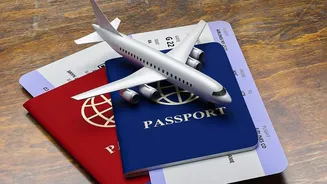








The Rise of the DIY Traveller
Gone are the days when planning a holiday meant a mandatory visit to a local travel agent to flip through glossy brochures. Today, a vast majority of Indian travellers are taking matters into their own hands. According to a 2026 travel trends report by
Booking.com, three out of four (75%) Indian travellers now take charge of planning their trips from start to finish. This shift is part of a larger trend where planning is seen not as a chore, but as an exciting part of the vacation itself. This sentiment is echoed by other studies, with one showing that over half of urban Indians prefer making their own bookings, while only a small fraction still rely on traditional agents. This empowerment signals a move towards greater control, flexibility, and a desire for unique experiences over one-size-fits-all packages.
The Quest for Personalisation and Experience
At the heart of this trend is the deep-seated desire for personalisation. Modern Indian travellers are no longer content with cookie-cutter itineraries. They want to curate experiences that reflect their personal interests, whether that means exploring offbeat destinations, indulging in niche hobbies, or simply travelling at their own pace. Reports indicate a significant move towards experience-led travel, with 75% of travellers opting for holidays centred around unique activities like attending festivals, wellness retreats, or food tours. This 'anti-itinerary' approach allows for spontaneity—the freedom to discover a hidden gem and decide to stay longer, or to change plans based on a local recommendation. It’s about creating a personal story, not just following a pre-written script.
Technology as the Great Enabler
This independence in travel planning would be unimaginable without the digital tools now at everyone's fingertips. The internet has democratised travel planning, offering a wealth of information and direct access to bookings. Indian travellers are among the most digitally savvy in the world, with a staggering 82% using or planning to use AI tools for vacation planning. From flight aggregators and hotel booking platforms like MakeMyTrip and Booking.com to review sites and map services, technology empowers users to compare prices, check reviews, and build complex itineraries with ease. This digital revolution has effectively removed the middleman for a majority of travellers, giving them the confidence and the capability to become their own travel experts.
Is This the End for Travel Agents?
While the rise of the DIY traveller has certainly disrupted the traditional travel agency model, it doesn't spell its complete demise. Instead, the role of the travel agent is evolving. While a significant portion of the market now books online, there's a growing space for agents who offer specialised expertise that algorithms can't replicate. This includes planning complex, multi-destination international trips, organising large group tours, or curating high-end luxury experiences and destination weddings. The future for travel agents lies in becoming niche specialists and trusted advisors who provide a high-touch, personalised service that goes beyond what a booking portal can offer. Their biggest competitive advantage is the human touch, providing insights and support that automated systems cannot match.