


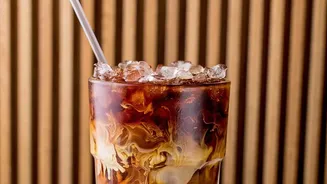
What Exactly Is a 'Dirty Matcha'?
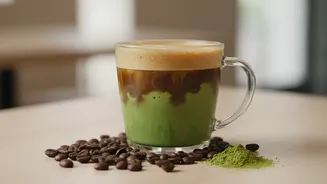
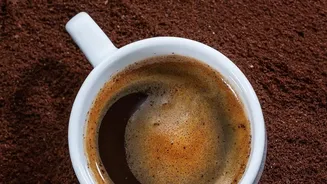
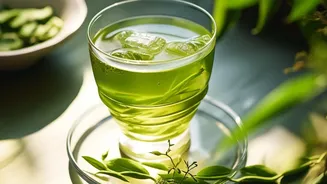
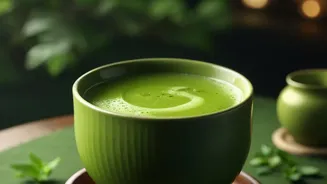
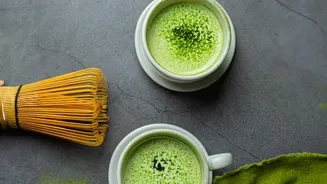
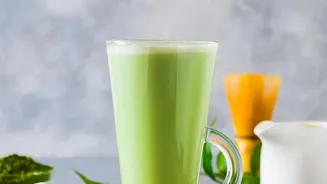
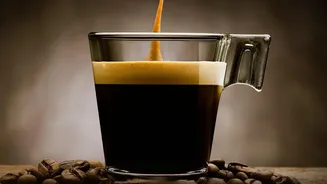
At its core, a dirty matcha is a simple concoction: a standard matcha latte that has been “dirtied” with a shot of espresso. The name follows a café convention, similar to a “dirty chai,” where espresso is added to a beverage that doesn’t normally contain
it. Typically served iced to showcase its signature layered look—often nicknamed a “camo latte”—the dark espresso cascades through the green tea and milk, creating a visually appealing gradient before it’s stirred. The trend gained significant traction on social media, fueled by its unique appearance and the curiosity of combining two of the world's most popular caffeinated drinks.
The Hype: A Perfectly Balanced Buzz?
The primary appeal of the dirty matcha is the idea that it offers a synergistic energy boost. Proponents claim you get the rapid, powerful kick from espresso alongside the calm, sustained alertness from matcha. Matcha contains a unique amino acid called L-theanine, which is known for promoting a state of “wakeful relaxation” and can take the sharp, jittery edge off of caffeine. The promise is a smoother, longer-lasting energy lift without the notorious caffeine crash associated with coffee alone. Furthermore, you get the antioxidant benefits from both coffee and green tea, combining their respective compounds in a single cup.
The Reality: A Serious Caffeine Kick
While the idea of a balanced buzz is appealing, the reality is that a dirty matcha is a high-caffeine beverage. Let’s break down the numbers. A typical single shot of espresso contains around 63 mg of caffeine. A standard serving of matcha, made with about two grams of powder, contains roughly 60-80 mg of caffeine. When you combine them, you’re easily consuming 120-150 mg of caffeine or more in a single drink. This is significantly more than a shot of espresso or a standard matcha latte on its own, and it's comparable to a strong 8-ounce cup of drip coffee, which averages around 95 mg but can go higher.
L-Theanine vs. Espresso: A Jittery Alliance
The central question is whether matcha's calming L-theanine can truly mellow out a potent shot of espresso. While L-theanine does modulate the effects of caffeine, studies often show this synergy in the context of the caffeine naturally present in tea. Adding a fast-acting, high-powered dose of caffeine from espresso may simply overpower the subtle, calming influence of the L-theanine. Instead of a perfectly smooth ride, you might just get the familiar jolt of coffee with a slightly less anxious edge. For many, especially those sensitive to caffeine, the intense hit from the espresso will be the dominant feeling, potentially negating the very reason they might have chosen matcha in the first place.
Flavor Profile: An Acquired Taste?
Beyond the buzz, there's the flavor to consider. Matcha is known for its grassy, earthy, and slightly savory (umami) notes. Coffee, especially espresso, is bold, roasty, and acidic. When combined, the result is complex and can be polarizing. Some find that the robust bitterness of coffee complements the earthy tones of matcha, creating a well-rounded and rich beverage. Others feel the two distinct, strong flavors clash, resulting in a muddled taste where neither component gets to shine. Often, milk and a sweetener like maple syrup are used to bridge the gap and create a more harmonious, creamy drink.
Who Should Think Twice Before Ordering?
A dirty matcha is not for everyone. Given its substantial caffeine content, anyone with a sensitivity to stimulants should approach this drink with caution. This includes individuals with anxiety, as high doses of caffeine can trigger jitteriness and racing thoughts. Pregnant individuals and those with certain heart conditions are also typically advised to limit their caffeine intake. It’s a potent combination best suited for seasoned caffeine consumers who understand their personal tolerance. It is not an ideal entry point for someone new to either coffee or matcha.