





What 'Plant-Forward' Actually Means
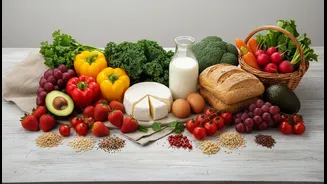
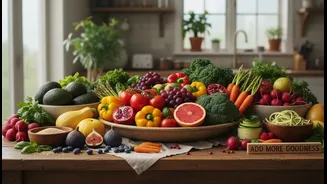
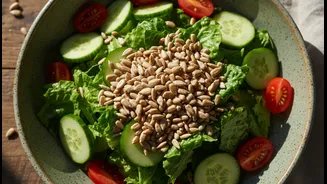
First, let's clear up the confusion. A plant-forward approach is not the same as being vegetarian or vegan. It’s a style of eating where plants—vegetables, fruits, whole grains, nuts, seeds, and legumes—are the star of the show. Animal products like meat,
poultry, fish, and dairy can still be part of your diet, but they play a supporting role rather than taking centre stage. Think of it as a shift in perspective: instead of building a meal around a piece of meat, you build it around a foundation of plants. It's an inclusive and flexible way to eat that celebrates abundance.
It's About Ratios, Not Restriction
The practical application of plant-forward eating is all about adjusting proportions. You don’t need to eliminate; you simply recalibrate your plate. Imagine your favourite mutton rogan josh. Instead of the usual amount of meat, you might use slightly less and increase the quantity of vegetables, or perhaps add chickpeas to make the dish just as hearty. A chicken biryani could be loaded with more carrots, beans, and peas, making the dish more vibrant and nutritious while still delivering the flavour you crave. This approach, sometimes called 'flexitarian', allows you to enjoy the health benefits of eating more plants without feeling deprived. The goal is progress, not perfection.
Simple Swaps for Familiar Favourites
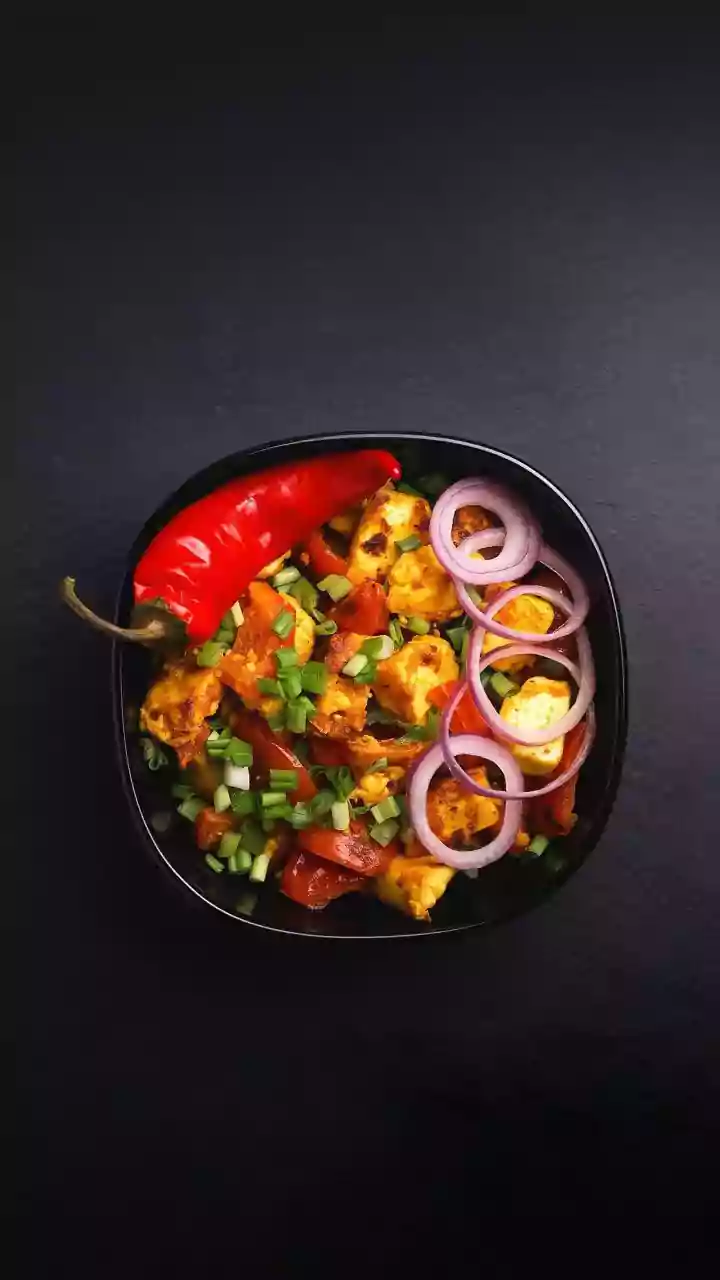
Starting a plant-forward journey is easiest when you adapt the meals you already know and love. Instead of a full-meat keema, try making it with half minced meat and half mashed lentils or crumbled paneer. This 'blended' approach works beautifully in dishes where the texture is already fine. Another easy win is using legumes as a base. Hearty beans and lentils can replace some or all of the meat in a rich curry or soup, providing ample protein and fibre that keeps you feeling full and satisfied. You could also explore traditional Indian dishes that are naturally plant-forward, from dal makhani and chana masala to baingan bharta and vegetable korma.
The Power of 'Crowding Out'
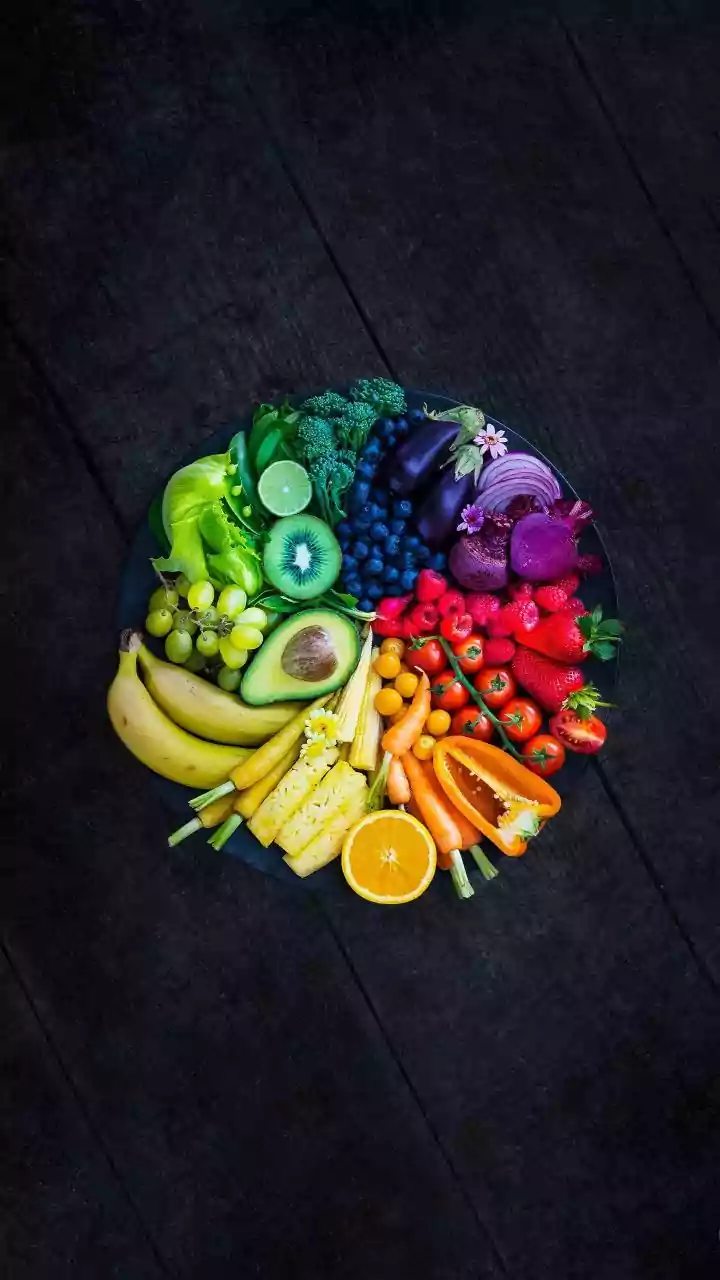
A less intimidating way to shift your eating habits is to focus on adding rather than subtracting. Instead of worrying about eating less meat, concentrate on adding more plants to every meal. Add a handful of spinach to your morning omelette, snack on fruit and nuts instead of packaged biscuits, or start dinner with a hearty vegetable soup or a colourful salad. By consciously adding more nutrient-dense plant foods, you naturally “crowd out” the less healthy options. You’ll find yourself feeling fuller on fibre-rich foods, leaving less room for large portions of animal products without making it feel like a sacrifice.
The Health and Environmental Perks
Embracing a plant-forward lifestyle comes with significant benefits. Diets rich in fruits, vegetables, and whole grains are linked to a lower risk of chronic conditions like heart disease, type 2 diabetes, and certain cancers. The high fibre content supports a healthy gut and can aid in weight management. Beyond personal health, this way of eating is also kinder to the planet. Raising livestock requires vast amounts of land and water and is a significant contributor to greenhouse gas emissions. By shifting the balance on your plate, you contribute to a more sustainable food system.