
Zumba: The High-Energy Calorie Burner
If you think of workouts as a party, Zumba is your invitation. This high-energy fitness program combines Latin and international music with dance moves. Classes are designed to feel fun and engaging, which is a major benefit. The core of Zumba is cardiovascular
exercise. It’s structured with alternating high- and low-intensity intervals, which is an effective way to get your heart rate up, improve endurance, and burn calories. A typical hour-long Zumba class can burn anywhere from 300 to 900 calories, depending on factors like your weight, age, and how intensely you participate. Studies have shown an average burn of around 370 calories per session. This significant calorie expenditure is key for creating the deficit needed for weight loss.
Pilates: The Strength and Core Sculptor
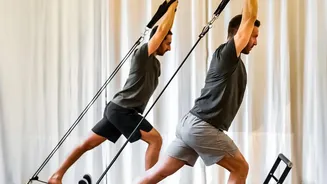
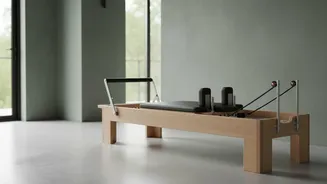
Where Zumba is a high-octane cardio party, Pilates is a focused, controlled practice designed to build strength, improve posture, and enhance flexibility. Developed by Joseph Pilates, this low-impact workout emphasizes core strength, which is crucial for stability and preventing injury. While you might not sweat as much as in a Zumba class, don't mistake it for being easy. Pilates uses bodyweight or specialized equipment to create resistance, which helps to build and tone long, lean muscles. This muscle-building aspect is a secret weapon for weight loss. Muscle is more metabolically active than fat, meaning your body burns more calories at rest the more muscle you have. So, while Pilates may burn fewer calories during the actual workout, it helps to increase your overall metabolic rate over the long term.
The Calorie Question
If you're judging solely by the number of calories burned per session, Zumba generally has the edge. Research has consistently shown that a high-intensity Zumba class burns more calories per minute than a typical Pilates class. This is because Zumba is a form of aerobic exercise designed to keep your heart rate elevated for an extended period. However, this doesn't tell the whole story. Weight loss isn't just about the calories burned in one hour; it's about building a healthier body composition over time. Strength training, like Pilates, contributes to this by building lean muscle mass. This muscle then helps you burn more calories throughout the day, even when you are not exercising.
Cardio vs. Muscle for Sustainable Loss
The debate between Zumba and Pilates mirrors the larger fitness conversation: cardio versus strength training. Cardio is excellent for immediate calorie burn and heart health. Strength training is superior for building muscle, which boosts your resting metabolism. For sustainable fat loss, experts agree that a combination of both is the most effective approach. Relying only on cardio can sometimes lead to muscle loss along with fat, whereas strength training ensures you're preserving that metabolically active muscle tissue. Therefore, pairing a cardio-heavy routine like Zumba with strength-focused work like Pilates could provide the ideal balance for comprehensive fitness and effective weight management.
The Undisputed Winner: Consistency
Ultimately, the most effective workout for weight loss is the one you will do consistently. Both Zumba and Pilates offer significant health benefits, but they won't work if you dread going. The biggest advantage of Zumba is often its enjoyment factor; the music and social atmosphere make people more likely to stick with it. The biggest advantage of Pilates is its focus on mind-body connection, which can reduce stress and improve body awareness, supporting a healthier lifestyle overall. If you love to dance and feel energized by a group setting, Zumba is a fantastic choice. If you prefer a calmer, more precise workout that builds deep strength and leaves you feeling longer and more aligned, Pilates will be a better fit.