






The Great Hydration Debate
Coconut water and buttermilk are staples in Indian households, trusted for generations to provide relief from the heat. While both are excellent hydrating agents, they serve different purposes and offer unique nutritional profiles. The choice between
them isn't about which is definitively better, but which is better for a specific need or moment. The latest understanding moves beyond a simple verdict, focusing instead on how to best utilise each drink's strengths for optimal health and hydration.
The Electrolyte Showdown: Replenishing What's Lost
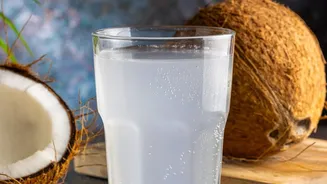
When you sweat, you lose more than just water; you lose essential minerals called electrolytes. Coconut water is often called a 'natural sports drink' precisely for this reason. It is exceptionally rich in potassium, an electrolyte crucial for muscle function and fluid balance. It also contains smaller amounts of sodium, magnesium, and calcium. This makes it an ideal choice for rapid rehydration after light exercise or after spending time in the sun.
Buttermilk, or chaas, also contains electrolytes like potassium. When prepared in the traditional Indian style with a pinch of salt, its sodium content gets a boost, which is vital for replacing the sodium lost through heavy sweating. For pure electrolyte replacement after intense activity, coconut water often has the edge due to its high potassium levels. However, for replenishing sodium during prolonged heat exposure, salted buttermilk is a formidable contender.
For Gut Health and Digestion, Buttermilk Reigns Supreme
Here is where buttermilk truly shines. As a fermented drink, chaas is a natural source of probiotics—the beneficial bacteria that support a healthy gut microbiome. These probiotics aid in digestion, improve nutrient absorption, and can help alleviate common issues like bloating and acidity. The lactic acid in buttermilk also helps to soothe the stomach lining, making it an excellent digestive aid, especially after a heavy or spicy meal. Coconut water, while generally easy on the stomach, does not contain these probiotic cultures. For anyone looking to support their digestive system, buttermilk is the clear winner.
A Look at Calories, Sugar, and Nutrients
For those mindful of their calorie intake, the difference is significant. A cup of fresh, unsweetened coconut water contains roughly 45-60 calories, primarily from natural sugars. Traditional, unsalted buttermilk (chaas) is much lower in calories, with a cup containing around 40 calories, but can be higher if made from full-fat yogurt. Buttermilk also provides a good dose of protein and calcium, which are important for bone health and satiety. Coconut water's profile is lower in protein and calcium but offers other minerals like manganese. So, if you're looking for a more filling, nutrient-dense drink that's low in sugar, buttermilk is often the better choice. If a quick, light energy boost is what you need, coconut water fits the bill.
The Verdict: When to Drink Which?
The smartest approach is to use both drinks strategically. Think of them as tools for different jobs.
Choose Coconut Water when:
- You need to rehydrate quickly after a workout or time in the sun.
- You want a light, low-sodium drink for a quick energy boost.
- You need to replenish potassium levels.
Choose Buttermilk (Chaas) when:
- You want to aid digestion, especially after meals.
- You are looking for a filling, low-calorie drink rich in protein and calcium.
- Your goal is to support your gut health with natural probiotics.