




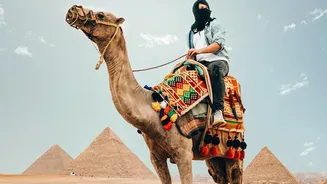
Finding the Sweet Spot for Crowds and Climate
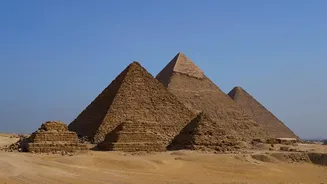
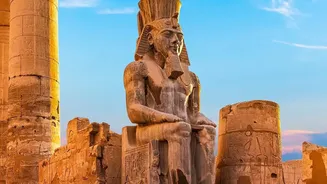
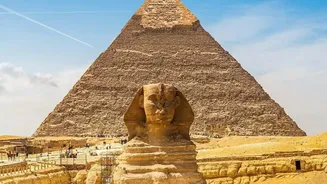
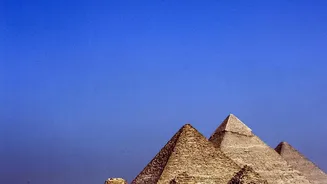
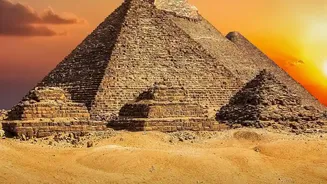
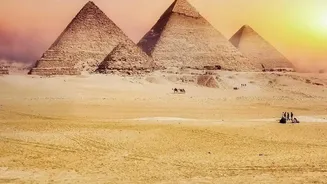
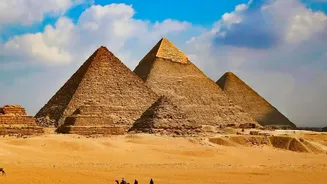
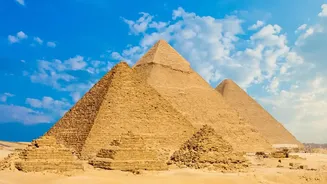
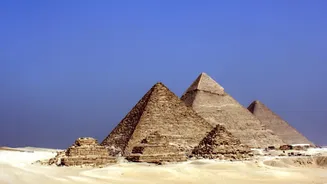
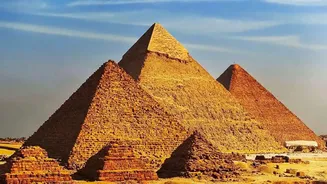
The classic images of Egypt—the Pyramids of Giza, the temples of Luxor—are often shared with thousands of other visitors. Peak season, from November to February, offers pleasant, cooler weather but also the largest crowds and highest prices. For a more
relaxed experience, consider the shoulder seasons of spring (March and April) and autumn (October and November). During these months, the weather remains comfortable for exploring, but the crowds begin to thin out. Visiting major sites like the Valley of the Kings or Karnak Temple early in the morning or later in the afternoon can also help you avoid the peak rush of tour groups, allowing for a more personal connection with these ancient wonders. Summer (May to September) sees the fewest tourists due to intense heat, but it can be a viable option for budget-conscious travellers who plan their sightseeing for the cooler parts of the day.
Making Your Budget Work for You
Egypt remains a relatively affordable destination, but costs can vary significantly depending on when and how you travel. Travelling during the shoulder seasons not only helps with crowds but also often leads to better deals on flights and accommodation. While luxury hotels and Nile cruises offer incredible comfort, a slower itinerary allows you to explore other options. Consider staying in smaller, locally-owned guesthouses, particularly in places like Aswan or Luxor's West Bank. These often provide a more authentic experience and help your money directly support the local community. For transportation between cities, overnight trains can be a cost-effective and atmospheric alternative to domestic flights. A mid-range traveller can expect to spend between $100 and $180 per day, covering comfortable accommodation, meals, transport, and entry fees.
Exploring Beyond the Main Tourist Trail
A slower itinerary allows you the freedom to explore sites that lie beyond the standard tour circuit. While Luxor and Giza are unmissable, some of Egypt's most atmospheric sites receive a fraction of the visitors. The Temple of Hathor at Dendera, for instance, is one of the best-preserved temple complexes in all of Egypt, with a vividly coloured ceiling recently restored to its former glory. Further north, the temple at Abydos tells the story of the earliest pharaohs. For those looking to truly get off the beaten path, a trip to the Fayoum Oasis or the city of Alexandria offers a glimpse into different layers of Egyptian history, from Greco-Roman ruins to the unique pottery of Tunis Village. These detours enrich your understanding of the country's vast and varied heritage.
The Art of a Slower Itinerary
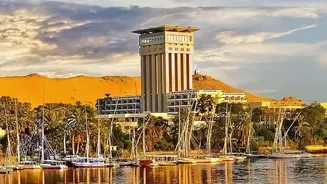
Slow travel in Egypt means resisting the urge to see everything in one trip. Instead of rushing from city to city, choose a few key bases and explore them deeply. Spending three or four nights in Luxor, for example, allows you to dedicate a full day to the West Bank's tombs and temples without feeling rushed, and another to the sprawling complexes of Karnak and Luxor on the East Bank. In Aswan, a slower pace gives you time for a leisurely felucca sail on the Nile at sunset, a visit to a Nubian village, or simply relaxing on Elephantine Island, absorbing the tranquil riverside atmosphere. This approach swaps a frantic schedule for a more immersive and meaningful experience, allowing for spontaneous discoveries and genuine connections.