




Mind the Pungent Foods
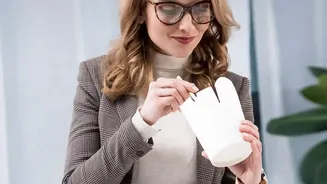
The golden rule of office lunches is to be mindful of smell. That delicious fish or curry you brought from home might be an olfactory assault for your deskmates. Strong food smells are one of the most common complaints in the workplace. What seems fragrant
to you can be distracting or even nauseating to others, especially in an open-plan office with poor ventilation. When packing your lunch, consider how its aroma might travel. Foods like reheated fish, broccoli, strong cheeses, and certain spicy dishes are notorious for lingering long after your break is over. If you are unsure if your food might be too aromatic, it's often best to save it for dinner at home. Opting for less fragrant options like sandwiches, salads, or soups is a simple act of consideration for the shared airspace and your coworkers' comfort.
Clean Up After Yourself, Always
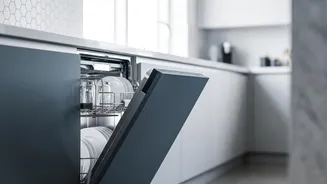
This rule sounds simple, yet the abandoned coffee mug in the sink is a classic office trope for a reason. Leaving dishes in the sink, splattering food in the microwave, or leaving crumbs on the counter are major etiquette faux pas. A dirty kitchen not only looks unprofessional but can also create resentment among colleagues who feel forced to clean up after others. Worse, it can become a hygiene issue, creating a breeding ground for bacteria. The rule is straightforward: if you make a mess, clean it up immediately. Wipe down the counter, wash your dishes and utensils, and properly dispose of any waste. If you use the microwave and it gets messy, a quick wipe-down prevents your splatter from being cooked onto the surface by the next user. Think of the shared kitchen as an extension of your professional space; keeping it tidy shows respect for the company and for everyone who uses it.
Respect the Shared Appliances
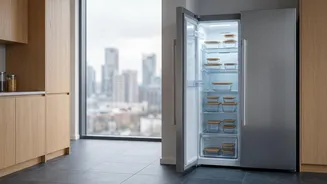
The office refrigerator and microwave are communal resources, not personal storage units. When it comes to the fridge, don't monopolize the space. Avoid bringing in a week's worth of lunches at once, which leaves little room for others. A critical part of fridge etiquette is labelling your items with your name and the date. This helps prevent accidental food theft and makes it easier during the inevitable weekly clean-out. Many offices have a policy to throw out all unclaimed or expired items at the end of the week to prevent mouldy science experiments from taking over. For the microwave, always reset the timer after you're done. No one wants to discover your leftover 30 seconds when they're trying to heat their own meal. Common courtesy goes a long way in preventing appliance-related disputes.
Keep the Noise to a Minimum
Your lunch break might be your time to unwind, but for others, it's still the middle of a focused workday. If you eat at your desk, be mindful of the noise you're creating. Loud chewing, slurping, or crunching on noisy foods like chips can be incredibly distracting for those around you. The same goes for the packaging; rattling bags and crinkling wrappers can also break a colleague's concentration. Beyond eating sounds, keep your conversations at a reasonable volume, especially if you're eating with a group in a designated breakroom that is adjacent to work areas. While socialising with coworkers is a positive part of office life, remember that not everyone is on break at the same time. Using headphones for a video or call is a must. A quiet lunch is a respectful lunch.
Don't Be a Food Thief
It may seem obvious that you shouldn't eat food that doesn't belong to you, but the mystery of the disappearing yoghurt is a frequent office kitchen drama. Taking something from the shared fridge that you did not bring is unacceptable. Even if it looks like it's up for grabs, it is always best to ask before helping yourself. This is where labelling becomes essential. Clearly marked containers prevent honest mistakes and deter intentional food swipers. If your office frequently has leftover food from meetings that is available to everyone, make sure there is a designated area or clear communication so people know what is communal and what is personal property. Respecting people's personal food items is a fundamental part of showing basic respect and maintaining trust within the team.