


The Popular Timing Myth
Many people advocate for bananas in the morning, claiming their natural sugars provide a quick energy lift. On the flip side, some advise against eating them at night. Traditional Ayurvedic perspectives, for instance, suggest that eating a heavy fruit
like a banana late at night, when metabolism is slower, can lead to mucus production or digestive issues for some individuals. While bananas do contain nutrients like magnesium and tryptophan that can promote relaxation and sleep, the truth is that for most healthy people, there's no strict universal rule. The arguments for or against a specific time are often secondary to more influential factors that determine how your body uses the fruit.
Ripeness Matters More Than Time
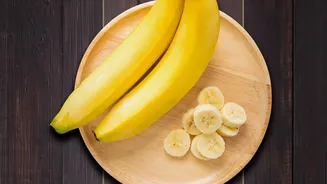
A far more critical question to ask is: how ripe is your banana? The nutritional profile of a banana changes significantly as it matures. A green, underripe banana is high in resistant starch, a type of fibre that your body doesn't digest. This starch acts as a prebiotic, feeding the good bacteria in your gut and promoting digestive health. Because it slows down digestion, it also helps prevent sharp spikes in blood sugar, making greener bananas a better choice for those managing blood sugar levels. As a banana ripens and turns yellow with brown spots, that resistant starch converts into simple sugars. This makes it taste sweeter, easier to digest, and a source of quicker energy. However, this also means it has a higher glycemic index, which can cause a faster rise in blood sugar compared to its greener counterpart.
Why You Shouldn't Eat Bananas Alone
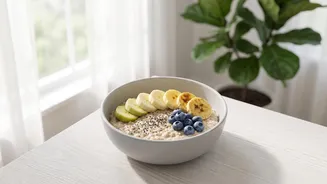
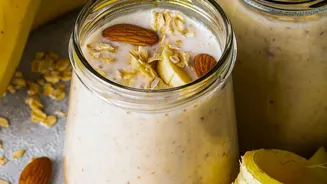
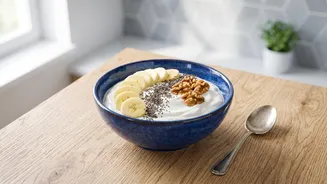
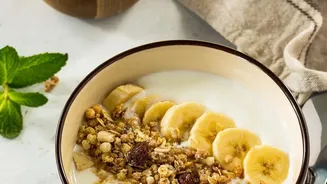
Perhaps the most impactful strategy for eating bananas has nothing to do with time or ripeness, but with what you eat alongside them. On its own, a banana—especially a ripe one—is primarily a source of carbohydrates. Eating it solo can lead to a rapid increase in blood sugar, followed by a potential energy crash a short while later. The secret is to pair it with a source of protein and healthy fat. This could be a handful of nuts, a spoonful of peanut butter, or a serving of Greek yogurt. Protein and fat slow down the digestion and absorption of the banana's sugars. This simple combination transforms the fruit from a quick sugar hit into a balanced, satisfying snack that keeps you fuller for longer and provides sustained energy.
Your Personal Health Is the Real Guide
Ultimately, the best way to eat a banana is determined by your individual body and health goals. If you have type 2 diabetes or are sensitive to blood sugar fluctuations, paying close attention to ripeness and always pairing your banana with protein and fat is essential. Someone looking for a quick energy source before a workout might prefer a ripe banana, while someone focused on gut health and satiety may opt for a greener one. Similarly, if you find that eating a banana at night feels heavy or causes digestive discomfort, it’s best to enjoy it earlier in the day. If it helps you sleep and causes no issues, there’s no scientific reason to avoid it. Listening to your body’s signals is more valuable than following a generic rule.