






Beyond the Metros: A New Coffee Map
For years, the premium coffee experience in India was concentrated in the bustling lanes of Mumbai, Delhi, and Bengaluru. However, the landscape is changing rapidly. International giants like Starbucks and homegrown specialty brands such as Blue Tokai,
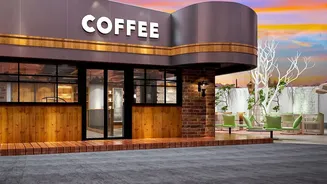
Third Wave Coffee, and Barista are aggressively expanding into cities like Lucknow, Jaipur, Chandigarh, and Patna. This expansion signifies a strategic pivot from saturated Tier-1 markets to regions with untapped potential. Brands are discovering a thirsty audience ready for premium experiences. Starbucks, for instance, plans to grow to over 1,000 stores by 2028, with a significant focus on these emerging cities, while Barista aims for 900 outlets by 2030, driven by the same strategy.
Drivers of the New Brew
This expansion isn't happening in a vacuum. It's fuelled by a convergence of powerful economic and social forces. Rising disposable incomes, increased exposure to global trends via social media, and a young, aspirational demographic are key drivers. Younger consumers in these cities, influenced by Instagram aesthetics and digital content, no longer see coffee as just a beverage but as a lifestyle statement and a medium for socialising. Furthermore, the rise of remote work has meant that many young professionals are staying in or returning to their hometowns, bringing their metro-honed tastes and consumption habits with them. This creates a ready-made market for brands offering a sophisticated café experience.
More Than a Cup: Selling an Experience
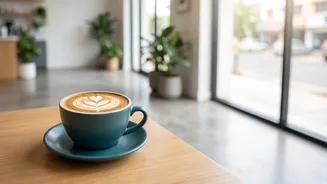
For these consumers, a café is more than just a place to get a caffeine fix; it is a 'third place' between home and work. These establishments are becoming vibrant social hubs, co-working spaces, and venues for community events. In many smaller cities, a premium coffee shop offers a taste of cosmopolitan life, a space where people can connect, work, and relax. Brands understand this and are curating experiences that go beyond the menu, focusing on ambiance, community engagement, and creating a sense of belonging. The success in these markets often depends on building a community, a feeling that can be more pronounced and valuable in smaller towns than in the fast-paced anonymity of a megacity.
The Grounds for Challenge
Despite the immense opportunity, the path is not without its hurdles. Price sensitivity is a major factor. A ₹300-400 cup of coffee represents a different level of spending in a Tier-2 city compared to a metro. Brands must carefully balance their premium positioning with pricing that is accessible enough to encourage regular visits, not just occasional splurges. Competition also comes from established local cafes and the deeply ingrained tea culture that still dominates many regions. Moreover, operational challenges such as supply chain logistics, high real estate costs in prime areas, and finding skilled staff can complicate expansion.
The Future is Frothy and Caffeinated
The strategic push into Tier-2 and Tier-3 cities is more than just a business trend; it’s a barometer of India's evolving economic and cultural identity. The success of these premium coffee chains will depend on their ability to localise their offerings, manage costs effectively, and genuinely connect with a new wave of Indian consumers. Some chains are finding that these smaller markets can even be more profitable due to lower rents and less competition, creating a demand-supply gap that favors early movers. This expansion is not just reshaping the coffee industry but also creating local employment and signalling the arrival of a new, confident consumer class across the country.