

Millets: The Sustainable Super Grain
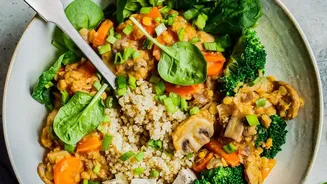
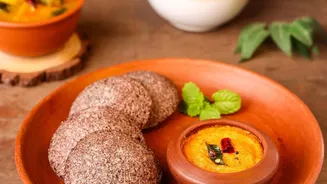
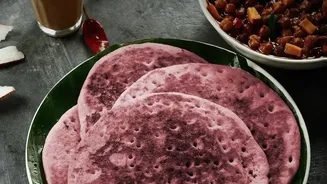
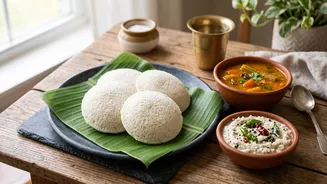
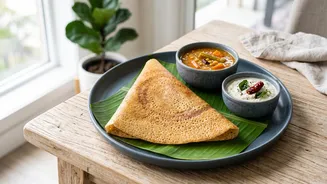
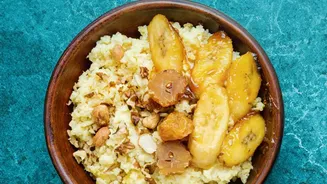
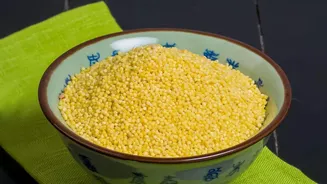
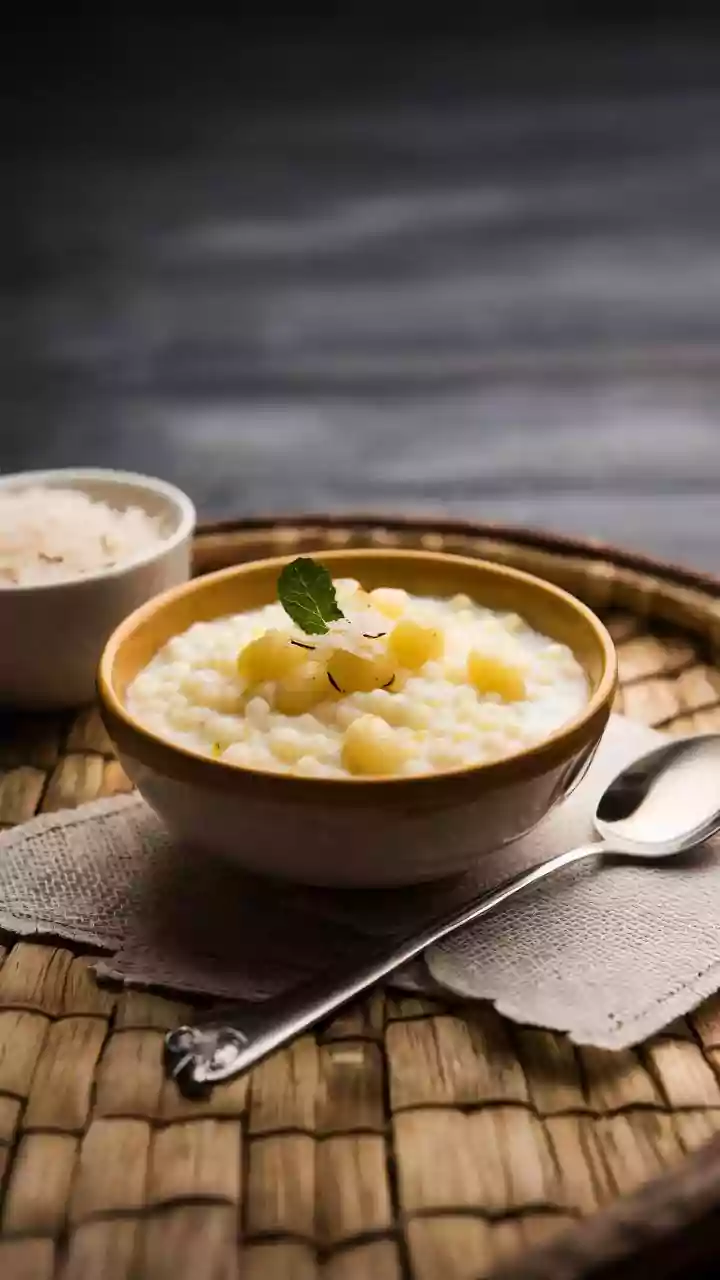
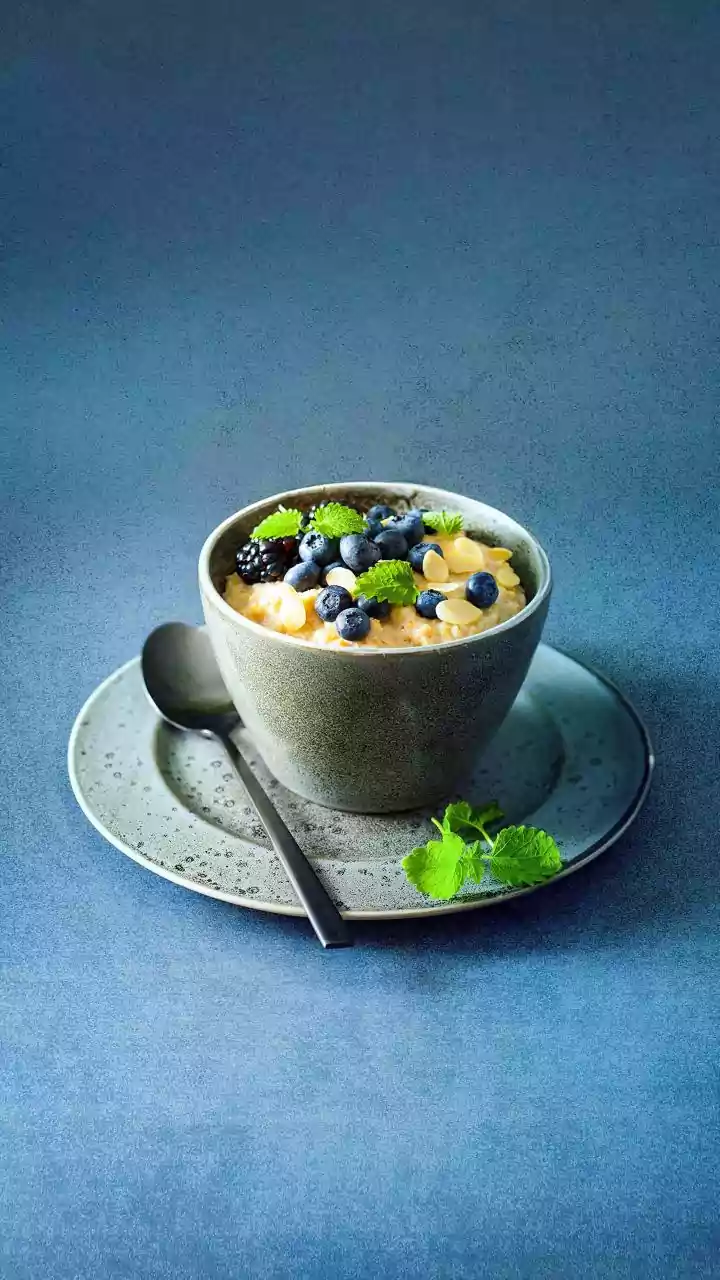
Not long ago, millets like jowar, bajra, and ragi were sidelined by the dominance of wheat and rice, a shift that began decades ago during the Green Revolution. But now, these ancient grains are being celebrated for their resilience and nutritional might.
A major catalyst for this revival was the United Nations declaring 2023 the International Year of Millets, an initiative led by India to boost global awareness. The renewed interest is well-founded. Millets are a nutritional powerhouse, naturally gluten-free, high in dietary fibre, protein, and essential minerals like iron. Their low glycemic index makes them particularly beneficial for managing blood sugar levels, addressing the rise of lifestyle diseases. Beyond health, millets are also incredibly sustainable. They are hardy crops that require significantly less water than rice and wheat and can thrive in arid conditions without heavy reliance on fertilizers, making them an environmentally friendly choice for farmers. This combination of health benefits and climate resilience has captured the attention of a new generation of health-conscious consumers.
Ghee: The Golden Elixir Re-evaluated
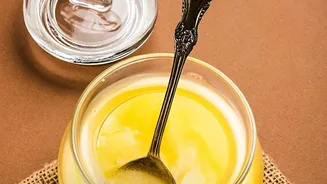
For years, ghee was viewed with suspicion by modern nutrition, often criticized for its high saturated fat content. However, a cultural and scientific reassessment is underway, bringing this 'liquid gold' back into favour. This comeback is partly driven by a renewed appreciation for ancestral diets and Ayurvedic wisdom, where ghee is considered a nourishing, or 'sattvic', food. Science is beginning to catch up with tradition. Ghee is a rich source of fat-soluble vitamins like A, D, E, and K. It is also a source of butyric acid, a short-chain fatty acid that supports gut health and digestion. The process of making ghee removes milk solids, rendering it virtually lactose-free and suitable for many people with dairy sensitivities. Furthermore, its high smoke point makes it a stable and versatile cooking fat, ideal for Indian culinary techniques without breaking down into harmful compounds. As consumers move away from heavily processed vegetable oils, ghee is being rediscovered as a more natural and flavourful alternative.
Pickles: A Tangy Boost for Gut Health
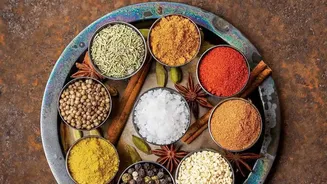
The humble 'achar' has always been a staple on the Indian dining table, but its revival is tied to a global fascination with gut health and fermented foods. While not all pickles are the same, traditionally prepared Indian pickles that undergo natural fermentation are teeming with probiotics. These beneficial bacteria are crucial for maintaining a healthy gut microbiome, which in turn influences everything from digestion and nutrient absorption to immunity. The global wellness community's focus on fermented foods like kimchi and kombucha has cast a new light on traditional Indian pickles. Consumers are realizing that the age-old practice of fermenting vegetables and fruits in salt and spices offers similar probiotic benefits. Beyond probiotics, Indian pickles are also a source of antioxidants and vitamins from the vegetables, fruits, and spices used, such as turmeric, fenugreek, and mustard seeds. This blend of flavour, tradition, and gut-friendly properties is helping pickles shed their reputation as just a salty condiment and be seen as a functional food.