



Raj Bhawan: A Gothic Masterpiece
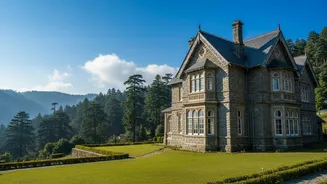
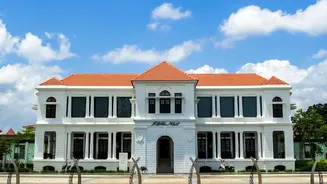
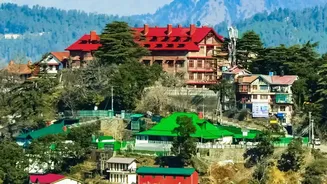
Modelled on Buckingham Palace, the Raj Bhawan is a stunning example of Victorian Gothic architecture. Built in 1899 as the summer residence for British governors, this sprawling two-storey mansion boasts 113 rooms, intricate woodwork, and imposing turrets.
Designed by architect F.W. Stevens, it feels like a Scottish castle transported to the Kumaon hills. Today, it serves as the official residence of the Governor of Uttarakhand. While entry is regulated, its magnificent facade and sprawling lawns can be admired, offering a glimpse into the grandeur of the British Raj.
St. John in the Wilderness: A Serene Sanctuary
One of the earliest buildings in Nainital, this church, established in 1844, is a haven of peace. Its Neo-Gothic architecture, complete with beautiful stained-glass windows, is nestled amidst a dense deodar forest, giving it an ethereal feel. The church was named by the Bishop of Calcutta, who had to stay in an unfinished hut in the forest while laying its foundation. It also holds a poignant piece of history: a brass plaque inside memorialises the victims of the catastrophic 1880 landslide.
Gurney House: In the Footsteps of a Legend
Unlike the imposing official buildings, Gurney House offers a more intimate story. This was the home of the legendary hunter-conservationist and author, Jim Corbett. Built in 1881, the charming British-style cottage, with its stone walls and sloping roof, retains much of its original character. Corbett and his sister lived here until they left for Kenya in 1947. Now a private residence, the owners often welcome visitors by appointment, allowing them to see Corbett's furniture and feel the history within its walls.
Uttarakhand High Court: From Secretariat to Justice
This magnificent Gothic structure, with the stunning Naina Peak in its background, has been a seat of power for over a century. Constructed in 1900 as the Old Secretariat for the United Provinces, its impressive design was created by F.W. Stevens, the same architect behind the Raj Bhawan. The earthquake-resistant building transitioned into its modern role as the High Court of Uttarakhand when the state was formed in 2000. Its grand architecture serves as a powerful symbol of continuity and the rule of law.
Balrampur House: A French-Style Royal Retreat
Once the summer palace of the Maharajas of Balrampur, this property brings a touch of French aristocratic flair to the Himalayas. Originally built in the 1880s, it was redesigned in the 1930s by a European architect in the style of a French château. Now operating as a heritage hotel, staying here offers a unique opportunity to experience royal history firsthand. The blend of regal Indian history and European architectural aesthetics makes it a standout property in Nainital.
The Boat House Club: A Lakeside Legacy
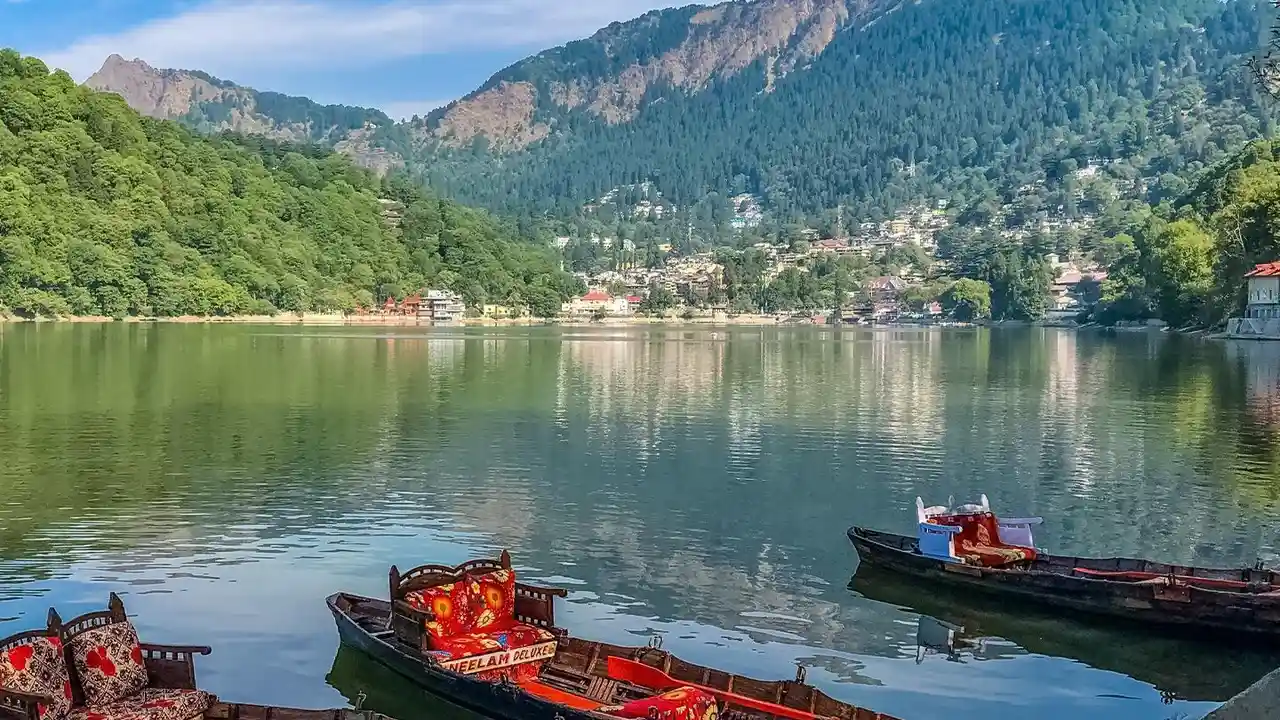
No trip to Nainital is complete without visiting the iconic Naini Lake, and the Boat House Club is its most distinguished landmark. Established in the late 19th century, it was a premier social hub for the British elite. The club's distinct wooden structure, sitting right on the water, exudes a timeless colonial charm. While primarily a members' club, it often allows temporary access to visitors. It singularly manages the unique tradition of yachting on the lake, a practice that has continued for over a century.
Metropole Hotel: A Story of Lost Grandeur
The story of the Metropole Hotel is a bittersweet one. Once one of Nainital's oldest and most luxurious hotels, it famously hosted Mohammad Ali Jinnah for his honeymoon in 1918. Built in 1880, its unique 'Nainital-pattern-roofing' was widely copied. After Partition, it was declared 'enemy property' and fell into disrepair over decades. Today, the dilapidated structure stands as a ghost of its former self, with its grounds recently being allocated for use as a much-needed parking facility, marking a practical but poignant end to a storied past.