


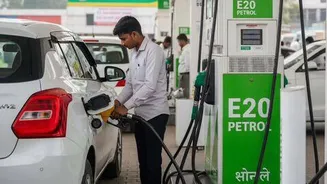


What Exactly is E20 Fuel?
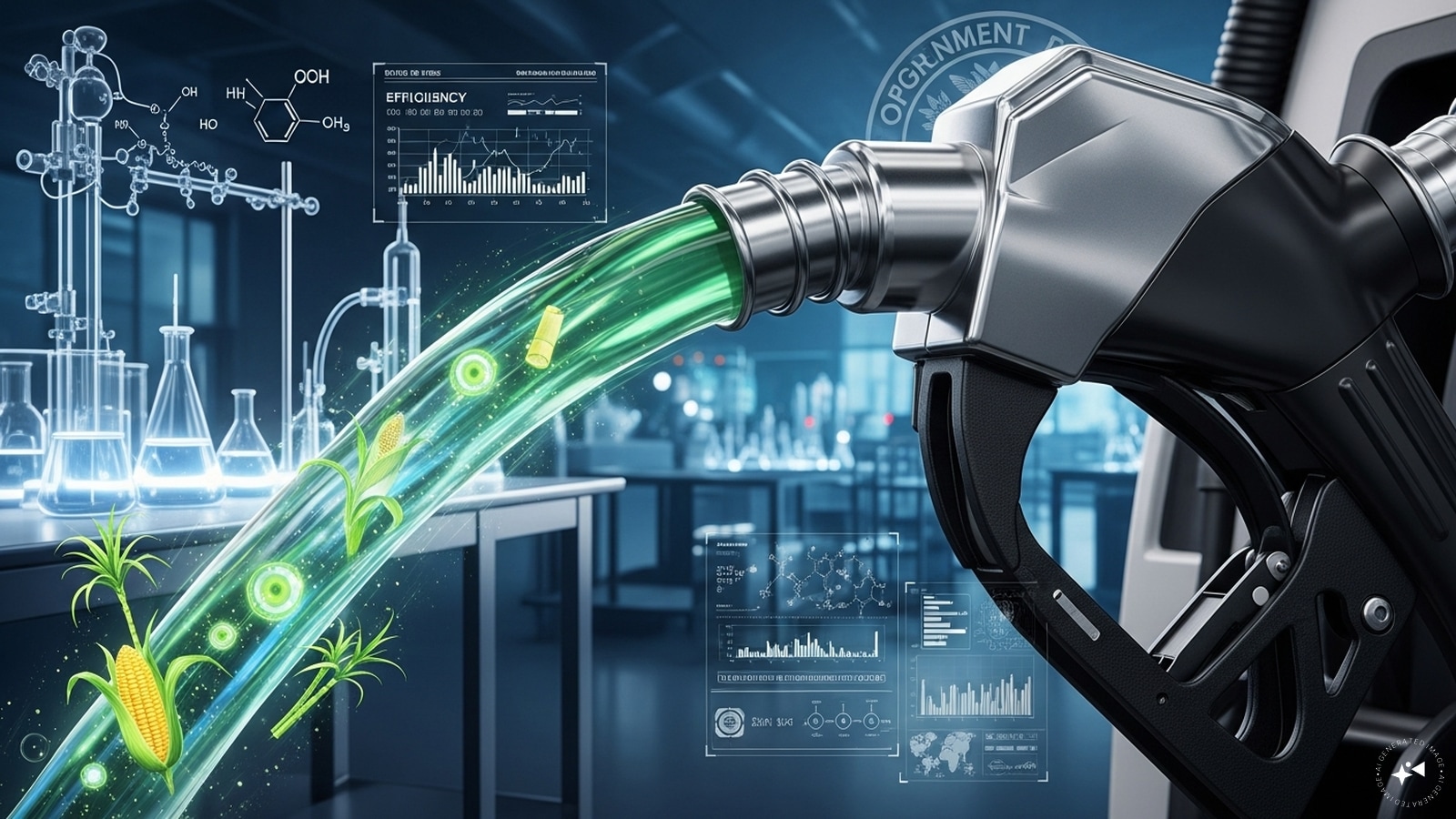
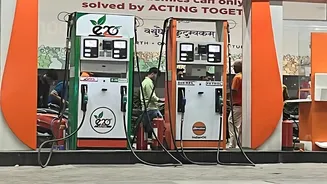
E20 is a blend of 80% petrol and 20% ethanol. India has rapidly rolled out this fuel nationwide, achieving its 20% blending target years ahead of schedule. The primary goals behind this policy are to reduce the country's massive oil import bill, lower
carbon emissions, and create a stable market for agricultural produce like sugarcane and maize, from which ethanol is made. For the average driver, this means the petrol you fill in your car is no longer the same as it was a few years ago. While most cars manufactured after April 2023 are designed to be fully compatible with E20, many older vehicles are also running on it without major issues.
The Science Behind the Mileage Drop
The core reason for the slight dip in fuel efficiency lies in basic chemistry. Ethanol has a lower energy density than petrol, meaning a litre of ethanol contains less energy than a litre of petrol. When you have 20% of the blend as ethanol, the overall energy content of the fuel is slightly reduced. As a result, the engine needs to burn slightly more E20 fuel to produce the same amount of power as it would with lower ethanol blends, leading to a minor drop in kilometres per litre. The Indian government has acknowledged this, stating that the reduction in fuel economy for some vehicles is generally marginal, around 3-5%.
Calculating the Real-World Impact
A 3-5% drop might sound insignificant, but it translates into tangible costs for those who spend a lot of time on the road. Let's do the math with a conservative 4% mileage reduction. Imagine your car typically delivers a mileage of 16 kilometres per litre (km/l) with older, lower-blend petrol. With E20, a 4% drop would reduce your mileage to approximately 15.36 km/l. Now, consider a daily commute of 70 kilometres. On the older fuel, you would have used 4.375 litres. On E20, you would need about 4.55 litres for the same distance. That's an extra 0.175 litres of fuel every day.
How This Affects Your Annual Budget
This small daily increase in fuel consumption directly impacts your wallet. Assuming a petrol price of ₹105 per litre, that extra 0.175 litres per day costs you an additional ₹18.37. If you commute for 25 days a month, that's roughly ₹460 extra on your monthly fuel bill. Annually, this amounts to over ₹5,500. For professional drivers, sales representatives, or anyone with a monthly run of over 2,000 kilometres, this figure can easily double, turning a seemingly small mileage drop into a significant yearly expense of ₹10,000 or more. This is why a per-litre drop that seems trivial at the pump becomes a noteworthy cost over time for high-kilometre users.
Can You Offset the Difference?
While you can't change the fuel, you can adopt driving habits that maximise fuel efficiency. Simple practices like maintaining steady speeds, avoiding sudden acceleration and braking, ensuring correct tyre pressure, and regular vehicle servicing can help mitigate the minor loss from E20 fuel. The government has highlighted that E20 offers other benefits, such as a higher octane rating, which can lead to smoother engine performance and reduced knocking. However, for drivers primarily concerned with running costs, the financial impact of the mileage drop remains a key consideration in their daily budgeting.