






Protein Is Good, But It’s Not Everything
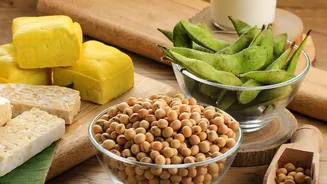
During Sawan fasting, there's a growing awareness of including protein-rich foods to avoid weakness and hunger pangs. Staples like paneer (cottage cheese), dairy products such as milk and curd, and various nuts and seeds are excellent choices. Protein
is crucial because it promotes satiety, helping you feel full longer and preventing energy crashes between meals. It also supports muscle health, which is important when your eating patterns change. However, relying solely on protein is a common mistake. A diet heavy in protein but lacking other essential nutrients can still leave you feeling drained. The goal of a sattvic fast is to feel light and focused, not sluggish or depleted. Think of protein as the foundation, but a house needs walls and a roof to be complete.
The Essential Energy of Carbohydrates
Carbohydrates are the body's primary and most direct source of fuel. Avoiding them entirely during a fast is a recipe for fatigue. The key is to choose the right kind of carbohydrates—complex carbs that provide slow-releasing energy. Vrat-friendly flours like kuttu (buckwheat), singhara (water chestnut), and rajgira (amaranth) are fantastic options. These are not just empty calories; they are packed with fibre, vitamins, and minerals. Similarly, sabudana (tapioca pearls) and samak rice (barnyard millet) are popular for a reason—they are easy to digest and provide the energy needed for daily activities and prayers. Combining these with vegetables like potato, sweet potato, or bottle gourd creates a well-rounded meal that fuels your body and mind without causing sharp spikes and dips in blood sugar.
Don't Underestimate Hydration
Fasting during the humid monsoon season makes hydration incredibly important, yet it is often overlooked. Dehydration can quickly lead to headaches, dizziness, and fatigue, which can interfere with both your spiritual practice and daily responsibilities. Water is essential, but you should also include other hydrating fluids. Coconut water is an excellent choice as it helps replenish electrolytes lost through sweat. Buttermilk (chaas) and fresh milk are also great options that provide hydration along with protein and calcium. While fresh fruit juices can be included, it's best to consume them without added sugar. Avoiding caffeinated beverages like tea and coffee is also advisable, as they can contribute to dehydration.
Embrace Variety for a Nutrient-Rich Vrat
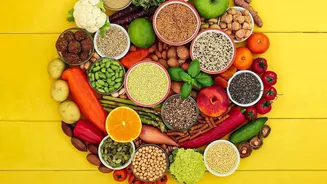
Eating the same one or two dishes every fasting day can lead to nutritional gaps. A varied diet ensures you get a wide spectrum of micronutrients—vitamins and minerals—that are essential for overall health. During Sawan, nature provides an abundance of vrat-friendly fruits and vegetables. Incorporate a rainbow of fruits like bananas, apples, pomegranates, and papayas into your diet. For meals, mix and match different vegetables like pumpkin, bottle gourd (lauki), and arbi (colocasia). A simple way to ensure variety is to plan your meals. A fruit chaat for one snack, roasted makhana (fox nuts) for another. A meal of kuttu ki puri with aloo sabzi one day, and samak rice with a paneer curry the next. This variety not only keeps your meals interesting but also nourishes your body comprehensively, making your fast a truly rejuvenating experience.