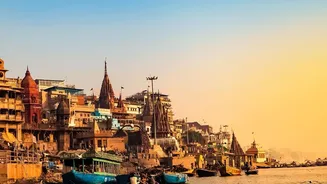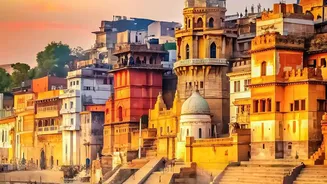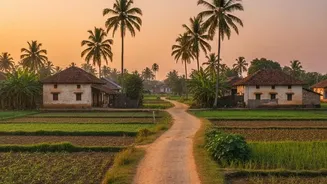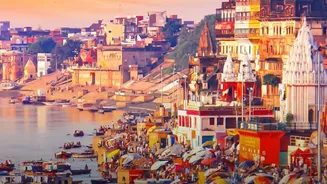





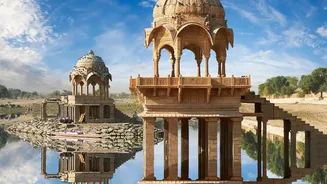


In a major nod to its growing global appeal, India has been crowned Travel + Leisure's Destination of the Year for 2027. This prestigious award celebrates the nation's incredible diversity, but what does it say about how travel is changing?
More Than a Title
The 'Destination
of the Year' award by Travel + Leisure is a significant honour in the global travel industry. Unlike rankings based on sheer numbers, this selection highlights a country that captures the current spirit of travel, offering meaningful, diverse, and high-quality experiences. For India, this recognition moves beyond just the iconic Taj Mahal, spotlighting a nation that has successfully blended its ancient heritage with modern demands for luxury, wellness, and authentic cultural immersion. The award's editors praised India for providing deeply immersive experiences, from its royal palaces and vibrant festivals to its world-class hospitality that ranges from historic hotels to modern wellness retreats.
A Land of Infinite Variety
The core reason for the win is India's unparalleled diversity. A single trip can span the Himalayan peaks of Ladakh, the lush backwaters of Kerala, thrilling tiger safaris in Madhya Pradesh, and the serene beaches of the Andaman or Lakshadweep islands. The 2027 award specifically highlights this variety, encouraging travellers to look beyond the famous Golden Triangle. It brings attention to the grand 19th-century mansions of Chettinad in Tamil Nadu, the living root bridges of Meghalaya, and the cultural tapestry of Nagaland's Hornbill Festival, showcasing a country with countless stories to tell.
The Rise of Experiential Travel
The award also reflects a major shift in what travellers are looking for. The trend is moving away from simple sightseeing towards meaningful experiences. India has become a global hub for wellness tourism, with searches for 'wellness travel India' seeing a massive 1,600 per cent increase, according to Google Trends. The country's ancient traditions of Ayurveda and yoga, particularly in destinations like Kerala and Rishikesh, are now mainstream attractions for those seeking balance and rejuvenation. This is complemented by a growing demand for sustainable, eco-friendly travel choices, with a significant number of travellers prioritizing hotels and tours that benefit local communities and the environment.
Luxury Redefined
India's luxury market is no longer just about opulent palace hotels, though it has some of the world's best. The new luxury is about exclusivity and unique, personalised experiences. This can mean private heritage walks with historians, bespoke culinary tours, or gaining special access to cultural events. Travellers are increasingly seeking out intimate, sustainable experiences like staying in eco-lodges or taking guided tours in small groups for wildlife safaris. This evolution in luxury travel, which prioritizes memories and personal enrichment over simple opulence, has positioned India as a leader in the high-end experiential market.
Exploring the Hidden Gems
Perhaps the most exciting trend highlighted by the award is the growing interest in India's lesser-known destinations. Recent travel data shows a 400 per cent spike in searches for 'hidden gems India', indicating a desire to explore beyond the usual hotspots. Places like the Tirthan Valley in Himachal Pradesh for its riverside escapes, Ziro Valley in Arunachal Pradesh for its unique Apatani culture, and the ancient Harappan site of Dholavira in Gujarat are now on the radar of curious travellers. This shift not only provides more authentic experiences but also helps in promoting a more balanced and sustainable tourism model across the country.