







The City of Green Gold
When you think of guavas in India, one name often comes to mind: Allahabad, now officially known as Prayagraj. The city has earned the moniker 'Guava Capital of India' for its long and storied history of cultivating some of the country's most prized varieties.
It’s a reputation built over generations, rooted in the fertile alluvial soil of the Ganga-Yamuna doab. This region provides the perfect agro-climatic conditions—from soil composition to temperature—that allow guava trees to flourish. The fruit is so integral to the area's identity that it's often affectionately called 'green gold', a nod to the economic prosperity and cultural pride it brings to countless farmers and traders. The city's connection is so deep that even after its renaming, the most famous varieties proudly retain the 'Allahabadi' prefix, a testament to their origin.
Allahabad Safeda: The Crowd Favourite
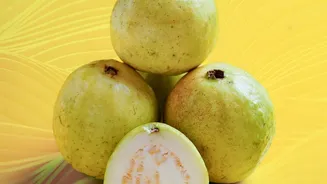
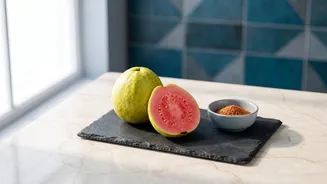
At the heart of Prayagraj's guava fame is the Allahabad Safeda. This is the variety that set the standard and is renowned across the country. It is celebrated for its perfectly round shape, smooth yellowish-white skin, and creamy white flesh. What makes it a perennial favourite for eating fresh is its mildly sweet flavour, pleasant aroma, and soft, edible seeds. The Safeda is not just a table fruit; its firm texture and good keeping quality make it ideal for commercial cultivation and processing into jams, jellies, and juices. Its widespread popularity has made it one of the most cultivated guava varieties, not just in Uttar Pradesh but in other states as well.
Surkha: The GI-Tagged Jewel
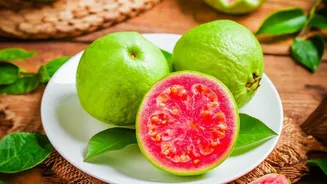
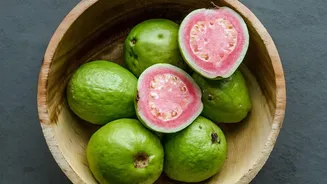
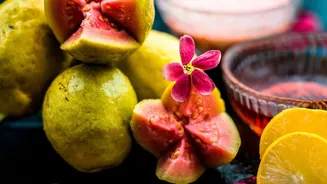
While the Safeda is famous, the Allahabad Surkha is perhaps the most visually stunning and unique. This variety is so special that it was granted a Geographical Indication (GI) tag in 2007-08, legally recognizing its distinct origin and quality. The name 'Surkha', meaning red, perfectly describes its apple-red exterior and vibrant, deep-pink flesh. It's known for a sweet, distinctly strong flavour and having fewer seeds than its white-fleshed cousin. Legend in the region suggests that the closer an orchard is to the Sangam, the more brilliant the red hue of the fruit becomes. This variety is a seasonal winter delight, highly cherished and often sent as a special gift to friends and relatives.
A Spectrum of Flavours
Prayagraj's guava story doesn't end with Safeda and Surkha. The region is home to a host of other varieties, each with its own character. These include the Chittidar, which resembles the Safeda but is speckled with pinkish-red dots on its skin, and the Harijha, a green-skinned, sweet variety. Other notable mentions from the area include Lalit, Sangam, and Narma, which contribute to the rich tapestry of guava cultivation. This diversity is a cornerstone of Prayagraj's reputation, showing that its dominance is built on a wide genetic and flavour profile. The local agricultural ecosystem supports both the iconic white-fleshed and the distinct pink-fleshed guavas, ensuring a rich offering for every palate.
Challenges and the Future
Despite its celebrated status, the guava belt in Prayagraj and the neighbouring Kaushambi district faces modern challenges. Rapid urbanisation is shrinking the land available for orchards. Furthermore, issues like guava wilt disease, fruit fly infestations, and the impacts of changing weather patterns have affected crop yields in recent years. In response, agricultural scientists are introducing new, hardier varieties designed to withstand these pressures. Cultivars like Red Diamond, Awadh Bhushan, and Hisar Safeda are being developed to offer better productivity, disease resistance, and tolerance to higher temperatures. This forward-thinking approach aims to secure the future of guava cultivation, ensuring that the 'City of Green Gold' continues to live up to its name for generations to come.