






When we think of the Ramayana, the names Rama, Sita, and Hanuman come to mind. But the true richness of this epic lies in its supporting cast, whose stories of sacrifice, wisdom, and loyalty are just as powerful. Let's meet them.
Urmila: The Quietest Sacrifice
Lakshmana's decision to
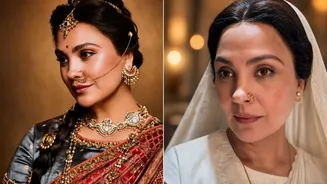
accompany Rama and Sita into exile for fourteen years is a celebrated act of fraternal devotion. But his sacrifice was enabled by another, quieter one made by his wife, Urmila. Sita’s younger sister, Urmila, remained in Ayodhya, enduring a fourteen-year separation from her newlywed husband. While Lakshmana served Rama, Urmila single-handedly managed her duties in the palace, caring for the grieving royal family. Some retellings of the epic state that she took on Lakshmana's share of sleep for all those years, allowing him to stay awake and guard Rama and Sita without rest. This act, known as 'Urmila Nidra', is her unique penance. Her strength was not in overt action but in silent endurance, a powerful form of sacrifice that often goes unnoticed.
Bharata: The Reluctant King
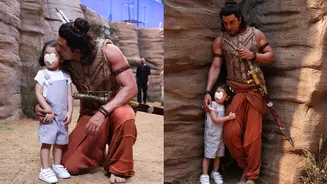
Bharata stands as the moral compass of the Ramayana, a symbol of dharma and selfless loyalty. When his mother, Kaikeyi, orchestrates Rama's exile to make Bharata king, he is horrified. Instead of accepting the throne, he journeys to the forest to plead with Rama to return. When Rama refuses, bound by his father's word, Bharata does something extraordinary. He takes Rama’s wooden sandals (padukas), places them on the throne, and rules Ayodhya not as a king but as a regent for fourteen years. He lives as an ascetic in a nearby village, shunning royal comforts and mirroring his brother's exiled life. Bharata's rule, known as the 'Paduka Rajya' or the kingdom of the sandals, demonstrates that true leadership lies in duty and righteousness, not power.
Mandodari: The Voice of Reason
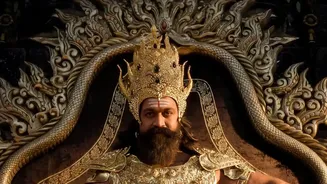
As the queen of Lanka and Ravana's wife, Mandodari is a tragic figure whose wisdom was consistently ignored. Described as beautiful, pious, and righteous, she was Ravana's moral anchor. From the moment Ravana abducts Sita, Mandodari repeatedly warns him of the catastrophic consequences, urging him to return Sita and avoid war. She saw the path of destruction her husband was on, pleading with him to choose dharma over ego. Her advice was not born of fear, but of love and a clear understanding of righteousness. While Ravana was proud of his power, Mandodari's counsel represented a final chance for redemption, which he tragically refused. Her story is a powerful reminder that even in the darkest of places, a voice of reason can exist.
Jatayu: The Noble Protector
The story of Jatayu, the great eagle king, is one of unwavering courage and selfless sacrifice. An old friend of King Dasharatha, Jatayu encounters Ravana as he is abducting Sita. Despite his advanced age, Jatayu does not hesitate to challenge the powerful demon king to protect Sita. He fights valiantly, managing to destroy Ravana's chariot and injure him before his own wings are clipped by Ravana's sword. Mortally wounded, Jatayu holds on to life just long enough to inform Rama and Lakshmana of what happened, telling them that Ravana flew south with Sita. With his final act, he provides the crucial first clue in the search for Sita. Rama, moved by his sacrifice, performs Jatayu's last rites as if for his own father, granting the noble bird a revered place in the epic.
Shabari: The Patient Devotee
Shabari’s tale is a profound lesson in the power of pure, unwavering devotion (bhakti). An elderly tribal woman and a disciple of the sage Matanga, she was told by her guru that she would one day be visited by Lord Rama himself. For years, she waited faithfully, diligently keeping her small ashram clean and daily gathering sweet berries in anticipation of his arrival. When Rama and Lakshmana finally reach her hermitage during their search for Sita, Shabari is overcome with joy. In an act of pure love, she offers them the berries she had personally tasted to ensure they were the sweetest. Overlooking all rules of etiquette, Rama accepts her offering, moved by the sincerity of her devotion. Her story beautifully illustrates that faith and love transcend caste, age, and status.