




The Undisputed Champion: Ladakh’s High-Altitude Allure
When you think of an epic Indian road trip, chances are you picture Ladakh. Its reputation is built on the thrill of conquering the world's highest motorable passes, the surreal beauty of Pangong Tso's changing colours, and the stark, magnificent emptiness
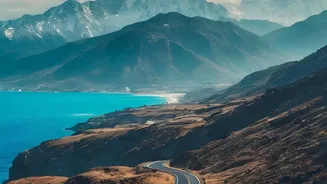
of its cold desert landscapes. Drives from Manali to Leh or Srinagar to Leh are rites of passage, challenging riders and drivers with extreme altitudes, unpredictable weather, and hairpin bends that demand total focus. The reward is a feeling of being on another planet, surrounded by barren mountains, ancient monasteries perched on cliffs, and a profound sense of scale and silence. This is adventure in its rawest form—a test of endurance and a visual feast of minimalist grandeur.
The Emerging Contender: Arunachal’s Green Paradise
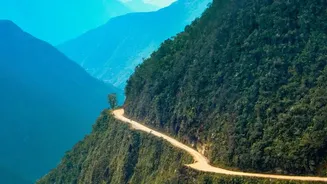
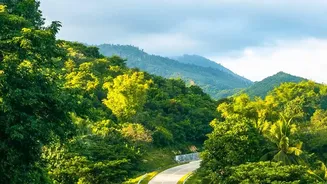
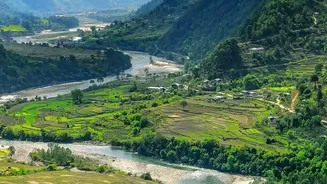
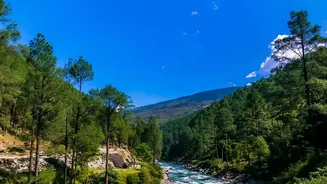
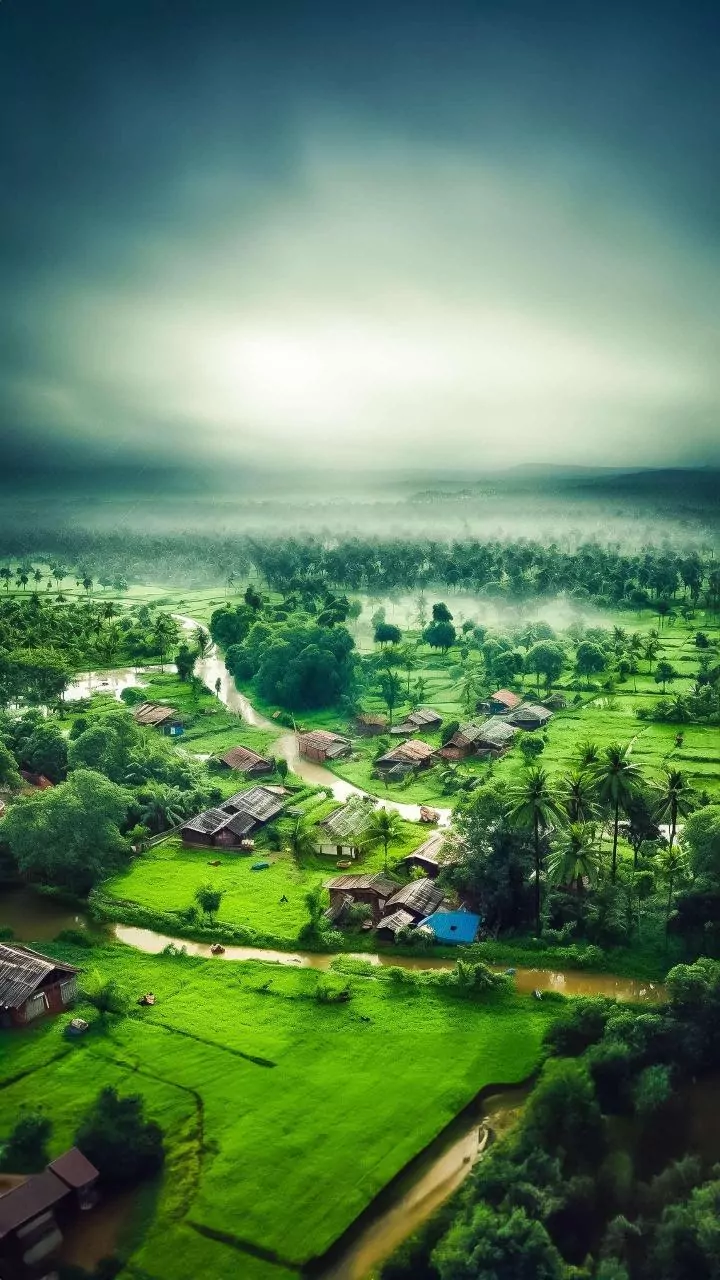
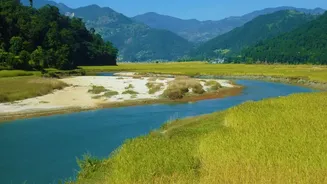
In the country's northeast, a new contender has emerged, and it offers a completely different flavour of Himalayan adventure. The recently popularised route from Dirang to Mago via Jung is quickly gaining a reputation as one of the most scenic drives in the country. Unlike Ladakh's arid majesty, this journey is defined by its vibrant greenery, dense pine forests, and roaring waterfalls. Starting from the quiet town of Dirang, the road winds through lush valleys, crosses the majestic Sela Pass at over 13,000 feet, and descends towards the powerful Jung Waterfall before reaching the remote Mago region. Travellers who have made the journey describe it as a constantly shifting canvas of misty mountains, crystal-clear glacial lakes, and roads that hug fast-moving rivers.
Scenery Showdown: Barren Peaks vs. Lush Valleys
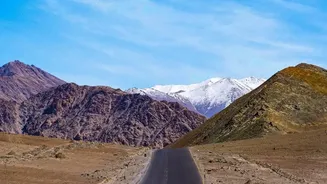
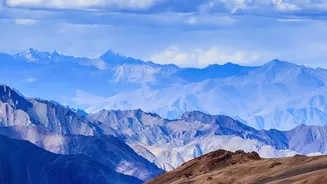
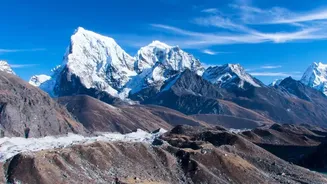
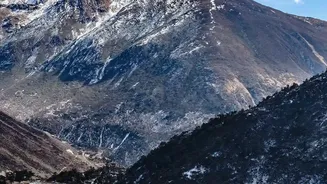
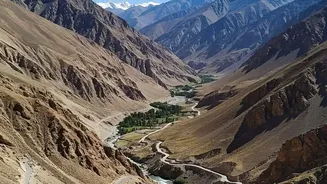
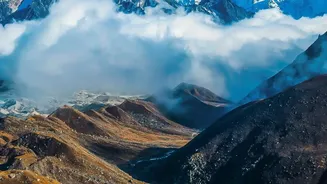
The fundamental difference between the two experiences lies in the landscape. Ladakh’s beauty is stark and dramatic; its mountains are shades of brown, grey, and purple under a vast blue sky. It's a high-altitude desert where the lack of vegetation puts the sheer scale of the geology on full display. In contrast, the Dirang-Mago route is a celebration of abundance. It is a world of endless green, where mountains are cloaked in forests and valleys are carved by powerful rivers. While Ladakh has its iconic lakes like Pangong and Tso Moriri, the Sela Pass region on the Arunachal route is scattered with its own stunning glacial lakes, often perfectly reflecting the snow-dusted peaks surrounding them. It's a choice between the awe of minimalism and the immersion of lush, living wilderness.
The Journey and The Challenge
Both routes present unique challenges. In Ladakh, the primary adversary is altitude. Acclimatisation is crucial, and acute mountain sickness is a real risk for even the fittest travellers. The drives are long and demanding, though major routes are now well-paved. The Dirang-to-Mago drive, which takes about seven to nine hours, is less about extreme altitude and more about navigating remote mountain roads. While travellers praise the excellent road conditions in many stretches, especially near Mago, which some call a "biker's paradise," weather can be a factor. Heavy monsoon rains can affect the roads, and it’s essential to check conditions before setting off. Additionally, all travellers need an Inner Line Permit (ILP) to enter Arunachal Pradesh, which requires advance planning.
Cultural Vistas and Uncrowded Spaces
Beyond the drive itself, the cultural experiences also differ. Ladakh is steeped in Tibetan Buddhist culture, with its iconic monasteries like Thiksey, Hemis, and Diskit being major draws. Arunachal's western region, including Dirang and Tawang, shares this Buddhist heritage but is also home to the unique culture of the Monpa tribe. Perhaps the biggest draw for the Arunachal route right now is its relative obscurity. While Ladakh's main attractions can feel crowded during peak season, the Dirang-Mago drive offers a sense of discovery. It feels like a secret the rest of the country hasn't caught up to yet, providing stunning views without the queues. For many, the greatest luxury is the solitude and the feeling of charting a path less travelled.