






AI from Farm to Supermarket Aisle
Before a product even reaches your shopping cart, AI has likely played a role in its journey. In agriculture, AI is revolutionizing how food is grown. Farmers are using AI-powered tools for 'precision agriculture', which involves using drones and sensors
to monitor crop health, detect diseases early, and apply water and fertilizer with incredible accuracy. This helps maximize yields and reduce waste. Further down the line, AI optimizes complex supply chains by predicting demand, managing inventory, and planning the most efficient delivery routes, ensuring that produce gets from the farm to the store with less spoilage. Even within the supermarket itself, AI helps manage stock and can be used to set prices.
The Upfront Cost of Intelligence
Integrating this sophisticated technology isn't cheap. The food and agriculture sectors are investing heavily in AI, which includes significant upfront costs for hardware like sensors and drones, powerful software, and the development of complex data infrastructure. There's also the high cost of talent; data scientists and machine learning engineers who can build and maintain these systems are in high demand and command large salaries. These implementation costs can be substantial, running from thousands to millions of dollars depending on the scale of the operation. For a long time, the food industry has operated on thin margins, and companies are now looking to AI to protect their profitability in the face of rising input costs for things like energy and packaging. Inevitably, some of these investment costs may be passed on to consumers.
The Efficiency Dividend: Can AI Lower Prices?
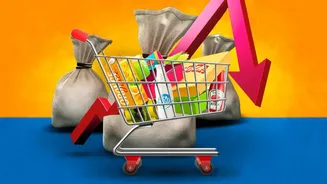
While the initial investment in AI is high, the long-term goal is to create massive efficiencies that could ultimately lower costs. By optimizing every step of the process, AI helps reduce some of the biggest expenses in the food industry: waste and labor. For example, better demand forecasting means companies produce and ship only what's needed, drastically cutting down on spoilage, which has historically been a huge cost. One food producer, for instance, cut waste by 24% and increased cost savings by 38% using AI. Automation of repetitive tasks in processing plants and warehouses can also lower labor costs. In restaurants, AI can track inventory so precisely that it prevents over-ordering and reduces waste, directly protecting profit margins that would otherwise be lost.
The Rise of Dynamic and Personalised Pricing
One of the most direct ways AI could affect your bill is through dynamic pricing. Similar to how airlines and ride-hailing apps adjust fares based on demand, retailers are beginning to use AI to change prices in real-time. This could mean lower prices on items nearing their expiry date to reduce waste, which benefits budget-conscious shoppers. Many major retailers in the US and UK are adopting digital shelf labels that allow for instant price updates. However, this technology also opens the door to personalised pricing, where a retailer might use your shopping history to estimate how much you're willing to pay. This practice has raised concerns about fairness and transparency, as two people could be charged different prices for the same basket of goods. In India, this is constrained by the Maximum Retail Price (MRP) law, which prevents charging above the printed price, but AI is still used to optimize promotions and discounts below that ceiling.