
The Nutritional Divide
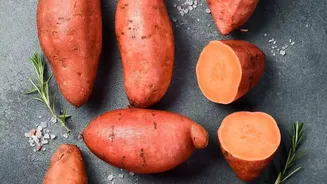
From a nutritional standpoint, neither is strictly 'better', but they serve different goals. If you are watching calories or carbohydrates, butternut squash is the clear winner. A cup of cooked butternut squash has roughly half the calories and carbohydrates of the same
amount of sweet potato. Sweet potato, however, packs more of a punch in other areas. It is higher in protein and dietary fiber, which can help you feel fuller for longer. While both are excellent sources of Vitamin A, sweet potatoes generally contain a higher concentration. Conversely, butternut squash often provides more calcium, potassium, and vitamin E. So, for a lighter side dish, squash is your friend; for a more substantial, protein-rich component, reach for the sweet potato.
Flavor and Texture Profile
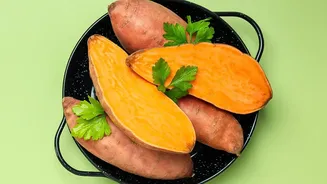
Here is where the kitchen decision really takes shape. Sweet potatoes are noticeably sweeter and have a dense, starchy texture. When roasted, they become creamy inside with deliciously caramelized edges. Butternut squash has a milder, nuttier, and more earthy flavor. It also contains more water, which gives it a slightly looser, silkier texture when cooked and puréed. This difference is crucial: the firm, starchy nature of a sweet potato makes it ideal for holding its shape, while the higher moisture content in butternut squash helps it break down into a smooth, velvety consistency.
Best for Roasting, Soups, and Fries
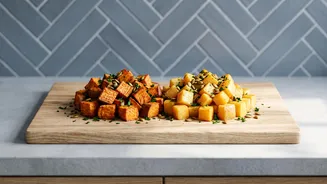
The textural differences directly influence their best uses. For fries, wedges, or any dish where you need the vegetable to hold its shape and get crispy, sweet potato is the superior choice. Its lower water content and higher starch allow it to crisp up beautifully. For soups, butternut squash is the classic go-to for a reason. Its texture lends itself to an incredibly silky and smooth purée without needing much dairy to achieve a creamy feel. When it comes to roasting cubes for a side dish or adding to a salad, both work well, but with a key difference. Butternut squash will become tender and soft faster, while sweet potato cubes will hold their shape a bit better and develop a chewier, caramelized exterior.
A World of Squash Varieties
It is important to remember that 'squash' is a vast category. While this guide focuses on the common butternut squash, other varieties offer different experiences. Acorn squash, for instance, is nutty and slightly less sweet, with a firmer flesh that makes it perfect for stuffing and roasting in halves. Delicata squash, sometimes called 'sweet potato squash', has a creamy flavor similar to its namesake and a thin, edible skin, making preparation much easier. Kabocha squash, or Japanese pumpkin, has a flavor often described as a cross between a sweet potato and a pumpkin, with a dense, fluffy texture when cooked. Exploring these varieties can add a whole new dimension to your cooking.
The Practical Verdict
So, when should you use which? Think about your goal. Are you making a creamy, velvety soup? Butternut squash is your best bet. Are you craving crispy, oven-baked fries or wedges? Sweet potato is the only way to go. Looking for a lower-calorie or lower-carb alternative in a mash or casserole? Butternut squash is an excellent substitute. Do you need a sturdy vessel for stuffing with grains, sausage, or cheese? A halved acorn squash is structurally perfect for the job. And if you want an easy weeknight side that doesn't require peeling, sliced and roasted delicata squash is a game-changer. Ultimately, you cannot go wrong with either, but knowing their strengths turns a good dish into a great one.