

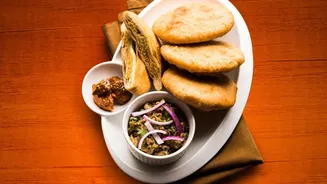

What Exactly Is 'Chatpata'?
Before we dive into why it's everywhere, let's define that magical word: chatpata. It’s not just one taste, but a thrilling collision of many. Think of the sharp tang of tamarind, the zing of raw mango, the funky depth of black salt, and the slow burn
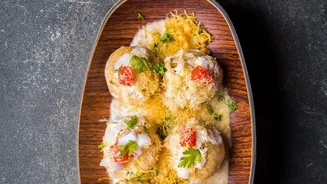
of chilli, all balanced with a hint of sweetness. For generations, this flavour profile has been the soul of street-side snacks like pani puri, bhel puri, and aloo tikki. It’s a multi-sensory experience designed to hit every corner of the palate at once—sweet, sour, salty, and pungent, creating a craving that’s distinctly Indian. This complex layering is what makes it so addictive and memorable.
A Rebellion Against the Bland
So, why is 2026 the year of chatpata? According to the Godrej Food Trends Report 2026, which surveyed over 200 of the nation's top chefs and food experts, India is experiencing a period of 'flavour maximalism'. After years of subtle and sometimes muted flavours in mainstream dining, there's a collective return to our bold, piquant roots. This isn't about gentle seasoning; it's about creating unapologetic, layered profiles that deliver excitement in every bite. Experts describe it as a rebellion against the bland, reflecting a new generation of diners who are more confident in their palates and seek out intense, authentic experiences. The trend is also a response to global movements where diners are increasingly seeking contrast and complexity, from the tangy heat of Mexican salsa to the fermented punch of Korean kimchi.
From Street Carts to Chef's Tables
Perhaps the most exciting part of this trend is seeing where chatpata is showing up. Once confined to street food, these flavours are now being celebrated in high-end restaurants and cafes. Chefs are moving beyond predictable menus and embracing the power of hyper-regional Indian cuisines, which are often built around these complex tastes. We are seeing 'flavour collision' dishes and inventive mashups that aim to recreate the joy of a bustling street food corner on a fine dining plate. This shift is also influencing the beverage world, with mixologists crafting chatpata-inspired cocktails using ingredients like tamarind, kokum, and jaljeera to create savoury, spicy, and tangy drinks.
The Snack Aisle Gets a Zesty Makeover
The chatpata wave isn't just for restaurants. The packaged food industry has taken notice, with consumer demand tilting firmly towards bold, layered flavour profiles. This has sparked a revolution on supermarket shelves. The functional food market, long dominated by sweet protein bars and shakes, is pivoting to 'namkeen' or savoury profiles. Brands are launching savoury protein bars inspired by street food flavours and high-protein bhel mixes, recognising that the Indian palate often craves a hit of masala over sweetness. This shift reflects a simple truth: the fitness industry is finally catching up with what Indians have always known—we love our savoury snacks.
Storytelling Through Taste
Ultimately, the rise of chatpata is part of a larger movement in Indian food: storytelling. As celebrity chef Ranveer Brar notes, food is most powerful when it tells a story, and India has countless stories waiting to be told. This trend is about more than just taste; it's about connecting with cultural memory, regional identity, and the pure, unadulterated joy of flavours that feel like home. By embracing chatpata, the food industry is celebrating the authenticity and contradictions that make Indian cuisine so vibrant. It's a flavour profile that tells a story of place, people, and tradition with every single bite.