


Meet the Uninvited Guests
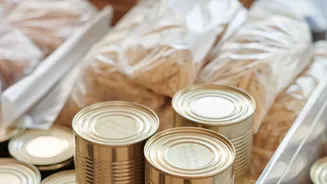
Pantry pests are insects, typically small beetles or moths, that infest stored dry food products. The most common culprits include Indian meal moths, flour beetles, and rice weevils. These pests don't just eat your food; they contaminate it with droppings,
webbing, and shed skins, often creating foul odours and spoilage. They usually enter homes by hitching a ride in packaged goods from the grocery store, already inside boxes of cereal, bags of flour, or even pet food. Once inside your home, a small problem can quickly multiply as they spread from one food source to another.
Why Your Pantry is a Perfect Home
Pests thrive on three things: food, moisture, and shelter. An unorganised pantry provides all three in abundance. Spilled crumbs, forgotten packets of grains tucked in the back, and even slight humidity create a paradise for these insects. Cardboard boxes and paper bags are particularly inviting, as pests can easily chew through them or crawl through seams. Open containers of flour, sugar, or pasta are like an open buffet. They are especially drawn to starchy items like cereals, crackers, dried beans, nuts, and spices. Forgotten, older products are prime real estate for an infestation to take hold and grow unnoticed.
The Airtight Defence Strategy
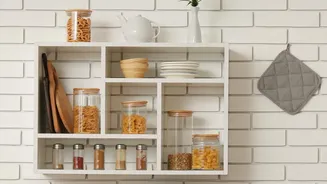
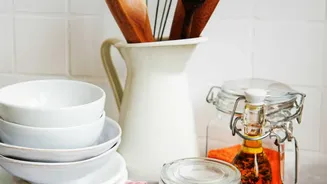
The single most effective way to prevent pantry pests is to take away their food source. This is where airtight containers are essential. Immediately transfer dry goods like flour, grains, cereal, and pasta from their original paper or cardboard packaging into containers made of thick plastic or glass. Look for lids with a silicone or rubber gasket that creates a true seal, as this blocks even the smallest pests from getting in. Glass jars are impervious to chewing, while high-quality, BPA-free plastic containers are a lighter, stackable option. This one habit creates a physical barrier that pests simply cannot breach, protecting your expensive groceries.
Cleanliness is Your Best Weapon
A clean pantry is a pest-free pantry. Crumbs and spills are a direct invitation to pests, so prompt cleanup is crucial. At least a few times a year, perform a deep clean. Empty the shelves completely and vacuum every corner, crack, and crevice to remove hidden crumbs and insect eggs. After vacuuming, wipe down all surfaces. A simple solution of soap and water or a wipe-down with white vinegar can help remove food residue and eliminate the scent trails pests use to find food sources. Make sure shelves are completely dry before you restock them, as moisture attracts pests.
Smart Pantry Habits
Beyond storage and cleaning, a few good habits can make a huge difference. First, inspect all new grocery packages for any signs of damage, like tiny holes or webbing, before you buy them. At home, practice the "first in, first out" (FIFO) method: place newer items at the back of the pantry and move older ones to the front to ensure they get used first. This prevents items from sitting for long periods, becoming prime targets for infestation. Some people also freeze new bags of flour or grains for four days to a week upon bringing them home; the cold temperature kills any potential eggs or larvae that may be present.
What to Do If You Find Pests
If you discover an infestation, don't panic. The first step is to identify the source and dispose of any contaminated food immediately. Carefully check all other packages in the vicinity. For any sealed, uninfested dry goods you want to save, placing them in the freezer for several days can kill any unseen eggs. After removing all items, perform the deep clean mentioned above: empty and vacuum everything, then wash the shelves thoroughly. This will remove any lingering insects, eggs, or larvae and help prevent a recurrence. Only restock the pantry once it is completely clean and dry.