






Meghalaya’s Majestic Inland Sea
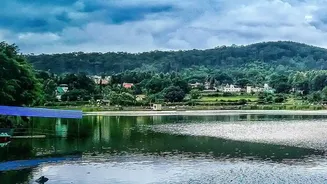
Just a short drive from Shillong, Umiam Lake, also known as Barapani, feels less like a lake and more like a vast, serene sea cradled by the Khasi hills. Created in the early 1960s by damming the Umiam River, it was part of the region's first hydroelectric
project. Today, it’s a hub for travellers and locals, offering everything from thrilling water sports like kayaking and water skiing to peaceful boat rides across its expansive waters. The surrounding pine forests and numerous viewpoints make it a perfect spot for a day trip. Local legend, however, gives it a more poignant origin story, calling it the 'Lake of Tears' formed from the grief of a heavenly sister. Whether for adventure or a quiet picnic, Umiam is an unmissable stop.
Nagaland’s Footprint-Shaped Guardian
Deep in Nagaland’s Phek district lies Shilloi Lake, a beautiful waterbody shaped like a giant human footprint. Revered by the local community, the lake is steeped in legend. It's believed that the spirit of a reigning queen resides within its waters, acting as its guardian. This belief is so strong that locals claim no one can drown in Shilloi, and fishing is not permitted. The journey to Shilloi is an adventure in itself, passing through remote villages and rugged terrain best suited for sturdy vehicles. For travellers, it offers immense tranquility and is a haven for birdwatchers, especially when migratory birds like Siberian cranes visit. A government guest house nearby allows visitors to immerse themselves in the peaceful atmosphere of this sacred lake.
Mizoram’s Mythical 'Swallowing Lake'
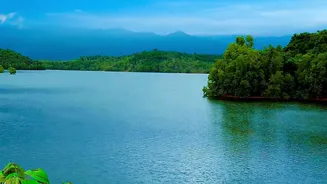
Palak Dil, the largest natural lake in Mizoram, is wrapped in a dramatic folktale. Known as Pala Tipo or 'Swallowing Lake' in the local Mara language, legend says it was formed when an entire village was submerged by rising waters. The story tells of a giant, menacing serpent that lived beneath the village. After villagers killed it, a series of supernatural events led to a flood that created the lake, swallowing everyone except a widow and her children who had fled in terror. Beyond the myth, Palak Dil is an ecological treasure. Located within the Indo-Burma biodiversity hotspot, the lake and its surrounding virgin forests are home to elephants, various bird species, and serve as a stopover for migratory ducks. It’s a remote jewel that rewards the intrepid traveller with pristine nature.
Arunachal’s Surreal Himalayan Surprise
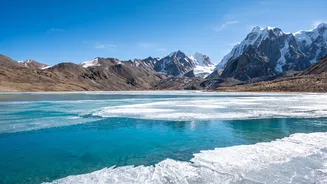
Originally named Sangestar Tso, this high-altitude lake in Arunachal Pradesh found fame after being featured in a Bollywood film, earning it the popular nickname 'Madhuri Lake'. Formed by a flash flood following an earthquake, its most striking feature is the forest of lifeless tree trunks that emerge eerily from the crystal-clear water, creating a surreal and beautiful landscape against a backdrop of snow-capped mountains. Located near the Indo-China border on the way to Bum La Pass from Tawang, visiting requires obtaining special permits due to its sensitive location. The journey itself is an adventure, but the reward is a tranquil, otherworldly environment and a cup of hot tea from a small, army-run canteen by the lakeside.
Tripura’s Royal Waters and Ramsar Site
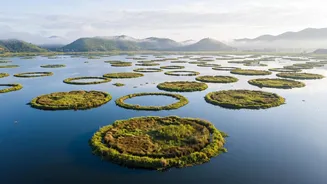
Often overlooked on the tourist map, Tripura is home to Rudrasagar Lake, a waterbody of immense ecological and cultural importance. Located in Melaghar, the lake is distinguished by the stunning Neermahal palace, a former royal summer resort, situated right in its centre. This natural sedimentation reservoir receives water from three streams and is a designated Ramsar site, marking it as a wetland of international importance. The lake is a vital habitat for a variety of commercially important fish and the IUCN Red-listed Three-striped Roofed Turtle. It’s a unique destination where natural beauty, biodiversity, and royal history converge, offering a completely different flavour of the Northeast experience.