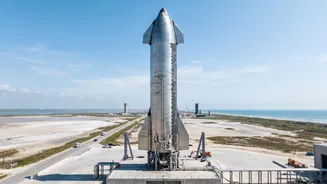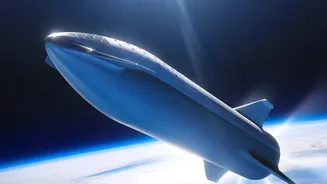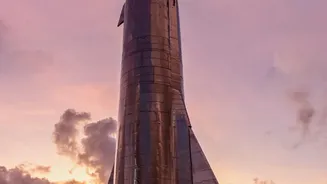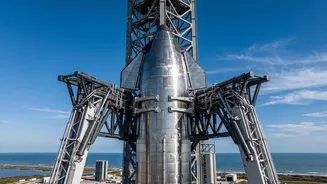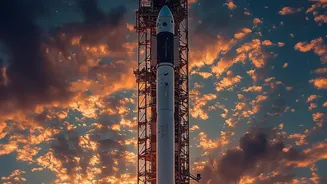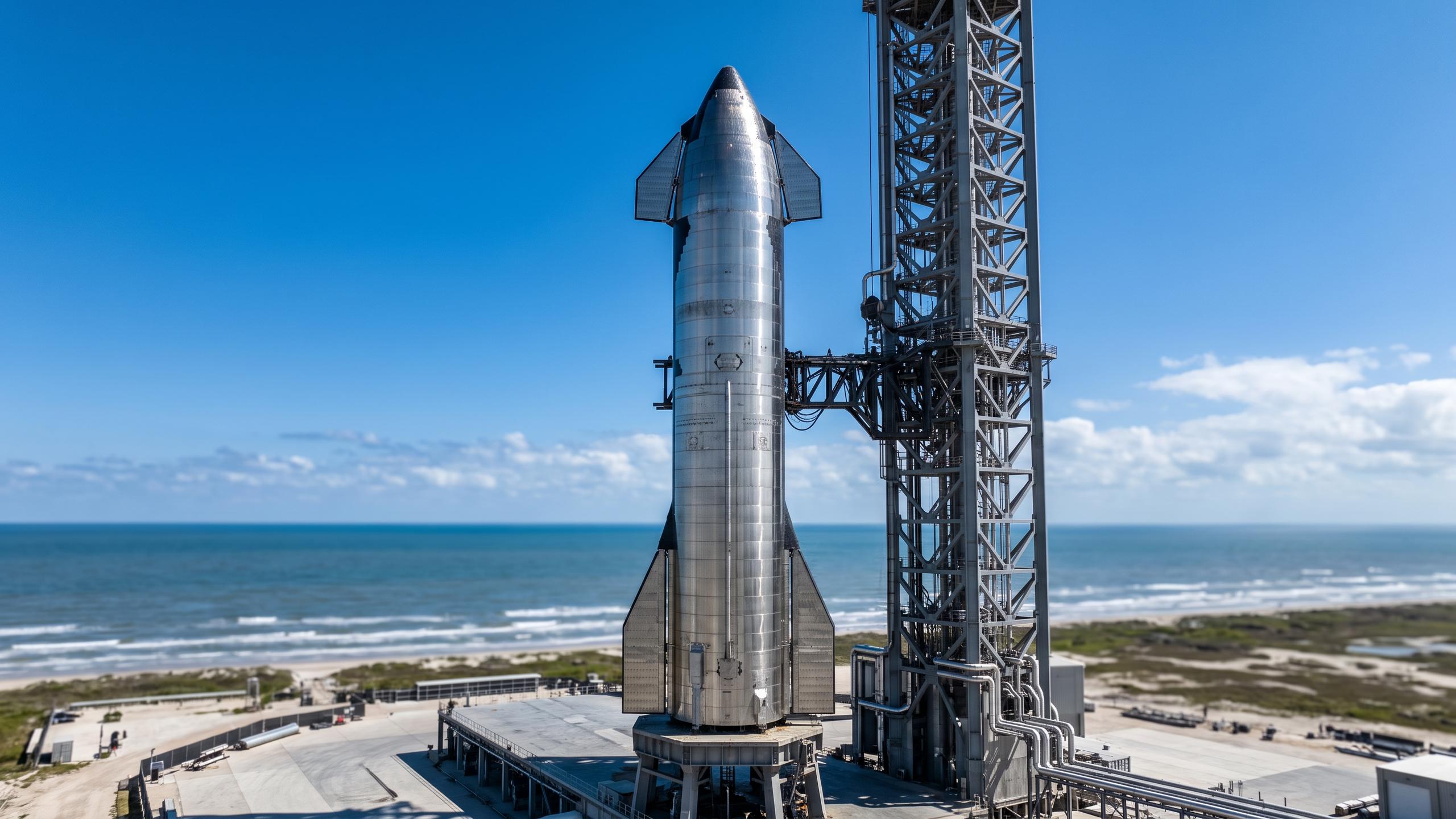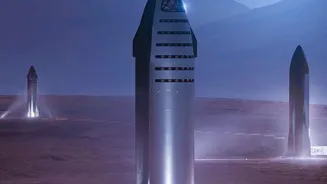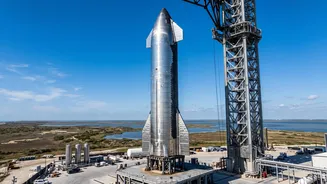





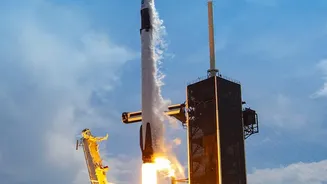
In a feat that reshapes the future of space travel, SpaceX successfully launched its Starship vehicle, kept it in orbit for over 22 hours, and caught it with the giant mechanical arms of its launch tower back at Starbase in Texas.
A 'Holy Grail' Moment for Spaceflight
On Saturday, November
14, 2026, the Starship spacecraft descended through the Texas sky, reignited its engines to perform a complex flip maneuver, and settled perfectly into the grasp of the launch tower's 'Mechazilla' arms. This marked the first time in history that the upper stage of an orbital rocket returned from space to be caught for reuse, a milestone SpaceX commentator Dan Huot called 'the holy grail of spaceflight'. The successful catch concluded Flight 15, an ambitious test mission that began the previous day. While the achievement is historic for the Starship spacecraft itself, the mission was not a complete success; the Super Heavy booster that launched it into space was not recovered.
A 22-Hour Journey in Orbit
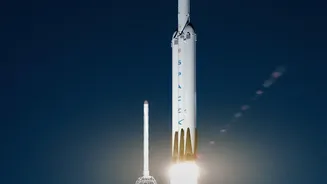
The mission began on Friday, November 13, when the two-stage rocket lifted off from Starbase. After separating from its booster, the Starship spacecraft, designated Ship 42, used its own engines to push into a stable low Earth orbit. During its 22-hour voyage, it circled the planet 14 times and successfully deployed 26 next-generation Starlink satellites, demonstrating its capability as a cargo transport vehicle. This long-duration flight was a critical test of the vehicle's systems, from its life support capabilities to the resilience of its heat shield, which was visibly charred but performed well during the blistering heat of reentry. The flight was the longest for a Starship to date.
The Unsuccessful Booster Return
While the Starship upper stage's return was flawless, the same could not be said for its massive Super Heavy booster. The plan called for the booster, Booster 22, to perform its own powered descent and be caught by the same launch tower just minutes after launch. However, an issue during its return burn prompted the booster's automated guidance system to abort the tower catch attempt. A low fuel mass alarm was reportedly triggered, causing the system to redirect the booster to a designated splashdown zone in the Gulf of Mexico for safety, where its flight was terminated. This prevented SpaceX from achieving its ultimate goal for the mission: recovering both stages of the rocket system for the first time.
What This Means for the Future
Successfully catching the Starship spacecraft is a transformative achievement. It is the single most important step toward SpaceX's goal of a fully and rapidly reusable rocket system. This capability is expected to dramatically lower the cost of access to space, functioning more like a commercial airliner that can be refueled and relaunched in short order. Elon Musk stated the recovered ship could 'probably be reflown with a few weeks of refurbishment'. This model is essential for SpaceX's ambitious plans, including the build-out of its massive Starlink internet constellation and, eventually, enabling crewed missions to the Moon and Mars. NASA is relying on Starship to help land astronauts on the moon as early as 2028.