

The Junkyard Above Our Heads
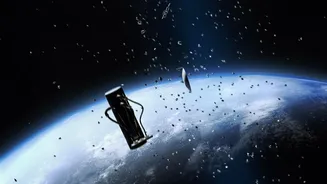
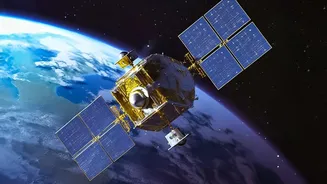
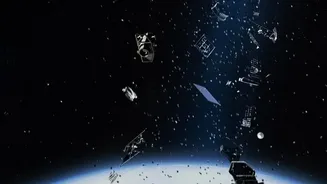
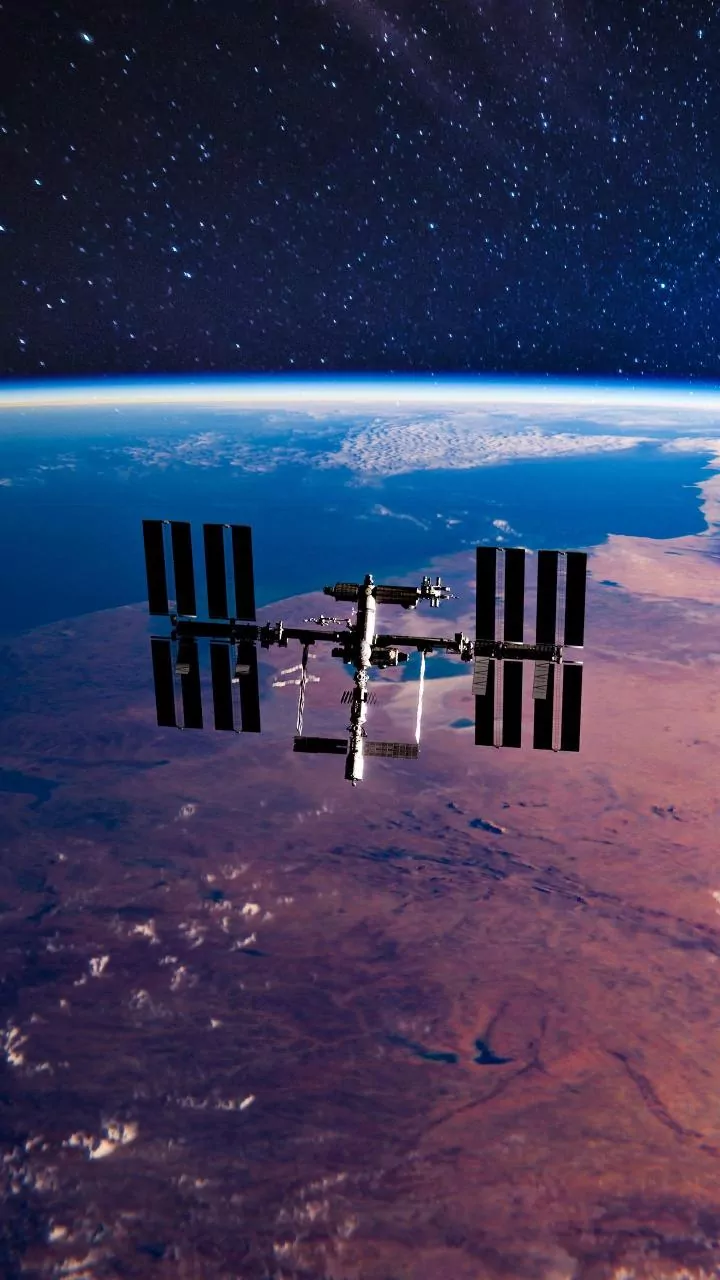
For every active satellite providing us with GPS, weather forecasts, and global communications, there are scores of dead objects flying alongside it. Spent rocket stages, defunct satellites, and millions of smaller fragments from past collisions are travelling
at hyper-velocities, many faster than a speeding bullet. There are currently over 31,000 tracked objects in orbit, but this doesn't include the millions of smaller, untrackable pieces that can still cause catastrophic damage to operational spacecraft. Experts warn of a potential chain reaction known as the Kessler Syndrome, where one collision creates a debris cloud that triggers more collisions, eventually rendering certain orbits unusable. This growing threat to our critical space infrastructure is the primary driver behind the push for active debris removal (ADR).
Step One: Tracking the Threat
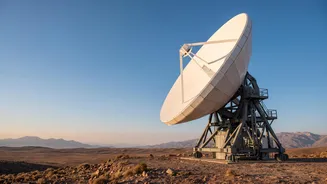
Before you can remove a piece of debris, you have to find it and predict its path. This is the foundation of the space debris market and currently accounts for the bulk of its revenue. Companies like LeoLabs and Slingshot specialize in Space Situational Awareness (SSA), using a global network of ground-based radars and optical telescopes to catalogue and track objects as small as a few centimeters. Advanced systems, such as the U.S. Space Force's Space Surveillance Telescope, can track thousands of objects in a single night with incredible speed and precision. Furthermore, companies are now integrating artificial intelligence to analyze vast datasets in real-time, improving the prediction of debris movements and prioritizing the most high-risk targets for avoidance or removal.
Capture and De-Orbit: The Active Cleanup
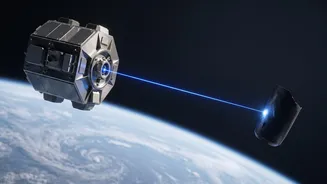
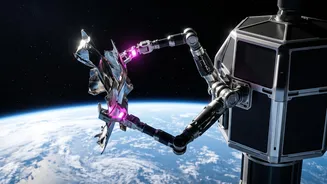
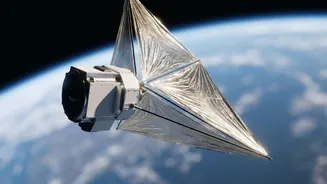
Once a target is identified, the next step is to capture it. A variety of innovative, and often futuristic-sounding, methods are being developed and tested. These include deploying large nets, firing harpoons, using robotic arms for a firm grip, and even employing magnets to grab onto a tumbling object without physical contact. Several companies and space agencies are pioneering these technologies. Japan's Astroscale has run successful demonstration missions, while the European Space Agency's ClearSpace-1 mission, slated for 2026, aims to use a four-armed robotic system to capture and de-orbit a piece of a rocket. The final step is de-orbiting, which typically involves guiding the captured junk into Earth's atmosphere, where it safely burns up upon re-entry.
A Market in the Making
The business of cleaning up space is transitioning from a theoretical problem to a commercial service. Market forecasts vary, but most point to significant growth. One analysis projects the market to grow from around $1.2 billion in 2025 to over $2.7 billion by the early 2030s. Another report suggests it could reach over $4 billion by 2030. This growth is driven by the sheer number of new satellites being launched, especially mega-constellations from companies like SpaceX and Amazon. In response, regulatory bodies like the U.S. Federal Communications Commission (FCC) are tightening rules, requiring satellite operators to have a clear plan for de-orbiting their spacecraft at the end of their life, creating a mandatory customer base for these new services.
Forecast, Not a Certainty
Despite the clear need and promising technology, significant hurdles remain. The first is cost. A single debris removal mission can cost between $10 million and $100 million today. The ESA's ClearSpace-1 mission to remove one object has a price tag of about $93 million. Scaling these operations to tackle thousands of defunct objects would cost billions, far exceeding the current market size. The second major challenge is legal and regulatory. Under international space treaties, a piece of debris is still owned by the country that launched it. This means a removal company cannot simply salvage another nation's defunct satellite without explicit permission, creating a complex web of legal and diplomatic issues. Until these economic and legal frameworks are solidified, the market remains a high-potential forecast rather than a guaranteed boom.