


Why Choose Foxtail Millet?
Before we get to the recipe, let's understand why foxtail millet, known as 'Thinai' in Tamil or 'Kangni' in Hindi, is taking over modern pantries. For centuries, it was a staple grain across India, and its resurgence is thanks to a fantastic nutritional
profile. Unlike polished white rice, foxtail millet is a whole grain packed with benefits. It's naturally gluten-free, making it an excellent choice for those with sensitivities. It is also celebrated for its low glycemic index, which helps in managing blood sugar levels by ensuring a slow release of energy. Furthermore, foxtail millet is a powerhouse of nutrients. It is significantly richer in protein, dietary fibre, calcium, and iron compared to rice. This high fibre content aids digestion, promotes a feeling of fullness to help with weight management, and supports overall gut health. By swapping rice for foxtail millet, you are not just trying a new recipe; you are upgrading your nutritional intake without sacrificing tradition.
The Secret to Soft Millet Idlis
A common concern when making idlis with millets is that they might turn out hard or dry. The fear is valid, but the solution is simple and lies in the process. The key to achieving that classic, cloud-like softness is in the preparation of the batter. First, the ratio of millet to urad dal (split black gram) is crucial. A good starting point is a 2:1 or 3:1 ratio of millet to dal. Second, soaking is non-negotiable. Both the millet and the urad dal must be soaked separately for at least 4-6 hours. This softens the grains and prepares them for grinding. Third, the grinding technique matters. The urad dal should be ground to a very smooth, fluffy paste, incorporating air, while the millet can be ground to a slightly coarser, semolina-like texture. Finally, and most importantly, is fermentation. The combined batter needs to ferment in a warm place for 8-12 hours, or overnight, until it has risen and is airy. This fermentation process is what gives the idlis their characteristic light texture and slightly tangy flavour.
Foxtail Millet Idli Recipe
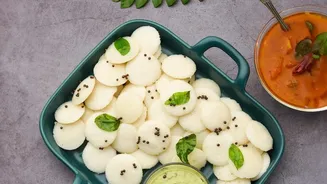
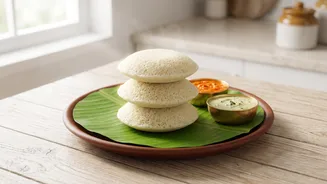
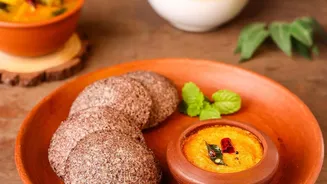
This recipe will yield soft, fluffy idlis that are both delicious and incredibly healthy. They are perfect for breakfast or a light meal, served with hot sambar and your favourite chutney.\n\nIngredients:\n\n- 1 cup Foxtail Millet (Thinai/Kangni)\n- ½ cup Urad Dal (split black gram)\n- ¼ cup Thick Poha (flattened rice) or Sabudana (sago) - optional, for extra softness\n- ½ teaspoon Fenugreek Seeds (Methi)\n- Salt to taste\n- Oil for greasing the idli plates\n- Water as needed for soaking and grinding
Step-by-Step Instructions
1. Soaking: Wash the foxtail millet and urad dal thoroughly in separate bowls. Soak the urad dal along with the fenugreek seeds. Soak the millet separately. If using poha, you can soak it for 30 minutes before grinding. Let everything soak for at least 4-6 hours.\n\n2. Grinding: Drain the water from the urad dal and fenugreek seeds. Grind them in a mixer-grinder or wet grinder with a little cold water until you have a very smooth and fluffy batter. Transfer this to a large bowl. Next, drain the millet and grind it to a fine, slightly grainy texture, adding water as needed.\n\n3. Mixing and Fermenting: Add the ground millet batter to the urad dal batter. Add salt and mix everything well with your hands. The motion helps kickstart the fermentation. Cover the bowl and keep it in a warm spot to ferment for 8-12 hours or overnight. The batter should double in volume and have a bubbly, airy texture.\n\n4. Steaming: Once fermented, give the batter a gentle stir. Do not overmix, as you want to retain the air pockets. Grease your idli plates with a little oil. Pour the batter into the moulds. Boil water in your idli steamer, and once the steam builds, place the idli stand inside. Steam for 10-15 minutes on medium heat. To check if they are done; it should come out clean.\n\n5. Serving: Let the idlis rest for a couple of minutes before de-moulding them with a wet spoon. Serve hot with coconut chutney and sambar.