



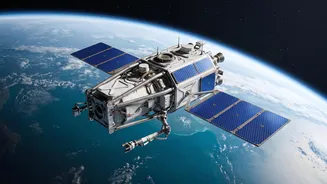

Have you ever wanted to name a spacecraft? The UK Space Agency is offering that chance, inviting the public to name its first-ever national space mission. It’s a historic moment for British space exploration, and you could be a part of it.
An Orbital Clean-Up Crew
This isn't just
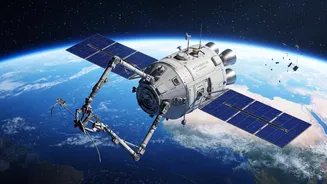
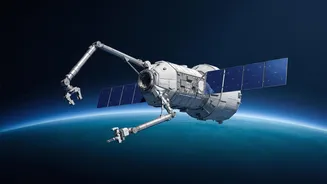
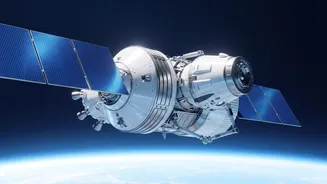
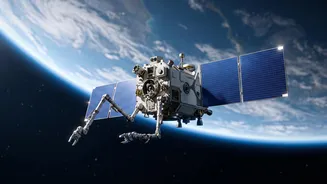
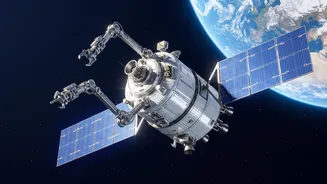
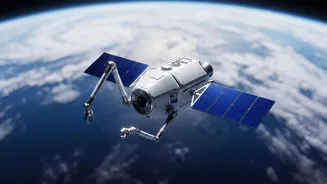
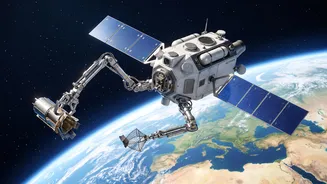
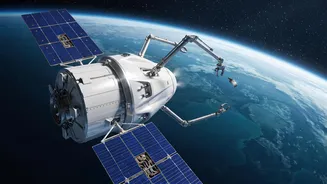
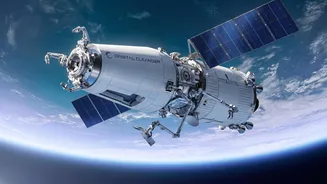
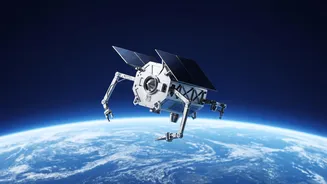
any mission; it's a pioneering effort to tackle the growing problem of space junk. The Active Debris Removal (ADR) mission will be the first of its kind, designed to capture and remove two defunct satellites from orbit. Backed by over £60 million in government funding, the spacecraft will use advanced robotics, including giant claws, to grab old satellites and guide them to burn up safely in Earth's atmosphere. With tens of thousands of tracked debris objects circling the planet at incredible speeds, this orbital clutter poses a significant threat to the thousands of active satellites that power everything from GPS and weather forecasting to global communications. The mission, a partnership with ClearSpace UK, is a major step in ensuring the long-term sustainability of space operations.
How You Can Make History
The UK Space Agency is looking for a name that captures the spirit of this innovative mission—something that reflects the theme of keeping space clean and safe for future generations. The competition is open to the public, with submissions accepted until December 10, 2026. To enter, you need to propose a mission name of no more than two words and provide a short explanation of up to 150 words. The winning entry will not only become the official mission name but will also be etched onto the side of the spacecraft itself, becoming a permanent part of the UK's space story. The winner will also receive a framed certificate signed by the Space Minister.
The Ghost of Boaty McBoatface
Of course, you can't discuss a British public naming contest without mentioning the most famous one of all: Boaty McBoatface. In 2016, the Natural Environment Research Council (NERC) asked the public to name a £200 million polar research vessel. The name 'Boaty McBoatface' won the online poll by a massive margin, with over 124,000 votes. While officials ultimately decided to name the ship the RRS Sir David Attenborough, a more serious choice that also polled well, the saga became an internet legend. The name 'Boaty McBoatface' lived on, however, as it was given to one of the ship's autonomous submersibles. The event even coined a term, 'McBoatfacing', for when online polls are humorously derailed.
A Tradition of Wit and Wisdom
The public response to the ADR mission naming contest has already been filled with creativity and humour, proving the spirit of Boaty McBoatface is alive and well. Suggestions referencing British culture, from a beloved vacuum cleaner named Henry to sci-fi classics like 'Red Dwarf' and 'Spaceballs', have flooded social media. Puns like 'Obi Wan Cleanobi' are also making the rounds. But public contests can also yield deeply meaningful names. British astronaut Tim Peake’s mission was named 'Principia' to honour Isaac Newton. And in the NERC poll, names honouring explorer Henry Worsley and a young cancer patient, Poppy_Mai, received tens of thousands of votes, showing the public's capacity for both humour and heart. The UK Space Agency will ultimately have the final say, but they will be reviewing a shortlist of the most popular public suggestions.
What Happens Next?
After the competition closes on December 10, a panel of experts will review the submissions. They will be looking for a name that is inspirational, memorable, and relevant to the mission's goal of creating a sustainable future in space. While the process acknowledges the fun of public engagement, the ultimate goal is to find a fitting title for a landmark mission. The spacecraft itself is scheduled to launch from SaxaVord Spaceport in Scotland in 2029. It will be a refuellable craft, designed with the potential for multiple future missions to continue cleaning up Earth's orbit for years to come. The announcement of the chosen name is expected in early 2027, officially christening the vehicle that will serve as the UK's first orbital custodian.