






The Power Inside the Powder
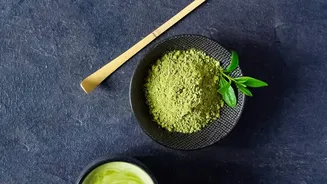
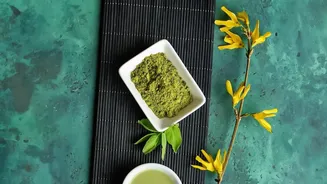
Matcha is a special type of green tea, made by grinding young tea leaves into a fine powder. Unlike traditional green tea where you steep and discard the leaves, with matcha, you consume the entire leaf. This means you get a much higher concentration
of its beneficial compounds. The process involves shading the tea plants before harvest, which boosts their chlorophyll and amino acid content, giving matcha its distinctively bright green hue and unique flavour profile. This careful cultivation is what makes it a concentrated source of nutrients compared to other teas.
A Calmer Buzz: Caffeine Meets L-Theanine
One of matcha's most celebrated effects is the feeling of “calm alertness.” This isn't just a feeling; it's the result of a powerful partnership between caffeine and an amino acid called L-theanine. While matcha contains less caffeine than a standard cup of coffee, the presence of L-theanine moderates its effects. Instead of the sharp spike and subsequent crash associated with coffee, the combination provides a more sustained, gentle boost of energy and focus. Studies suggest this duo can positively affect cognitive performance and alertness, making it a popular choice for focus without the jitters.
An Antioxidant Powerhouse
When you drink matcha, you are consuming a wealth of antioxidants. The most notable among them are catechins, particularly epigallocatechin-3-gallate (EGCG). Because you ingest the whole leaf, matcha delivers significantly more of these compounds than steeped green tea. These antioxidants help protect your body's cells from damage caused by free radicals, which can reduce inflammation and may help prevent some chronic diseases like heart disease. Regular consumption is associated with a range of benefits, from supporting heart and brain health to potentially aiding metabolism.
The Trend of Topical Matcha
Given its impressive internal benefits, it was only a matter of time before the beauty industry took notice. Matcha has become a trendy ingredient in face masks, cleansers, and serums, marketed as a solution for everything from acne to aging. The logic seems simple: if the antioxidants are good for your body, they must be good for your face, too. Brands often claim that topical matcha can reduce inflammation, fight free radical damage, and control oil. This has led to a surge in products and DIY recipes promising a glowing complexion.
Skin Deep? The Evidence for Surface-Level Use
Here's where the story gets more complicated. While there is compelling evidence for the benefits of green tea extract in skincare, the science on applying whole matcha powder directly to the skin is less robust. Many studies that show benefits like reduced acne or improved skin elasticity use concentrated green tea extracts, not the powdered tea itself. These extracts are formulated to ensure stability and skin penetration. While some studies note that topical green tea can reduce sebum and inflammation, drinking it may not have the same direct impact on acne. The anti-inflammatory and antioxidant properties of EGCG are well-documented, but whether they are effectively delivered to the skin from a DIY matcha mask is still up for debate.
Better in Your Cup Than on Your Face
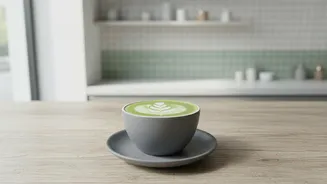
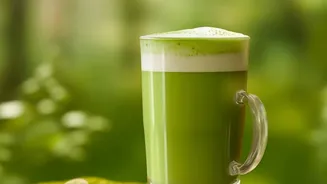
The consensus among many experts is that while topical application isn't necessarily harmful, you're likely getting far more benefits by drinking it. Consuming matcha ensures that the powerful compounds like EGCG and L-theanine are absorbed systemically, where they can offer protective effects throughout your body. Oral consumption of green tea has been shown to help protect skin from UV damage from the inside out and improve skin hydration and elasticity. While a matcha face mask might offer some temporary soothing or anti-inflammatory effects, its most potent and proven benefits are unlocked when you enjoy it as a beverage.