








A Roar Returns After 144 Years
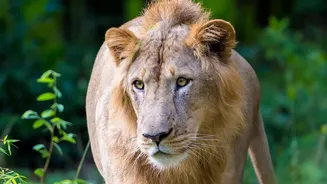
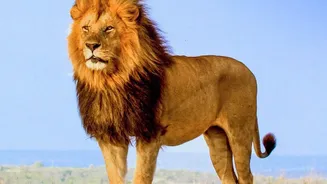
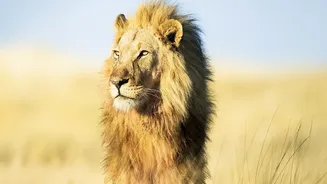
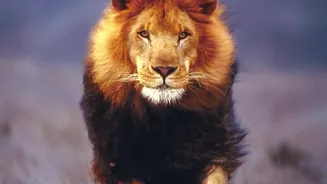
In a significant milestone for wildlife conservation, Barda Wildlife Sanctuary is now home to a pride of 17 Asiatic lions, ending a 144-year absence. The last recorded lion in this landscape was in 1879, after which the species was wiped out from the region
due to rampant hunting. The journey back began with the natural dispersal of a lone male lion who wandered into the sanctuary in January 2023, a testament to years of habitat restoration work. Following this pioneering move, the Gujarat Forest Department augmented this budding population by introducing five lionesses. The pride has since grown, with the birth of 11 cubs, bringing the total count to 17 and officially establishing Barda as a new, protected satellite population for the species.
More Than a Home, An Insurance Policy
For decades, the entire global wild population of Asiatic lions—which has rebounded from fewer than 50 individuals in the early 20th century to nearly 900 today—has been concentrated in and around Gir National Park. While a celebrated success, this has also created a precarious situation known as a 'single point of failure'. Conservationists have long warned that a single catastrophic event, like a disease outbreak or a natural disaster, could devastate the species. This fear was partially realised in 2018 when a Canine Distemper Virus outbreak killed 28 lions in Gir, highlighting the urgent need for a second, geographically separate population. Barda Wildlife Sanctuary, located about 100 kilometres west of Gir, was identified as the ideal candidate to serve as this crucial 'ecological insurance policy'.
Preparing the Ground for Royalty
The successful return of lions to Barda was not a matter of chance but the result of decades of meticulous planning. The Gir-Barda Project was launched in 1979, the same year the area was declared a sanctuary, with the explicit goal of preparing it as a second home for lions. Efforts focused on restoring the forest, improving vegetation, and crucially, augmenting the prey base. To ensure a plentiful food supply for the apex predators, hundreds of chital (spotted deer) and sambar have been translocated from Gir and bred in captivity before being released into Barda's 192-square-kilometre expanse. The state has also announced a scheme to voluntarily and financially compensate local semi-nomadic pastoralist families, known as Maldharis, to relocate outside the sanctuary, reducing human-wildlife conflict and biotic pressure.
Science-Led Conservation in Action
The establishment of the Barda population is being closely monitored using modern scientific tools. To understand how the lions are adapting, researchers from the Gujarat Forest Department and other institutions fitted six of the initial lions—the male and five females—with radio collars. Between January 2023 and July 2025, these collars generated over 169,000 GPS locations, providing invaluable data on the lions' space usage, habitat preferences, social behaviour, and diet. The findings, published in the journal 'PLOS One', confirmed that the lions are thriving, actively using the forests and grasslands, establishing home ranges, and forming social bonds. This scientific oversight ensures that the project remains on track and that any challenges can be addressed proactively.
The Future of the Asiatic Lion
The re-establishment of a lion population in Barda is more than just a local success; it is a critical step in the long-term strategic conservation of the species under the national 'Project Lion' initiative. With the lion population in the greater Gir landscape exceeding its carrying capacity and more than half the lions living outside protected areas, creating new, secure habitats is essential. Barda serves as a vital buffer, providing a safe haven for lions dispersing from Gir and reducing the risks associated with a single, overcrowded population. It also creates new opportunities for ecotourism, providing livelihoods for local communities and giving more people a chance to witness the majesty of India's iconic big cat. This move secures a vital part of India's natural heritage, ensuring that the king of the forest has more than one kingdom to rule.