






The Alarm: What's the Worry with E20?
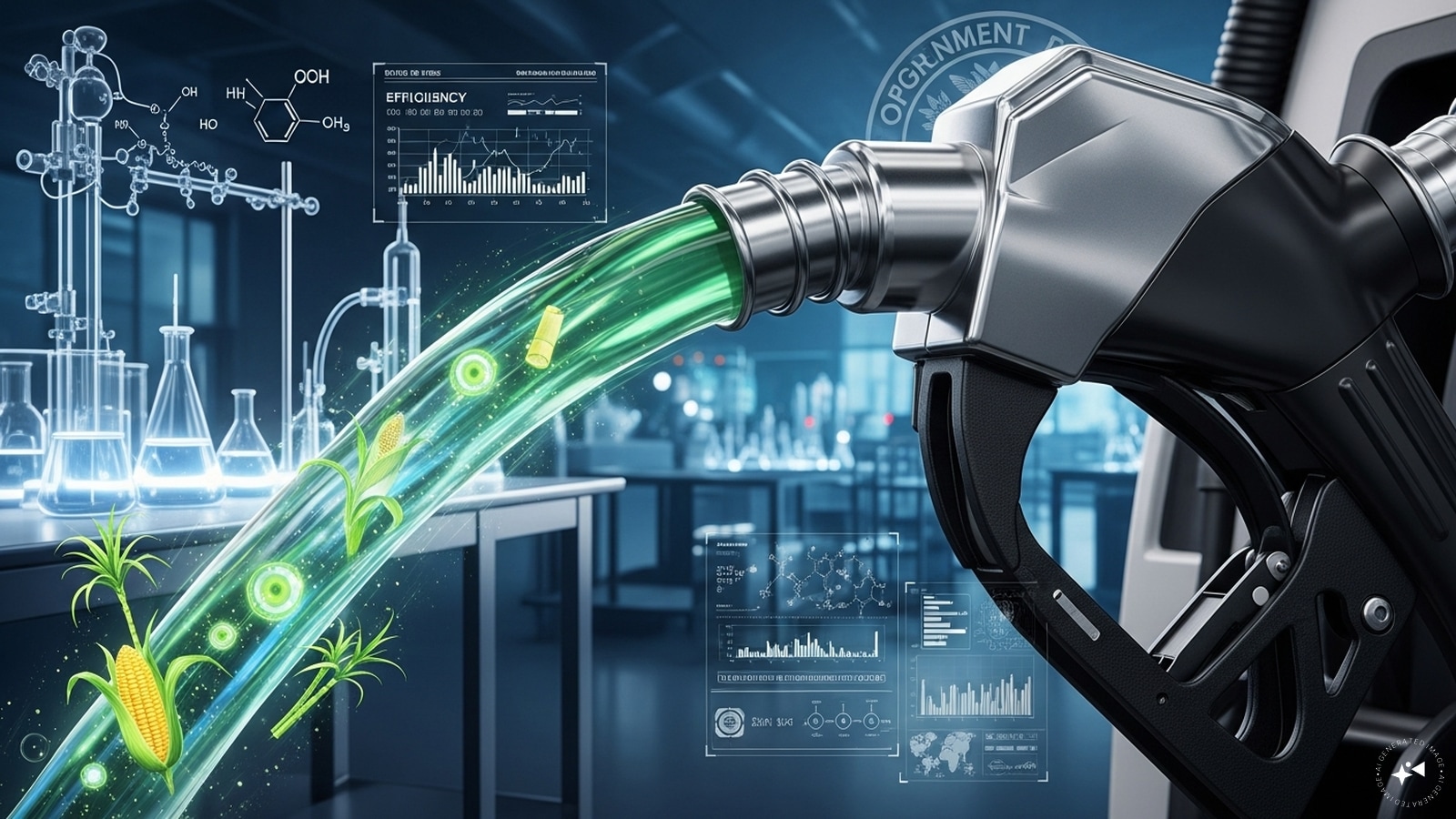
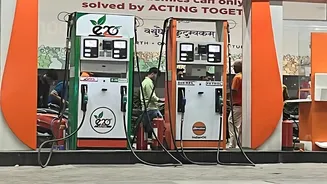
The nationwide rollout of E20 petrol—a blend of 80% petrol and 20% ethanol—has been swift, driven by the government's goals to reduce oil import bills, lower carbon emissions, and boost the rural economy. But this rapid transition has been met with a wave
of anxiety from vehicle owners. The central claim is that E20 is 'water-rich' and could harm your engine. Concerns circulating online and at mechanic shops point to potential issues like rough idling, difficulty starting, and even long-term corrosion of engine components. Some anecdotal reports from motorists and mechanics suggest a rise in fuel system problems since the fuel became mandatory, adding fuel to the fire.
The Science: Does Ethanol Really Attract Water?
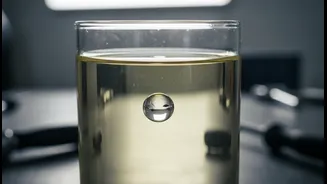
The core of the concern lies in a scientific property: ethanol is 'hygroscopic,' meaning it attracts and absorbs moisture from the atmosphere. The fear is that this moisture will get into your fuel tank, mix with the ethanol, separate from the petrol, and form a corrosive, water-logged layer at the bottom. In theory, if your engine then draws this water-rich mixture, it could lead to starting problems or breakdowns. However, the amount of water absorbed from humidity is typically minuscule. One analysis suggests that even in worst-case humidity, a 20-litre tank of E20 might absorb less than 1 ml of water, which then gets dissolved and safely burned off during combustion.
The Expert Rebuttal: Separating Fact from Fiction
This is where experts and officials step in to dispute the alarm. The Ministry of Petroleum and Natural Gas has repeatedly stated that the E20 programme is scientifically validated and that no widespread engine failures have been linked to the new fuel. They clarify that while water contamination is bad for any fuel, modern vehicles are designed with sealed fuel systems to prevent significant water entry. Major automobile manufacturers like Toyota and Hero MotoCorp have also gone on record, stating that their extensive testing and service data show no abnormal wear or increased damage in vehicles running on E20. The consensus from government agencies and industry bodies is that the fears are largely unfounded, especially for compliant vehicles.
The Real Issue: Vehicle Compatibility
The debate isn't truly about E20 being inherently bad, but about which vehicles are prepared for it. Since April 2023, all new vehicles sold in India are required to be E20-compliant. Many manufacturers, including Maruti Suzuki, Hyundai, Honda, and Tata, now have extensive lists of compatible models. In fact, many cars made since the BS4 era (2017 onwards) were already built to handle E10 and have materials that are largely tolerant of E20. The primary concern is for older vehicles, particularly those made before 2008, which may have rubber and plastic components in their fuel systems that can degrade with prolonged exposure to higher ethanol concentrations. For these vehicles, issues like a drop in mileage and wear on parts like gaskets and fuel hoses are a more realistic concern than sudden engine failure.
Practical Advice for Vehicle Owners
For the vast majority of vehicle owners, a few simple practices can ensure a smooth experience with E20. First, confirm your vehicle's compatibility by checking the owner's manual, the manufacturer's website, or a sticker inside the fuel filler cap. Second, refuel at reputable, high-traffic petrol pumps; this reduces the chance of getting fuel that has been sitting for a long time and potentially absorbing moisture. Finally, stick to your vehicle's regular maintenance schedule. Routine servicing can catch any potential issues, like a degrading fuel line, before they become serious problems. The government and the Society of Indian Automobile Manufacturers (SIAM) have both confirmed that using E20 fuel in a compatible vehicle will not void your warranty or affect your insurance claims.