



Why Your Pet’s Dental Health Matters
It’s easy to ignore what you can’t see, but your pet’s oral health is a critical window into their overall wellbeing. More than just a cosmetic issue, poor dental hygiene can lead to severe health complications. The most common problem is periodontal
disease, an infection and inflammation of the tissues surrounding the teeth. Shockingly, it affects a vast majority of pets over the age of three. When bacteria-laden plaque hardens into tartar, it causes gum inflammation, pain, and eventually, tooth loss. More alarmingly, bacteria from an infected mouth can enter the bloodstream and travel to vital organs, potentially contributing to heart, liver, and kidney problems. In India, factors like soft, homemade diets and a humid climate can accelerate bacterial growth, making pets particularly susceptible to dental issues.
Signs of Dental Problems in Pets
Pets are masters at hiding pain, so owners need to be vigilant. The most obvious sign of a dental issue is persistent bad breath, or halitosis. While 'doggy breath' is common, a particularly foul odour is a red flag for underlying bacterial growth. Other warning signs include yellow or brown tartar buildup on the teeth, red, swollen, or bleeding gums, and changes in eating habits. You might notice your pet dropping food, chewing on one side of their mouth, or showing a reduced appetite. They may also paw at their mouth, drool excessively, or become irritable due to discomfort. A normal appetite doesn't rule out dental problems, making regular checks essential.
Getting Started with Brushing
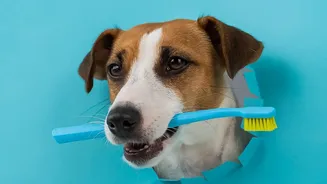
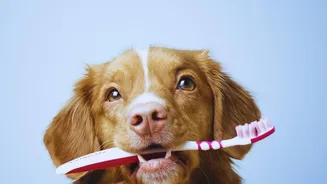
The idea of brushing your pet's teeth can be intimidating, but patience and positive reinforcement are key. Start slowly. Let your pet lick a small amount of pet-specific toothpaste off your finger. Human toothpaste is toxic to pets, so always use a formula designed for animals, which often comes in appealing flavours like poultry or malt. Once your pet is used to the taste, introduce a soft-bristled pet toothbrush or a finger brush. Gently lift their lip and start by brushing just a few of the large, easy-to-reach cheek teeth for a few seconds. Focus on the outer surfaces where plaque accumulates most, using small, circular motions. Keep sessions short and end with a treat or praise to create a positive association.
Choosing the Right Tools
The pet care market is filled with dental products, but not all are created equal. When selecting a toothbrush, choose one with soft bristles that is appropriately sized for your pet’s mouth. For cats and small dogs, a tiny inter-dental brush or a finger brush might work best. For toothpaste, look for enzymatic formulas, which contain enzymes that help reduce bacteria and plaque. Brands like Virbac are frequently recommended by veterinarians for their proven effectiveness. Never use baking soda or human dental products, as they can cause stomach upset if swallowed. Some products carry the Veterinary Oral Health Council (VOHC) seal, indicating they meet standards for plaque and tartar reduction.
Beyond the Toothbrush
Daily brushing is the gold standard for pet dental care, but other habits can provide supplementary support. Dental chews and toys can help scrape away plaque through mechanical action, but they are not a substitute for brushing. Look for products designed specifically for dental health. Additionally, certain prescription diets are formulated to reduce plaque and tartar buildup. While helpful, these strategies work best as part of a comprehensive oral care plan. The most crucial element beyond home care is an annual professional dental cleaning by a veterinarian. This procedure, performed under anaesthesia, allows for a thorough cleaning below the gum line and detailed X-rays to identify problems hidden from view.