



A Claim Beyond the Stars
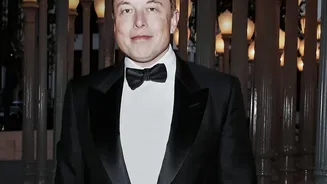
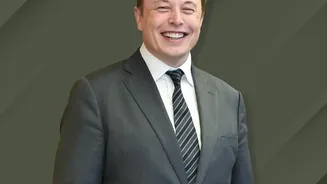
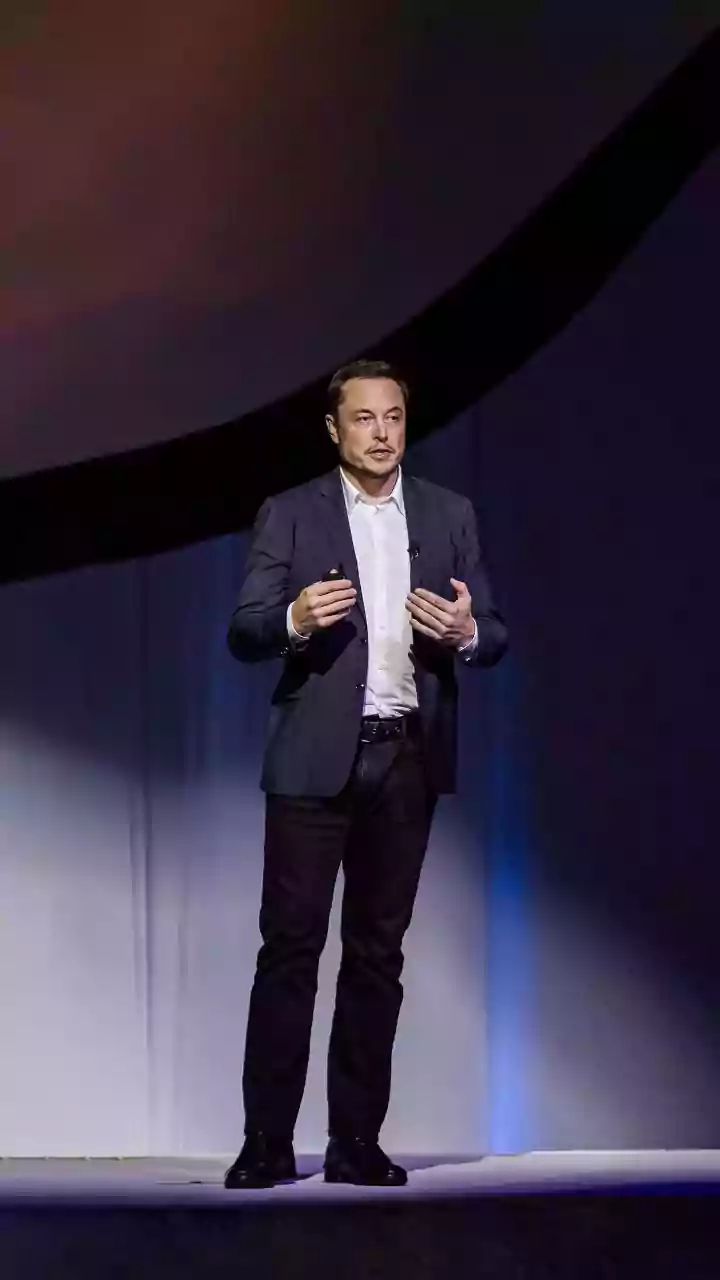
In a post on his social media platform X, Elon Musk made one of his boldest predictions to date. He stated that he sees a 'path to SpaceX being worth orders of magnitude more than the current Earth economy'. To put that in perspective, the International
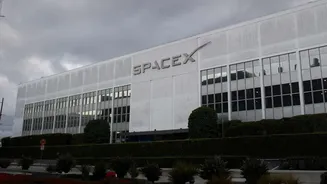
Monetary Fund projects the entire global economy's output in 2026 will be around $126 trillion. 'Orders of magnitude' implies at least a hundredfold increase, suggesting a potential SpaceX valuation in the quadrillions of dollars. This statement followed earlier comments in July where he reportedly told investors the company could be worth 'More Than the Rest of Earth'. Currently, SpaceX has a market capitalization of around $2.2 trillion, making it one of the most valuable companies in the world following its 2026 IPO, but still a tiny fraction of the figure Musk described.
The 'Non-Zero Probability' Caveat
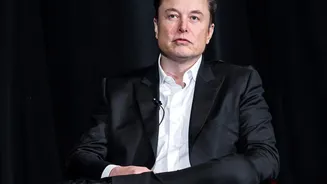
Just as quickly as the astronomical claim made headlines, Musk himself provided the crucial context. In a follow-up post, he clarified his statement, explaining that ''Seeing a path' is not a statement of extreme confidence that we will achieve that outcome'. He added, 'Just means that I believe there is such a path and the probability of achieving it is not zero'. In a separate reply, he quantified this by saying a valuation over $1,000 trillion now 'appears to me to be in the set of possible outcomes'. This careful wording shifts the claim from a forecast to an articulation of ultimate, albeit highly speculative, potential. It's not a valuation for today, but a vision for a distant, uncertain future.
The Foundation: Starship and Starlink
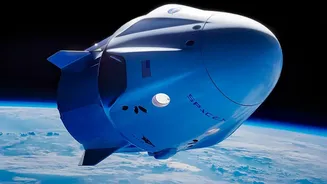
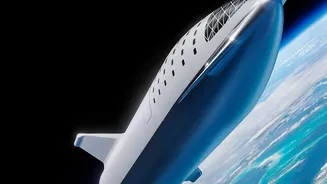
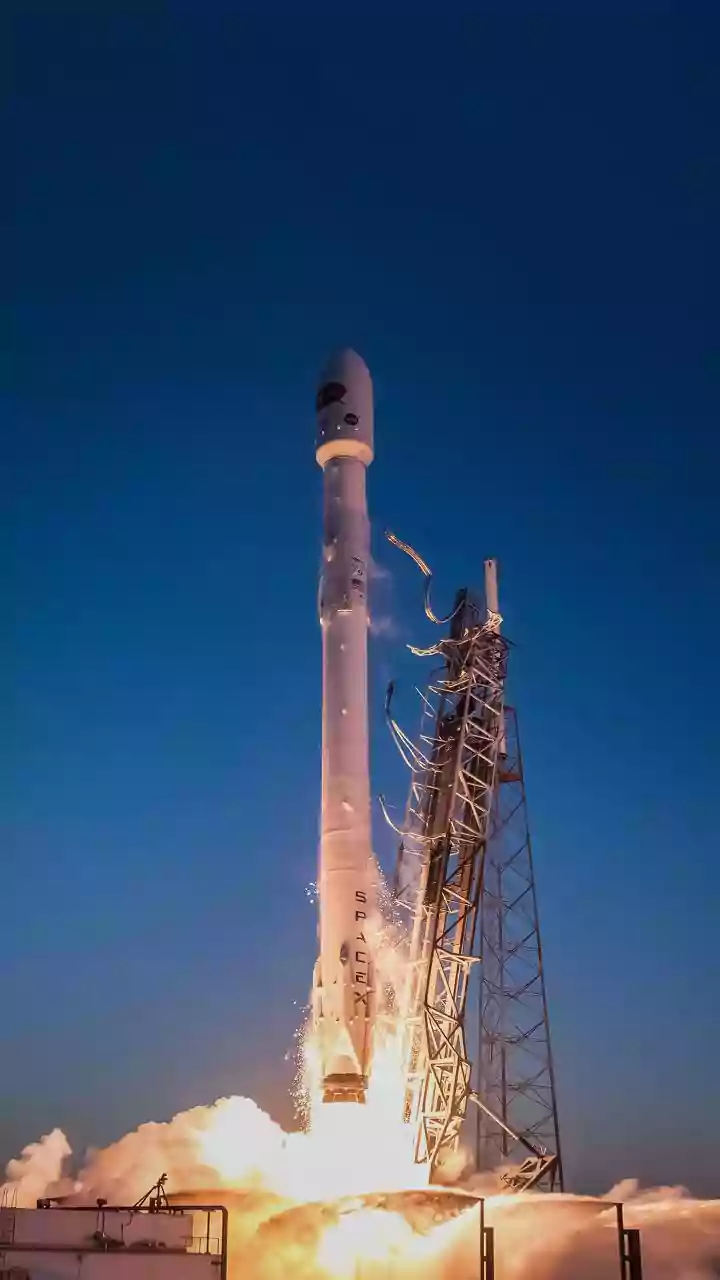
The path to such an immense valuation, however improbable, is paved by SpaceX's most ambitious projects: Starship and Starlink. The Starship rocket is designed to be fully and rapidly reusable, a technological leap intended to dramatically lower the cost of access to space. This could enable not only the colonisation of Mars—a core Musk objective—but also entirely new business models, like ultra-fast, point-to-point travel on Earth and the creation of off-world industries. Starlink, the company’s satellite internet constellation, is already a significant revenue driver, bringing in $4.3 billion in the second quarter of 2026. Analysts see these two segments as the primary drivers of growth that could, if everything goes perfectly, justify an enormous future valuation. The success and commercialization of Starship, in particular, is seen as the key risk and the key to unlocking this potential.
Wall Street's More Grounded View
While Musk looks towards the quadrillions, Wall Street analysts remain focused on the billions and trillions. The company's IPO in June 2026 was one of the largest in history, and its valuation remains a subject of intense debate. Price targets from analysts vary wildly, from skeptical valuations below the IPO price to bullish cases that see significant upside from today's levels. Morgan Stanley, for example, has a base case price target that values the company's core launch, Starlink, and AI divisions separately, seeing significant potential in its enterprise AI services. However, even the most optimistic mainstream targets, sitting around $800 per share, imply a valuation of roughly $11 trillion—a massive figure, yet still less than a tenth of the annual world economy. Many analysts caution that the current stock price already prices in a great deal of future success, leaving little room for error.
A Pattern of Ambitious Goal-Setting
Musk's tendency to set seemingly impossible goals is a well-established part of his public persona and business strategy. He has made similarly grand claims about Tesla's potential in the autonomous driving space. This approach serves to rally employees, attract investment, and dominate the public narrative around his companies. Analysts often treat these statements as 'classic Musk hype and theatre', advising investors to focus on the underlying financial performance and technological milestones rather than the visionary rhetoric. While SpaceX's second-quarter revenue nearly doubled year-over-year to $7.8 billion, it still posted a net loss of over half a billion dollars. The gap between today's financial reality and a quadrillion-dollar valuation remains, by Musk's own admission, vast and uncertain.