






In one of the most dramatic corporate reversals in recent memory, Nvidia co-founder Jensen Huang is back as CEO just 11 days after a sudden resignation. His return, however, is not just a business story; it's a tale of scandal, power, and politics.
The Shock Resignation
On
November 12, the tech world was rocked by the announcement that Jensen Huang, the iconic leader who had steered Nvidia for over three decades, was resigning effective immediately. The departure followed a torrent of damaging reports concerning his personal conduct. Allegations surfaced of extramarital affairs, most notably with a businesswoman U.S. intelligence officials suspected of being a Chinese spy, as well as with at least one subordinate at Nvidia. Amid the unfolding scandal, which raised serious national security questions, Huang stepped down. The company's board appointed Chief Financial Officer Colette Kress as interim CEO and began a search for a permanent successor. The move wiped hundreds of billions of dollars off Nvidia's market value as investors grappled with the instability at the heart of the artificial intelligence boom.
A Company in Crisis
For eleven days, the future of the world's most important chipmaker hung in the balance. Huang's leadership was seen as inextricably linked to Nvidia's identity and its astronomical success. His signature leather jacket and relentless management style were legendary, but his departure left a vacuum. With more than 50 executives reporting directly to him in an unusually flat corporate structure, there was no clear heir apparent. The board, led by newly appointed chairman Harvey C. Jones, initially signaled it had no intention of bringing Huang back, telling investors during an earnings call that they were moving on. The crisis at Nvidia sent ripples through Silicon Valley, with leaders like Tesla's Elon Musk and OpenAI's Sam Altman publicly lamenting the loss of a titan.
An Unprecedented Intervention
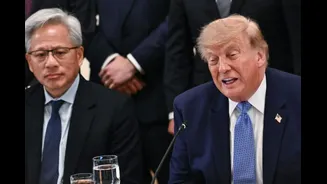
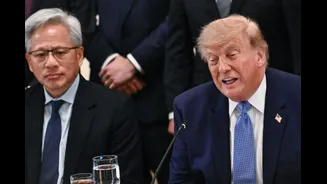
As Nvidia's board deliberated, a powerful new voice entered the fray: President Donald Trump. He began publicly advocating for Huang's return, posting on Truth Social that reinstating the CEO would be 'the best thing for the Company, and also, for the U.S.A.'. The support was not just rhetorical. In a subsequent interview, Trump confirmed he had spoken directly with members of Nvidia's board to push for Huang's reinstatement. Citing the need to 'protect our geniuses', the President argued that Huang's leadership was essential for the American economy and its technological race against China. The direct intervention by a sitting president into the leadership decisions of a publicly traded company was a stunning and controversial move that set the stage for another shocking twist.
The Board's Stunning Reversal
On November 23, Nvidia announced what was, just days earlier, unthinkable: Jensen Huang was reinstated as President and CEO. In a formal statement, the board said its unanimous decision followed discussions with Huang where they were satisfied with his 'candor and ability to lead'. Crucially, the company's announcement revealed the board had 'received input from senior levels of the United States government' and was confident that Huang's return posed 'no national security risk'. This statement directly acknowledged the White House's involvement, confirming the influence of President Trump's advocacy. Huang accepted the reinstatement with 'the greatest humility and renewed commitment', while Kress returned to her role as CFO.
Market Euphoria and Political Fury
The reaction to Huang's return was immediate and sharply divided. Wall Street responded with overwhelming enthusiasm, sending Nvidia's stock soaring over 30% in a single day and boosting Huang's personal net worth by an estimated $34 billion. But in Washington D.C., the move was met with outrage from both sides of the aisle. Corporate governance experts condemned the board's decision, calling it a capitulation to political pressure that undermined its independence. Democrats and some Republicans alike blasted the move as reckless, insisting that Huang and the Trump administration still owed Congress answers about the national security concerns and the nature of the government's 'input'. While the market celebrated the return of Nvidia's visionary, critics warned of a dangerous new precedent for the relationship between political power and corporate America.