







Understanding the Antarctic Travel Season
Antarctica is accessible to tourists only during the Southern Hemisphere's summer, roughly from late October to March. Outside this window, the continent is locked in extreme cold, near-total darkness, and impenetrable sea ice. But the season itself is not
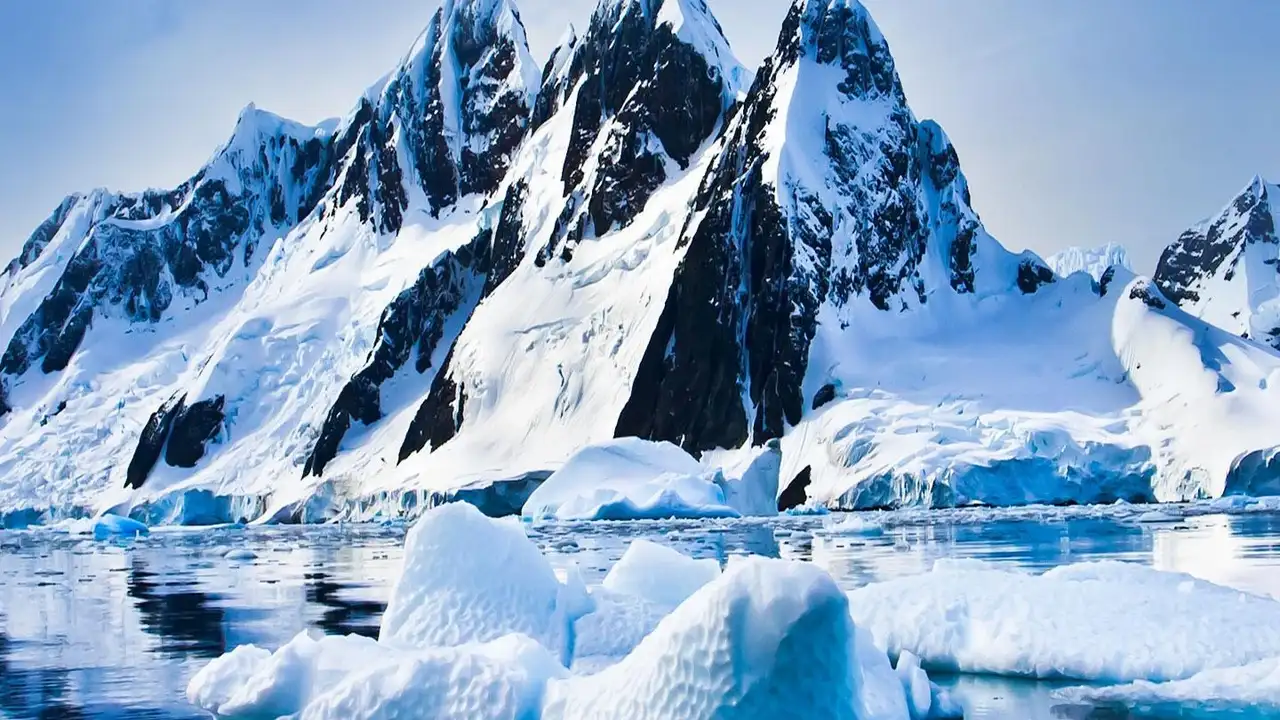
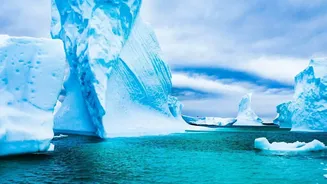
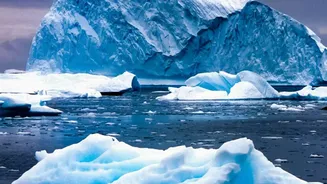
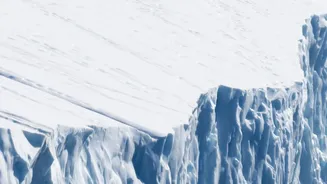
uniform; the month you choose dramatically shapes your experience. Early in the season, from October to November, you’ll find pristine, snow-covered landscapes and dramatic icebergs. This is when penguins engage in their courtship rituals and begin nesting. The peak season, December and January, offers the warmest temperatures and the longest days, with nearly 20 hours of sunlight. This is prime time for seeing penguin chicks hatch. The late season, from February to March, is the best time for whale watching, as krill populations peak and attract humpback, minke, and fin whales. Receding ice also opens up routes to more southerly, remote locations.
The Cruise Fare is Just the Beginning
A common mistake is thinking the price of the cruise is the total cost of the trip. The expedition fare is the largest single expense, but several other significant costs must be factored into your budget. First are the international flights to your departure port. Most Antarctic expeditions leave from Ushuaia, Argentina, or Punta Arenas, Chile. You'll need to book flights to one of their main international airports—Buenos Aires (EZE) or Santiago (SCL)—and then a separate domestic flight to the port city. These flights alone can add thousands to your total. You should also plan for at least one night's accommodation in the port city before and after your cruise, as weather can cause travel delays. Then there is the cost of specialized gear and clothing, plus optional activities like kayaking or camping, which often come at an extra charge.
Mandatory Insurance Is Non-Negotiable
You cannot travel to Antarctica without proper insurance. Due to the continent's extreme remoteness and lack of medical facilities, all expedition operators require passengers to have comprehensive medical and emergency evacuation coverage. There are no hospitals on Antarctica, and a medical emergency can require a complex and incredibly expensive evacuation by ship or air ambulance. Operators typically mandate a minimum of $200,000 to $250,000 USD for medical evacuation coverage. Proof of this insurance is required before you're allowed to board. Furthermore, some departure countries, like Argentina, now require foreign visitors to have health insurance as a condition of entry. Beyond the mandatory coverage, comprehensive travel insurance that includes trip cancellation, interruption, and baggage loss is highly recommended to protect your significant financial investment.
Gearing Up for the Polar Cold
Packing for Antarctica is a technical exercise in layering. While your operator will likely provide a waterproof and windproof outer jacket and boots, you are responsible for everything underneath. This isn't the time to skimp on quality. The key is a three-part layering system: a moisture-wicking base layer (like merino wool or high-performance synthetics), an insulating middle layer (such as a fleece or down jacket), and your waterproof outer layer. You will also need waterproof pants, especially for Zodiac boat excursions where sea spray is common. Essential accessories include high-quality thermal socks, insulated and waterproof gloves, a warm beanie or hat, a neck gaiter or balaclava to protect your face from the wind, and polarized sunglasses with high UV protection to guard against the intense glare off the snow and ice.
Choosing Your Expedition Style
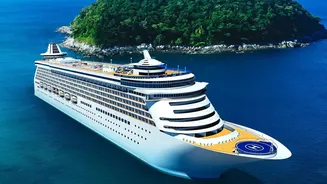
Not all Antarctic trips are the same. A major decision is whether to sail across the famous Drake Passage or fly over it. The traditional cruise from Ushuaia involves a two-day sea crossing each way. While the passage can be rough, many see it as a rite of passage. For those short on time or prone to severe seasickness, 'fly-cruise' options are available. These trips fly you from Punta Arenas, Chile, directly to King George Island in Antarctica in about two hours, where you board your ship. This saves you about four days of sea travel but typically comes at a higher price. The size of the ship also matters. Smaller expedition vessels carry fewer passengers, allowing for more time ashore and a more intimate experience, whereas larger ships might offer more onboard amenities but have stricter limits on landings due to environmental regulations.