



Why Cooked Greens Are a Smart Choice
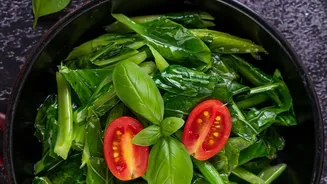
While raw salads have their place, cooking leafy greens like those used in saag can actually make them more nutritious. The cooking process helps break down tough plant cell walls, making it easier for your body to access and absorb valuable nutrients.
For example, cooking spinach reduces its volume, meaning you consume a much larger quantity of leaves—and therefore nutrients—in a single serving compared to eating it raw. Furthermore, cooking can decrease levels of certain anti-nutrients like oxalates found in some greens. These compounds can bind to minerals like calcium and iron, making them less available to your body. By gently cooking the greens, we unlock more of their mineral potential.
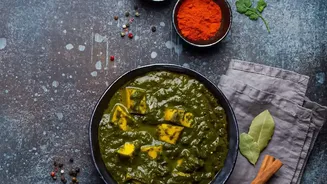
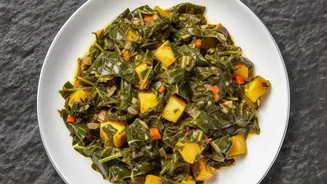
Sarson Ka Saag: The Punjabi Powerhouse
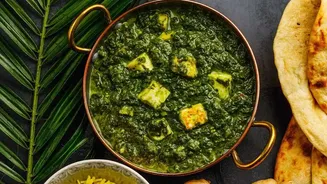
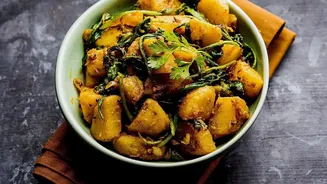
The undisputed king of winter meals, Sarson Ka Saag is traditionally made from mustard greens. These leaves are exceptionally rich in minerals. A 100-gram serving of raw mustard greens contains a significant amount of calcium (around 102-115mg), which is crucial for bone health. They are also a good source of potassium, which helps regulate blood pressure, and iron. What makes mustard greens a standout is that they have lower levels of oxalates compared to spinach, which means the calcium they provide may be more readily absorbed by the body. Their high fibre content also aids digestion, making this dish both hearty and healthy.
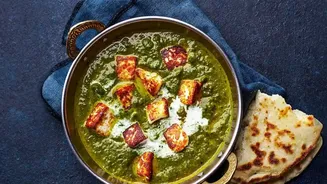
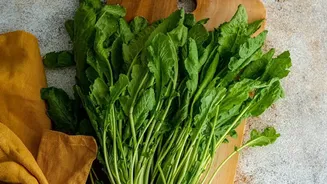
Palak Saag: Navigating the Nutrients
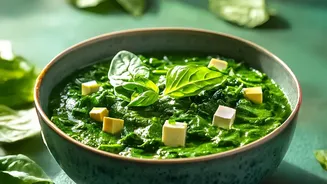
Palak, or spinach, is famously associated with iron, and while it does contain this vital mineral, there's a catch. Spinach is high in oxalic acid, a compound that can hinder the absorption of both iron and calcium. However, cooking helps to reduce some of these oxalates. Even better, the traditional Indian way of preparing saag often includes ingredients rich in Vitamin C, like tomatoes or a squeeze of lemon. Vitamin C dramatically enhances the body's ability to absorb plant-based (non-heme) iron. So, while the iron in spinach isn't as bioavailable on its own, our cooking methods cleverly solve this problem. Beyond iron, spinach is an excellent source of magnesium and potassium.
Methi and Bathua: The Unsung Mineral Heroes
Often mixed with other greens or cooked on their own, Methi (fenugreek) and Bathua (chenopodium album) are nutritional giants. Methi leaves are particularly noteworthy for their high calcium content, with some data suggesting up to 395 mg per 100g serving, making them fantastic for bone density. They are also a good source of iron and potassium, and are traditionally used to help manage blood sugar levels and inflammation. Bathua is another winter gem, prized in traditional diets. It is an excellent source of minerals like calcium, potassium, phosphorus, and iron. Its high fibre content also promotes good digestive health. Combining these greens offers a broader spectrum of minerals in one delicious dish.
Maximising Mineral Absorption From Your Saag
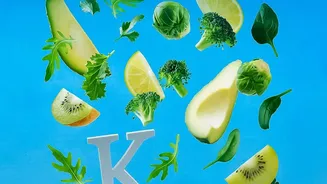
How you prepare and eat your saag can make a big difference in how many minerals you absorb. The tradition of adding a dollop of ghee or butter is not just for flavour; it is scientifically sound. Many vitamins in leafy greens, like A and K, are fat-soluble, meaning they need fat to be absorbed properly by the body. Similarly, as mentioned, pairing your saag with a source of Vitamin C is crucial for iron absorption. A simple squeeze of lemon juice, or including tomatoes or amla in the recipe, can significantly boost the iron your body gets. Finally, try not to overcook the greens to a dull olive colour, as this can degrade some heat-sensitive vitamins, and use the water the greens were cooked in as it contains leached nutrients.