


Beyond the Flame Towers
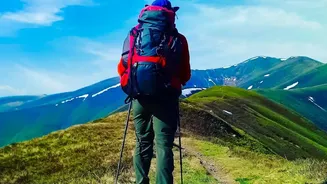
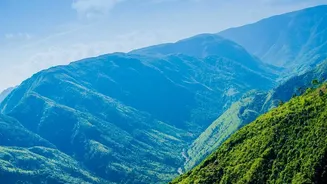
While Azerbaijan’s futuristic capital, Baku, captures global attention, the true soul of the 'Land of Fire' is found in its highlands. A few hours' drive from the Caspian coast, the scenery transforms into the dramatic peaks and deep valleys of the Greater
Caucasus. This is a region where tourism is quietly booming, not in sprawling resorts, but along historic footpaths connecting villages that have preserved their traditions for centuries. These routes offer hikers an opportunity to step into a world far removed from modern life, where hospitality is paramount and the landscapes are the main event.
Guba and the Highland Villages
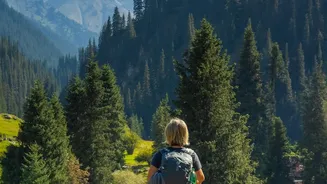
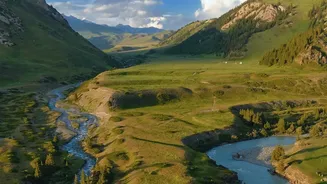
The Guba region in the country's northeast is a primary gateway to some of the most spectacular hiking. It is home to Khinalig, one of the highest and oldest continuously inhabited villages in the Caucasus. Sitting at over 2,200 metres, Khinalig serves as a base for treks that wind through subalpine meadows and offer staggering views of the surrounding massifs. Trails connect Khinalig to other remote villages like Griz and Galakhudat, following shepherd paths and ancient routes. These hikes range from gentle walks suitable for beginners to more demanding multi-day treks. The journey here is as much about culture as it is about climbing; the people of Khinalig have their own unique language and a history stretching back 5,000 years.
Lahij and its Artisan Heart
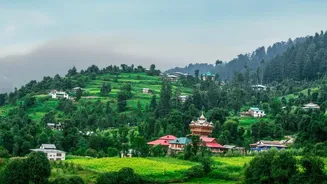
Further west, in the Ismayilli region, lies the historic village of Lahij. Famous for its cobbled streets and centuries-old copper craftsmanship, Lahij is nestled in a valley and surrounded by lush, forested mountains. The hiking trails here offer a different flavour, leading adventurers through dense forests, past waterfalls, and into smaller, hidden settlements inhabited by the Tat people. Routes like the one from Muju village to Lahij present a challenging but rewarding experience, ascending to 2,000 metres before descending into the artisan town. The trails around Lahij provide a perfect blend of natural immersion and cultural discovery, often ending with a cup of tea in a village renowned for its living history.
The Transcaucasian Trail Initiative
Giving structure to this emerging hiking scene is the Transcaucasian Trail (TCT), an ambitious long-distance trail network aiming to connect Georgia, Armenia, and Azerbaijan. The Azerbaijani sections are actively under development, with work being done to mark and improve historic paths. The TCT guides hikers through some of the most remote and beautiful parts of the Guba, Sheki, and Gakh regions. While some sections are well-marked with yellow signposts, others remain rugged and require GPS navigation, appealing to seasoned trekkers looking for a true backcountry experience. This initiative is helping to put Azerbaijan on the global hiking map, formalising routes that have been used by shepherds and traders for centuries.
Planning Your Journey
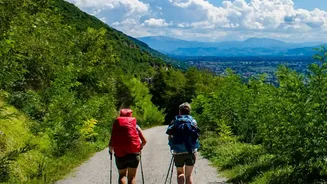
The best time for hiking in Azerbaijan's highlands is generally from June to September, when the high-altitude passes are clear of snow and the weather is favourable. The shoulder months of May and October can also be excellent, offering lush spring wildflowers or vibrant autumn foliage, respectively. While some easy trails are suitable for independent hikers, many of the more remote routes benefit from the knowledge of a local guide who can navigate, bridge language gaps, and provide cultural context. Accommodation is often in family-run guesthouses, which offer an authentic and welcoming experience. For many of these quiet routes, being prepared for variable weather and challenging terrain is key to a successful trip.